Global Aluminum Hydroxide (CAS No. 21645-51-2) Market Insights and Industry Trends: New Energy Growth and Environmental Policies Reshape Market Demand
1. Global Supply and Demand Trends: Rising Flame Retardant Demand and Feedstock Price Volatility
In 2023, the global aluminum hydroxide market has been shaped by increasing demand across key industries alongside rising production costs. As one of the primary raw materials used in inorganic flame retardants, aluminum hydroxide is highly influenced by fluctuations in bauxite supply as well as policy developments in the new energy and construction sectors.
Bauxite Supply Challenges
Global bauxite prices have risen by approximately 12% following political uncertainty in Guinea and Indonesia's bauxite export ban, which took effect in June 2023. According to CRU, these supply disruptions have increased aluminum hydroxide production costs by approximately 8–10% year over year.
Growing Demand for Flame Retardants
The revised EU Construction Products Regulation (CPR 2023) has introduced stricter fire safety requirements for building materials, resulting in an estimated 18% increase in European demand for aluminum hydroxide-based flame retardants. At the same time, China's updated New Energy Vehicle Battery Safety Standards are driving higher demand for flame-retardant coatings used in lithium battery packs. Domestic aluminum hydroxide consumption is expected to exceed 1.2 million tons in 2023, according to the China Flame Retardant Materials Association.
2. Production Landscape: China's Market Leadership and the Transition to Green Manufacturing
China continues to lead global aluminum hydroxide production, accounting for approximately 62% of worldwide manufacturing capacity, supported by abundant bauxite resources and well-established supply chains. At the same time, producers are adapting to increasingly stringent environmental regulations.
Capacity Expansion and Industry Consolidation
In 2023, Aluminum Corporation of China (Chalco) commissioned a new low-sodium aluminum hydroxide facility in Guangxi with an annual production capacity of 500,000 tons, targeting high-end flame retardant and electronic material applications. Meanwhile, environmental compliance requirements led to the closure of approximately 300,000 tons of production capacity among smaller manufacturers in Shandong Province.
Advances in Sustainable Manufacturing
Germany's Nabaltec and Norway's Hydro have jointly developed a low-carbon aluminum hydroxide production process that combines renewable energy with carbon capture technology. Compared with conventional manufacturing methods, the new process is reported to reduce carbon emissions by approximately 70% and has attracted procurement interest from companies such as BMW and BASF.
3. Expanding Applications in High-Value Industries
With its environmentally friendly characteristics, aluminum hydroxide is finding broader applications beyond conventional flame retardants, particularly in several fast-growing industries.
Lithium Battery Safety Materials
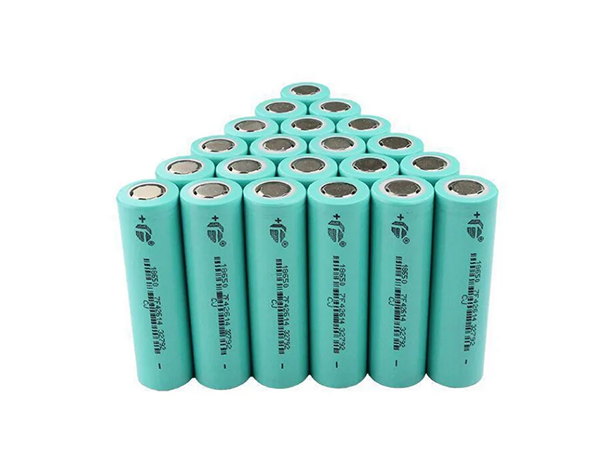
In September 2023, CATL introduced a patented aluminum hydroxide-ceramic composite separator designed to improve the thermal stability of lithium batteries. This innovation has increased demand for high-purity aluminum hydroxide with iron content below 50 ppm, which currently commands a price premium of approximately 40% over industrial-grade material.
Electronic Fillers for 5G Technologies
Denka of Japan has developed low-dielectric-loss aluminum hydroxide fillers for printed circuit board (PCB) substrates used in 5G base stations. According to Grand View Research, the global market for electronic-grade aluminum hydroxide is expected to reach approximately USD 870 million in 2023.

Pharmaceutical and Environmental Applications
Following FDA approval of aluminum hydroxide as a novel antacid carrier, imports of pharmaceutical-grade aluminum hydroxide into the United States increased by approximately 15% year over year. In addition, aluminum hydroxide gel adsorbents continue to gain popularity in wastewater treatment and now account for roughly 22% of the European market for heavy metal removal.
- Previous : Global Sodium Dodecyl Sulfate (SDS, CAS No. 151-21-3) Market Trends and Industry Developments: Biotechnology Demand and Sustainability Regulations Reshaping Supply Chains
- Next : World’s First Food-Grade Eco-Glycerin Reaches Commercial Production and Gains Full EFSA Certification, Driving Sustainable Innovation Across FMCG and Food Packaging Sectors