Global Sodium Dodecyl Sulfate (SDS, CAS No. 151-21-3) Market Trends and Industry Developments: Biotechnology Demand and Sustainability Regulations Reshaping Supply Chains
1. Global Supply and Demand Trends: Feedstock Volatility and Expanding Biotechnology Demand
In 2023, the global sodium dodecyl sulfate (SDS) market has been influenced by two major factors: fluctuating prices of lauryl alcohol, its primary raw material, and rapidly growing demand from the pharmaceutical and biotechnology industries.
Feedstock Supply Challenges
Lauryl alcohol prices continue to fluctuate due to limited supplies of coconut and palm kernel oil. Reduced exports from Indonesia, which declined by approximately 15% year over year during the third quarter, together with extreme weather conditions across Southeast Asia, have tightened raw material availability. According to ICIS, these factors have increased SDS production costs by approximately 8–12%.
Growing Demand from the Biotechnology Sector
As an essential reagent in the manufacturing of vaccines and mRNA therapeutics, SDS has experienced strong demand from the pharmaceutical industry. Increased biologics production in the United States, Europe, and India has contributed to an 18% year-over-year increase in global demand for pharmaceutical-grade SDS.
2. Production Landscape: China's Leading Position and the Shift Toward Green Manufacturing
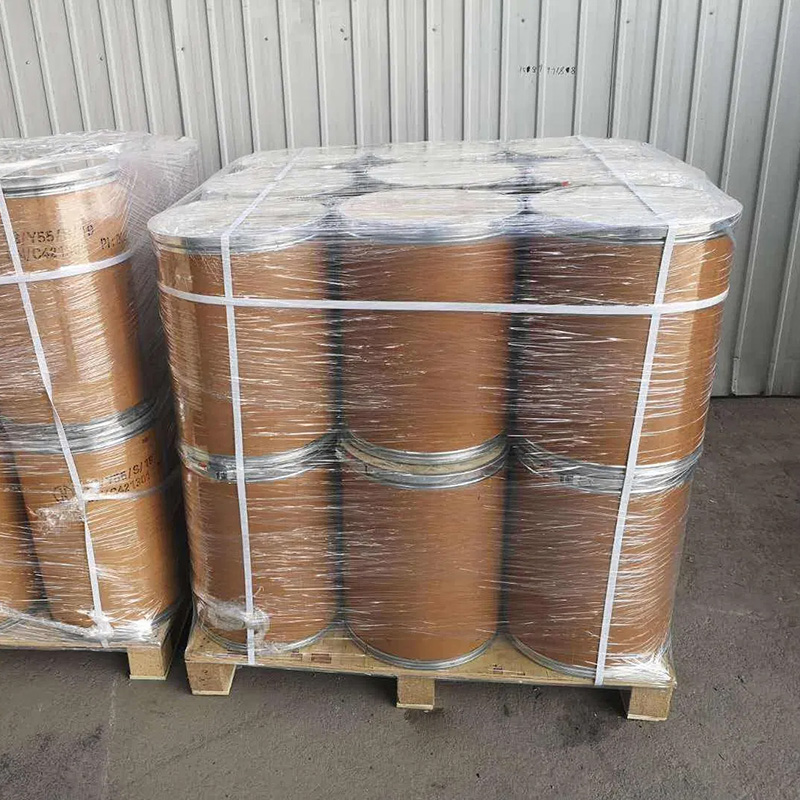
China continues to be the world's largest producer of SDS, contributing approximately 55% of global production. At the same time, manufacturers are adapting to stricter environmental regulations while facing increasing competition from India.
Capacity Expansion
In 2023, Shandong-based Kao Chemical and Zhejiang Zanyu Technology expanded their production capacity by a combined 120,000 tons per year of high-purity SDS, primarily serving the pharmaceutical and electronics industries.
Advances in Green Manufacturing
Manufacturers in Europe and the United States, including Stepan Company and Clariant, are increasingly adopting enzymatic catalytic processes to reduce sulfur trioxide consumption during production. These technologies support compliance with environmental requirements established by REACH and the U.S. Environmental Protection Agency (EPA).
3. Expanding Applications Beyond Traditional Detergents
While SDS remains a key ingredient in detergent formulations, its applications continue to expand into several emerging industries, driven by technological innovation and sustainability initiatives.
Pharmaceutical Applications
The U.S. FDA's 2023 guidance on excipient quality for mRNA vaccines introduced more stringent purity requirements for SDS, with pharmaceutical-grade material expected to achieve purity levels above 99.9%. As a result, prices for pharmaceutical-grade SDS have increased by approximately 20%.
Lithium-Ion Battery Manufacturing
SDS is gaining importance as a dispersing agent in the production of lithium-ion battery anodes. Major Chinese battery manufacturers, including CATL and BYD, increased their SDS procurement volumes by approximately 30% year over year, reflecting growing demand from the new energy sector.