Polysorbate 80 Market Expands at a 4.7%-5.0% CAGR, Fueling Innovation in Pharma, Food & Cosmetics
Executive Summary
Polysorbate 80, a versatile nonionic surfactant, has become an essential ingredient in a range of highly regulated industries, and its global market continues to expand steadily. Two major market research reports illustrate this growth trend. Verified Market Research estimates the global market at USD 14.21 billion in 2024 and projects it to reach USD 20.52 billion by 2032, representing a CAGR of 4.7%. Meanwhile, QYResearch estimates the 2024 market size at USD 13 million and forecasts it to reach USD 18 million by 2031 at a CAGR of 5.0%. The differences between these estimates are likely attributable to variations in statistical scope and market definitions.
Market expansion is primarily driven by increasing demand from pharmaceuticals, where polysorbate 80 is used as a vaccine stabilizer and drug solubilizer; food processing, where it functions as an emulsifier; and cosmetics, where it helps stabilize formulations. At the same time, increasingly stringent regulatory requirements and the industry's shift toward greener production methods are influencing market development. Leading companies such as Croda, KAO, and SEPPIC are continuously improving their formulations to address both performance requirements and sustainability goals.
1. Market Overview: Growth Drivers and Regional Dynamics
The strong growth of the polysorbate 80 market is largely supported by its essential role in high-value industries. In 2024, global production reached approximately 4,271 tons, while the average market price was around USD 3,009 per ton, highlighting its position as a high-value specialty ingredient.
The pharmaceutical industry represents one of the major sources of demand. Polysorbate 80 is widely used as a critical excipient in injectable formulations, ointments, and vaccines, where it helps stabilize proteins and minimize aggregation. The food and beverage industry is another important growth contributor, supported by increasing consumption of processed foods and beverages in emerging markets. In these applications, polysorbate 80 helps improve texture and extend product shelf life.
From a regional perspective, North America and Europe remain leading markets, supported by stringent regulatory frameworks and strong demand for high-purity grades. Asia Pacific is experiencing the fastest growth, largely due to the continued expansion of pharmaceutical manufacturing in China and India. Latin America, along with the Middle East and Africa, is also contributing to market growth as demand for cosmetic- and food-grade products continues to increase.
2. Core Applications: From Life-Saving Vaccines to Daily Essentials
Polysorbate 80 offers distinctive emulsifying, solubilizing, and stabilizing properties, making it an important ingredient across three major application sectors:
Pharmaceuticals: Polysorbate 80 is used to solubilize water-insoluble substances, including lipid-soluble vitamins and hormones, and to stabilize vaccines. For example, influenza vaccines used in the United States, Europe, and Canada contain approximately 2.5 μg per dose. It can also promote drug absorption in oral formulations and serve as a component of growth media used for Mycobacterium tuberculosis testing.
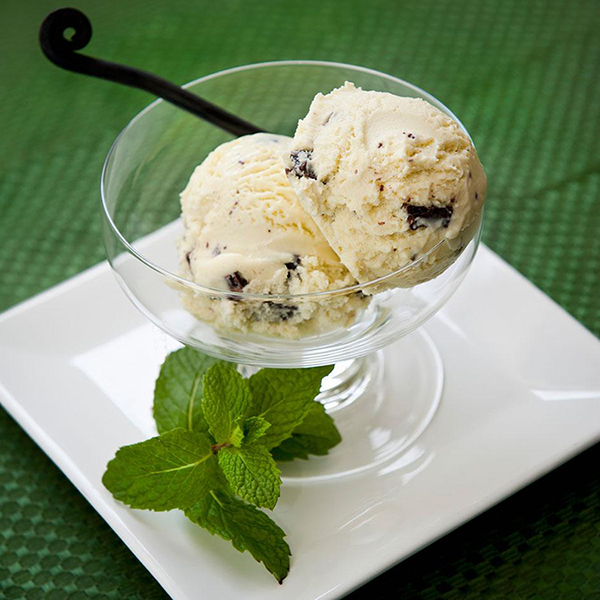
Food Industry: In ice cream, polysorbate 80 helps prevent ice crystal formation and improves resistance to melting at concentrations of up to 0.5% (v/v). It also improves batter stability in baked products, reduces fat separation in plant-based beverages, and helps maintain uniformity in sauces. Its use remains subject to applicable food regulations, such as China's GB 2760-2024 standard, which limits its use in ice cream to 1.5 g/kg.
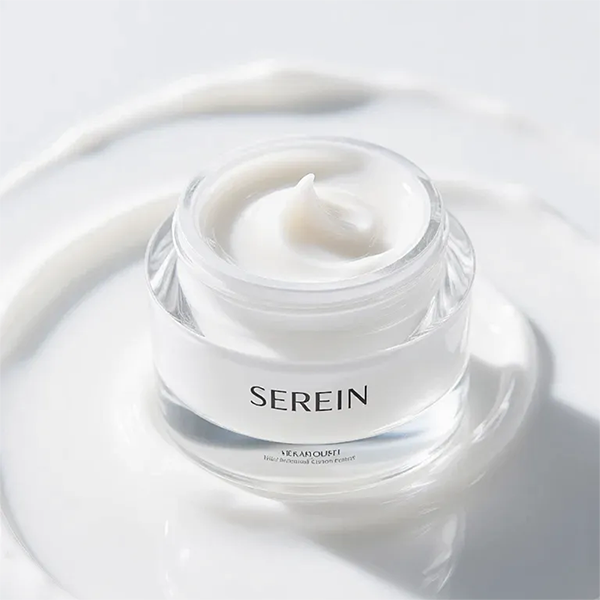
Cosmetics & Personal Care: As an emulsifier, polysorbate 80 helps stabilize creams and lotions while also improving foam stability in shampoos and shower gels. It is additionally used as a lubricant in eye drops. However, cosmetic-grade polysorbate 80 may be subject to higher impurity limits than pharmaceutical- or food-grade products.
Beyond these major sectors, polysorbate 80 also has industrial applications, including heavy-oil emulsification in oilfield operations and use as an antistatic agent in textile processing, further broadening its demand base.
3. Regulatory Landscape: Ensuring Purity and Safety
Polysorbate 80 production and applications are subject to strict regulatory requirements worldwide, particularly when the material is intended for pharmaceutical and food applications.
In China, the Pharmacopoeia establishes rigorous quality specifications for polysorbate 80. These include a pH range of 5.0–7.5, an ethylene oxide content of no more than 0.0001%, dioxane content of no more than 0.001%, heavy metals at no more than 10 ppm, and bacterial endotoxins below 0.012 EU per mg. The U.S. FDA permits polysorbate 80 for use as a food additive and pharmaceutical excipient, while the EU REACH framework requires comprehensive registration and safety assessments for applicable imports.
For food applications, regulations are generally aligned with Codex Alimentarius standards, although permitted concentrations may vary by region. These requirements are designed to ensure consumer safety while encouraging manufacturers to strengthen precision production, testing, and quality-control systems.
4. Technological Trends and Competitive Landscape
The polysorbate 80 market is increasingly focused on improving both sustainability and product performance. Several important trends are shaping the industry's development:
Green Formulations: Manufacturers are exploring bio-based polysorbate 80 produced from renewable feedstocks to enhance biodegradability and reduce environmental impact. This development reflects growing consumer expectations and regulatory pressure for more sustainable ingredients.
Process Innovation: Continuous production technologies are gradually replacing conventional batch-processing methods. These approaches are designed to improve production efficiency, reduce energy consumption, and deliver greater product consistency.