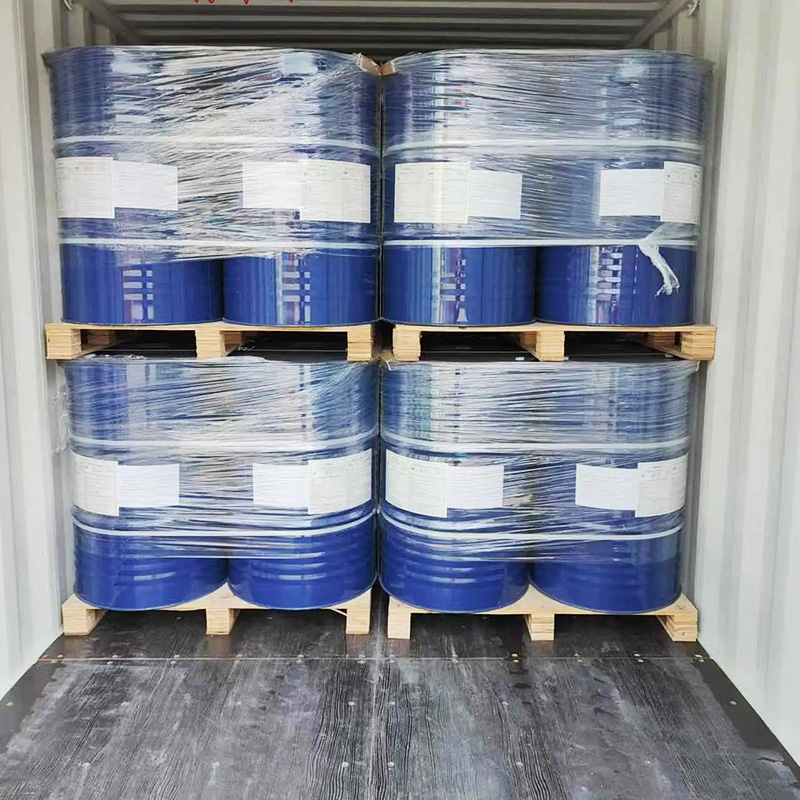
Poloxamer (PEO-PPO Block Copolymer) CAS#9003-11-6
Excellent Physical Appearance and Handling Properties: Polyethylene-polypropylene glycol is available in white, waxy, free-flowing prilled granules or cast solid forms, providing convenient handling and processing characteristics.
Low Odor and Taste Characteristics: It is practically odorless and tasteless, making it suitable for applications where sensory neutrality is important.
Versatile Physical Forms: Polyethylene-polypropylene glycol can exist in different forms, including solid granules and cast solids, offering flexibility for various application requirements.
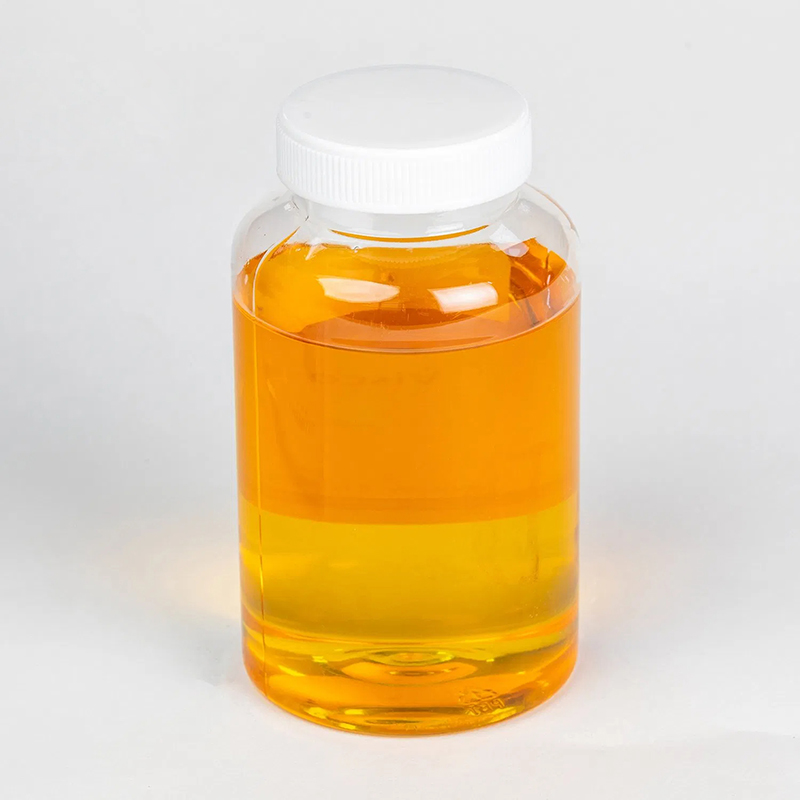
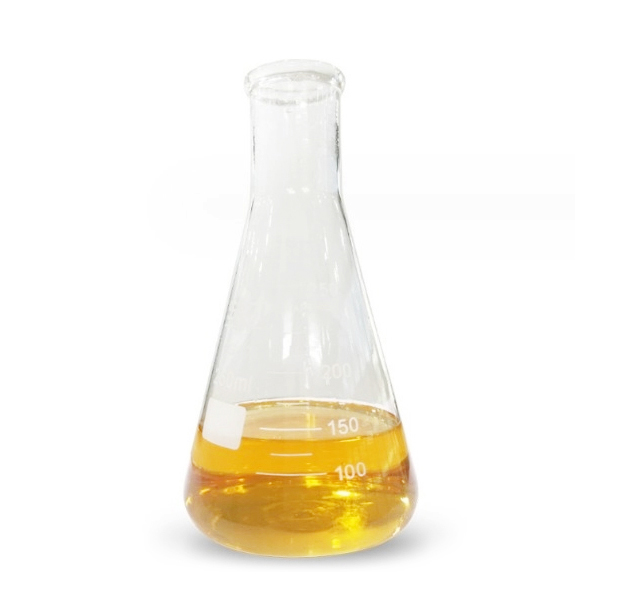
Stable Liquid Form of Poloxamer 124: At room temperature, Poloxamer 124 presents as a colorless liquid, providing unique handling advantages for liquid formulation applications.
Product Description of Polyether Polyol CAS#9003-11-6
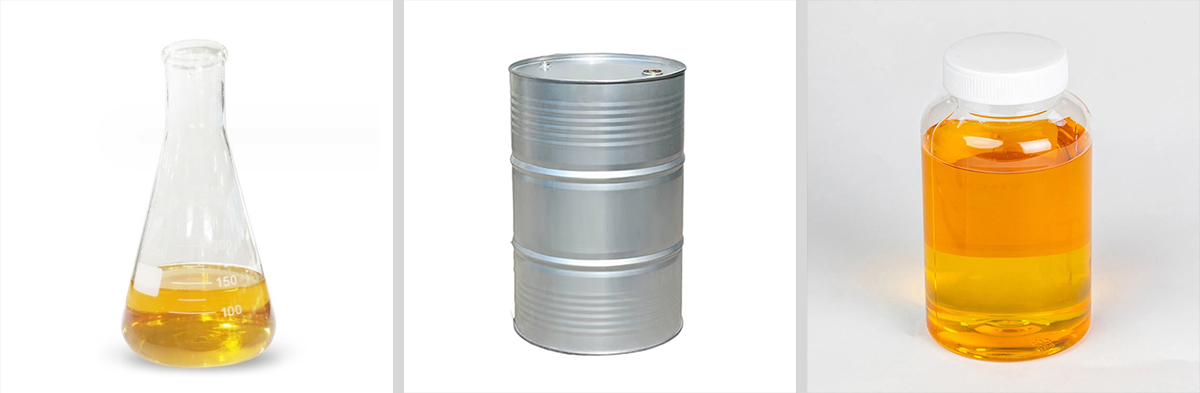
Polyethylene-polypropylene glycol typically appears as white, waxy, free-flowing prilled granules or cast solid materials. It is virtually odorless and tasteless. At room temperature, Poloxamer 124 exists as a colorless liquid.
Polyethylene-polypropylene glycol Chemical Properties
| Melting point | 57-61 °C |
| Boiling point | >200 °C(lit.) |
| bulk density | 1050kg/m3 |
| density | 1.095 g/mL at 25 °C |
| vapor density | >1 (vs air) |
| vapor pressure | <0.3 mm Hg ( 20 °C) |
| refractive index | n20/D 1.466 |
| Fp | >230 °F |
| storage temp. | 2-8°C |
| solubility | H2O: at <70 °Csoluble |
| form | solution |
| color | APHA: ≤120, 50/50 in CH3OH |
| PH | 5.0-7.5 (100g/L in H2O) |
| PH Range | 5.0 - 7.5 |
| biological source | synthetic |
| Water Solubility | Miscible with water. |
| λmax | λ: 260 nm Amax: ≤0.3 |
| λ: 280 nm Amax: ≤0..2 | |
| Merck | 137644 |
| Hydrophilic-Lipophilic Balance (HLB) | 18 - 23 |
| Cosmetics Ingredients Functions | SURFACTANT - CLEANSING |
| SURFACTANT - HYDROTROPE | |
| CLEANSING | |
| SOLVENT | |
| HUMECTANT | |
| EMULSION STABILISING | |
| BINDING | |
| SURFACTANT - EMULSIFYING | |
| VISCOSITY CONTROLLING | |
| InChI | 1S/C3H6O.C2H4O/c1-3-2-4-3;1-2-3-1/h3H,2H2,1H3;1-2H2 |
| InChIKey | RVGRUAULSDPKGF-UHFFFAOYSA-N |
| SMILES | O2C(C2)C.O1CC1 |
| LogP | -1.293 (est) |
| EPA Substance Registry System | Poloxalene (9003-11-6) |
| Hazard Codes | T |
| Risk Statements | 21-23/24/25-25-36/37/38 |
| Safety Statements | 23-24/25-45-36/37/39-26 |
| WGK Germany | 3 |
| RTECS | TP6164333 |
| TSCA | TSCA listed |
| HS Code | 39059100 |
| Storage Class | 11 - Combustible Solids |
| Hazardous Substances Data | 9003-11-6(Hazardous Substances Data) |
| Toxicity | LD50 oral in rabbit: 35gm/kg |
Product Application of Polyether Polyol CAS#9003-11-6
1. General-Purpose Flexible Foam Polyether Polyol
Featuring low viscosity, stable foaming performance, and excellent flame-retardant core properties, this type of polyether polyol is specially designed for block-shaped flexible foam products, such as furniture cushions and mattresses. The resulting foam materials have uniform cell structures and provide a comfortable feel.
2. High-Resilience Flexible Foam Polyether Polyol
With high hydroxyl content, fast curing performance, ultra-low odor, and low VOC characteristics, this polyether polyol is suitable for cold molding applications, including automotive seats, steering wheels, and microcellular elastomers. It delivers excellent resilience, strong support, and improved resistance to compression set.
3. Polymer Polyols
Through styrene-acrylonitrile graft modification, polymer polyols significantly improve load-bearing capacity, tensile strength, and tear resistance. They help achieve an ideal balance between high load support and good processing performance in both high-resilience and conventional flexible foam applications.