World’s First Food-Grade Eco-Glycerin Reaches Commercial Production and Gains Full EFSA Certification, Driving Sustainable Innovation Across FMCG and Food Packaging Sectors
News Body
At a critical stage in the global fast-moving consumer goods (FMCG) industry’s transition toward sustainability, a major breakthrough in glycerin production has officially moved into the industrialization phase. A high-purity eco-glycerin that has received full certification from the European Food Safety Authority (EFSA) for food-contact materials has now entered large-scale production. The product not only represents technological innovation through low-temperature and low-carbon manufacturing processes but has also successfully passed rigorous sustainability assessments. It is expected to deliver a high-performance, environmentally friendly core raw material solution for a wide range of applications, including personal care, food packaging, and pharmaceutical industries.
1. Technical Milestones: Low-Temperature Transesterification and Advanced Purification Technologies
The successful commercialization of this product is based on two key patented technologies:
Low-Temperature Transesterification and Purification Process
Innovative Patented Technology:
By applying proprietary low-temperature catalytic technology, the process maintains the critical reaction temperature at ≤50°C. Compared with conventional high-temperature and high-pressure production methods, this approach reduces overall energy consumption by more than 50%, significantly improving production efficiency and sustainability.

Exceptional Purity Control:
Through the integration of multi-stage molecular distillation and ion exchange technologies, the concentration of the key risk substance glycidyl esters is consistently maintained at ≤5 ppm (Test Method: GC-MS). This level is significantly stricter than the limits specified in European regulations and pharmacopoeia standards, enabling the product to meet the demanding requirements of food and pharmaceutical applications.
Dynamic Crystallization Separation Technology
This advanced technology enables highly efficient separation of specific components in glycerin derived from different sources, ensuring excellent consistency between production batches. It provides a reliable foundation for the development of stable, high-quality, and advanced downstream formulations.
3. Industry Impact: Enhanced Performance and Improved Cost Efficiency
Third-party testing results demonstrate that this eco-glycerin outperforms conventional glycerin and commonly used humectants such as propylene glycol in several important application areas:
Moisture Retention Performance:
At 30% relative humidity, the moisture-retaining efficiency of this eco-glycerin is approximately 15% higher than that of traditional glycerin, helping formulations achieve longer-lasting hydration effects.
Excellent Compatibility:
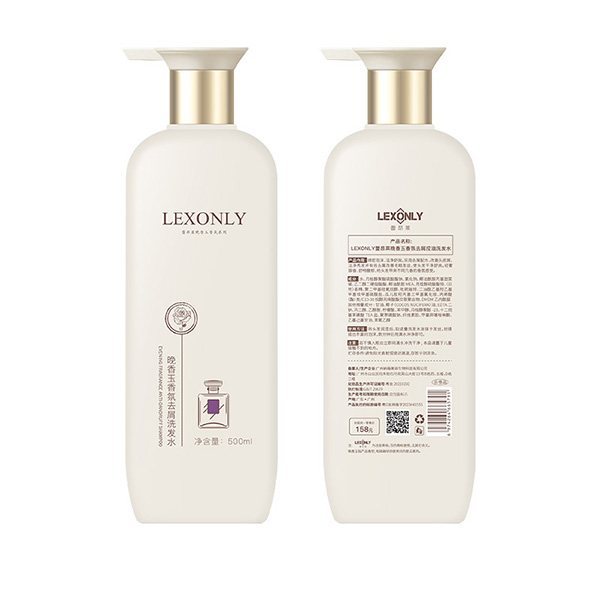
The product shows outstanding compatibility with anionic and amphoteric surfactants, including SLES and betaine. Even in high-salt formulations, it maintains excellent clarity and transparency, effectively addressing the cloudiness problems commonly associated with traditional glycerin in high-active systems.
Advantages for Downstream Applications:
In shampoo and hand wash formulations, its high purity and excellent stability allow for a reduction of humectant usage by approximately 10–15%, while also reducing or eliminating the need for certain chelating agents. This optimization is expected to lower formulation costs by approximately USD 150–200 per ton of finished product.
- Previous : Global Aluminum Hydroxide (CAS No. 21645-51-2) Market Insights and Industry Trends: New Energy Growth and Environmental Policies Reshape Market Demand
- Next : Groundbreaking Low-Carbon Eco-Ethylene Glycol Reaches Commercial Production with Complete REACH Certification, Enabling Sustainability Advancements Across Polyester and Automotive Antifreeze Industries