Green and Safety Upgrades Reshape ADC Foaming Agent Industry: High-Stability Low-VOC Solutions Gain EU REACH Approval and Enhance Standards Across Polymer and Food Industries
Amid increasingly strict safety and environmental regulations in the polymer foaming and food additive sectors, the Azodicarbonamide (ADC) industry is undergoing a significant transformation. Recently, a high-stability, low-Volatile Organic Compound (VOC) ADC product manufactured through closed-loop synthesis and microencapsulation technologies has entered commercial-scale production. With its key impurity, biurea, controlled below 50 ppm, the product has successfully completed full registration under the EU REACH regulation. This development provides a safer and more controllable solution for polymer foaming applications such as PVC and EVA, while also supporting food-related applications in regions where ADC remains approved as a flour treatment agent (E927a).
1. Technological Breakthrough:
Microencapsulation Stabilization and Advanced Impurity Management
The successful commercialization of this next-generation ADC technology addresses the major challenges associated with conventional ADC products, particularly storage stability and precise decomposition control.
Microencapsulation Passivation and Stabilization Technology
Advanced Coating Technology:
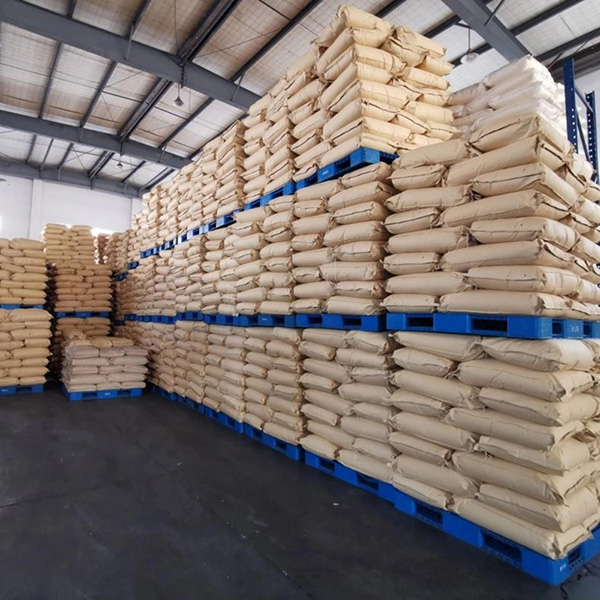
A patented process creates a uniform inorganic-organic composite protective layer on the surface of ADC particles. This coating effectively isolates moisture and acidic environments under normal storage conditions, reducing activity loss by more than 80% under demanding storage conditions and ensuring product stability during long-distance transportation and prolonged storage.
Controlled Decomposition Performance:
The protective coating rapidly breaks down at polymer processing temperatures of 160–200°C, allowing ADC to maintain its normal decomposition behavior and gas release efficiency. At the same time, it reduces the total VOC emissions generated during decomposition, including ammonia and aldehydes, by approximately 40%.
Closed-Loop Production and Ultra-Purification Technology
Through a closed-loop material circulation design applied during hydrazine synthesis and oxidation processes, ammonia nitrogen levels in production wastewater are reduced by 90%. Further purification steps, including multi-stage hydrocyclone separation and washing technologies, maintain the concentration of the primary by-product biurea at ≤50 ppm and heavy metals (calculated as Pb) at ≤5 ppm in the final product, allowing it to meet food additive-grade purity requirements.
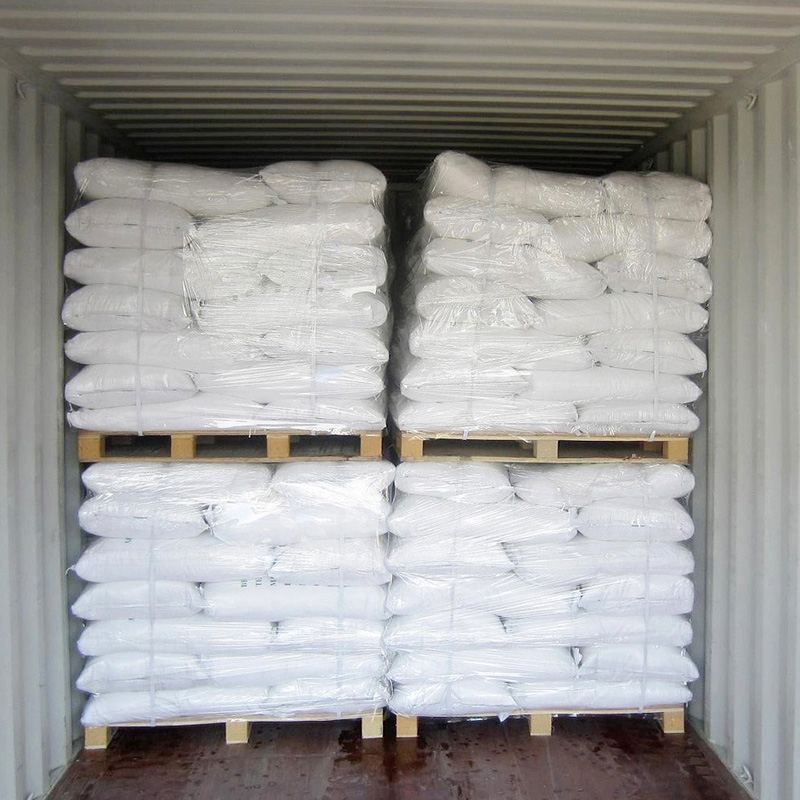
2. Regulatory Compliance and Safety Certification: Addressing Global Market Differences
Due to significant differences in ADC regulations across global markets, the development of this new product provides manufacturers and downstream users with a more reliable pathway toward regulatory compliance and safer application.
| Region/Field | Regulatory Status | This Product's Market Positioning & Certification |
| EU (REACH) | Listed as a Respiratory Sensitizer (Category 1B) on the Authorisation List, requiring an application for use. | Completed full REACH registration, providing a Safety Data Sheet including exposure scenarios to support downstream users' compliance applications. |
| USA (FDA) | Permitted as a flour bleaching and dough conditioning agent (limit: 45 ppm). | Supplies food-grade product compliant with FDA 21 CFR §172.806, with full traceability documentation. |
| China & Other Markets | Widely used as a plastic and rubber foaming agent; banned as a food additive. | Focuses on industrial-grade low-VOC products compliant with the premium grade standard of GB/T 21888-2008. |
- Previous : Breaking Through Structural Overcapacity Challenges: Multi-Variety Alumina CAS#1344-28-1 Expands High-End Production Capacity and Earns Recognition from Top Battery Separator and Sapphire Companies
- Next : Daily Chemical, Food, and Pharmaceutical Markets Maintain Steady Demand Amid the Shift Toward Sustainable Raw Materials