
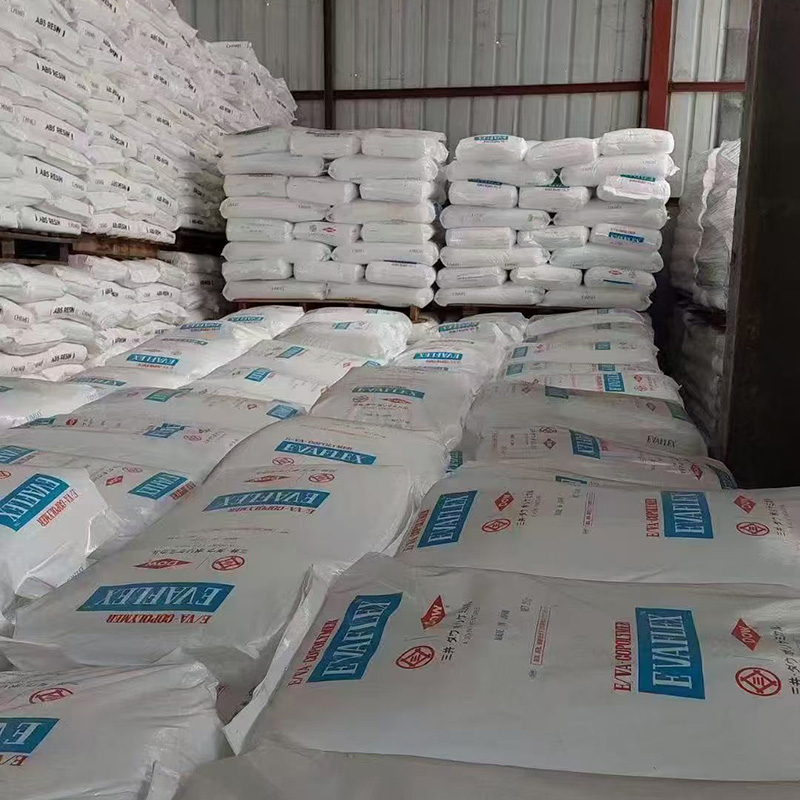
Ethylene‑Vinyl‑Acetate(EVA) CAS#24937-78-8
Excellent Flexibility and Elasticity – EVA offers good flexibility and high elasticity, making it suitable for a wide range of plastic and rubber applications.
Strong Mechanical Resistance – It features excellent impact resistance, stress crack resistance, and puncture resistance, ensuring durability in demanding environments.
Good Chemical and Electrical Stability – EVA provides stable chemical performance along with good electrical insulation properties and reliable biocompatibility.
Wide Application Range and Good Compatibility – With adjustable vinyl acetate content, EVA can be used across plastics, rubber, and emulsion systems, and it shows good compatibility with fillers and flame retardants.
Products Description of Ethylene-Vinyl Acetate (EVA) Copolymer
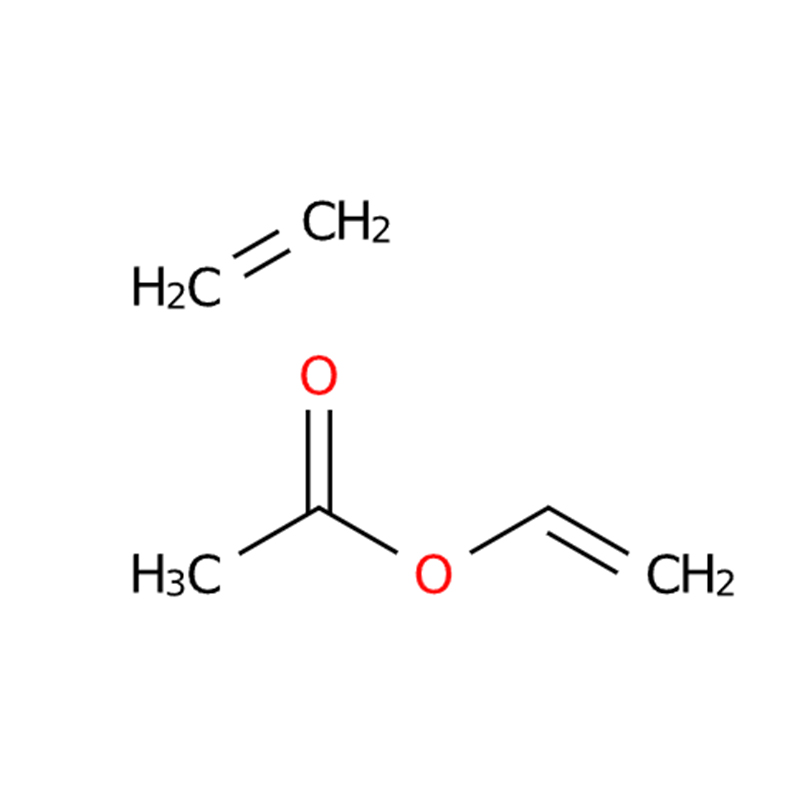
Ethylene-vinyl acetate (EVA) copolymer is a general-purpose polymer produced by copolymerizing ethylene with vinyl acetate (VA content ranging from 5% to 40%).
EVA exhibits excellent impact resistance, stress crack resistance, flexibility, high elasticity, puncture resistance, chemical stability, good electrical properties, and biocompatibility. It also features low density and good compatibility with fillers and flame retardants.
Depending on the VA content, EVA can be applied across a wide range of fields, including plastics, rubber, and emulsion systems. When the vinyl acetate content is between 70% and 95%, it is typically in emulsion form and is known as EVA emulsion, which appears milky white or slightly yellow.
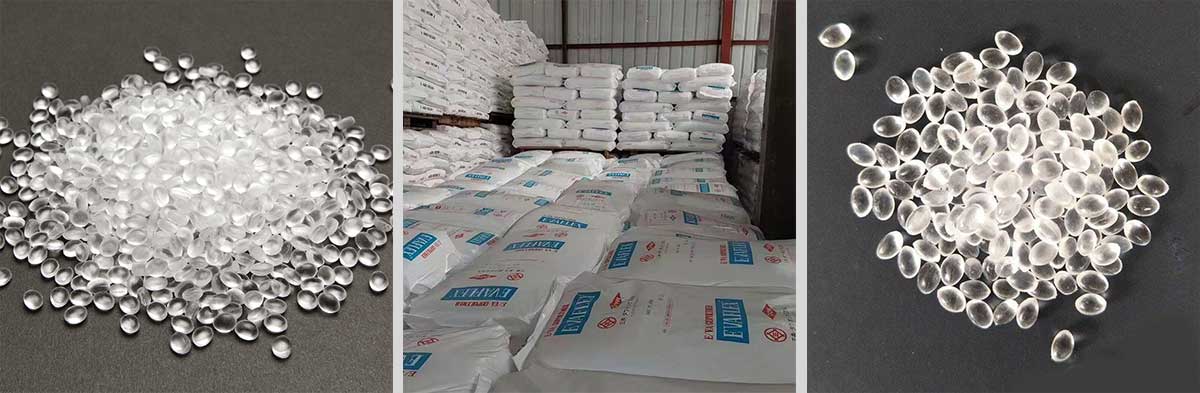
| English Name | Ethylene-vinyl acetate copolymer |
| English Synonyms | ETHYLENE/VINYL ACETATE COPOLYMER;ETHYLENE/VINYL ACETATE COPOLYMER 1O;ETHYLENE/VINYL ACET ATE COPOLYMER 20;ETHYLENE/VINYL ACETATE COPOLYMER 25;ETHYLENE-VINYL ACETATE COPOLYMER R ESIN;ETHYLENE-VINYL ACETATE LATEX;ETHYLENE-VINYL ACETATE MOLDING RESIN;ETHYLENE-VINYL ACET ATE RESIN |
| CAS Number | 24937-78-8 |
| Molecular Formula | (C4H602.C2H4)x |
| Molecular Weight | 114.14 |
| EINECS Number | 607-457-0 |
| Melting point | 75 ℃ |
| Boiling point | <200°C |
| Density | 0.948 g/mL at 25 ℃ |
| Refractive index | 1.476 1.482 |
| Flash point | 260 °C |
| Storage conditions | 2-8°C, sealed storage, away from moisture |
| Solubility | Soluble in toluene, THF, and MEK. |
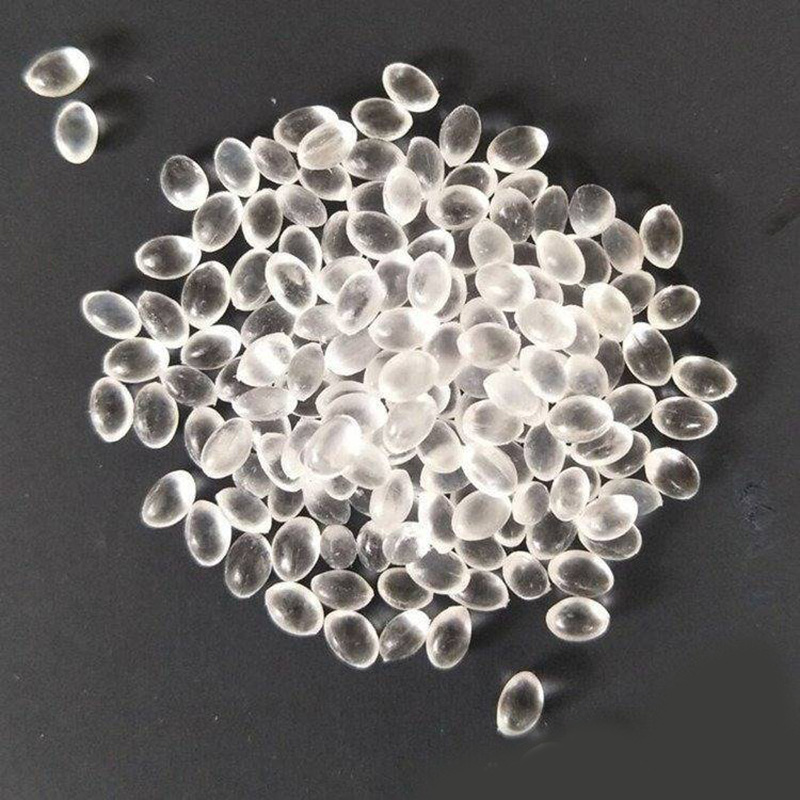
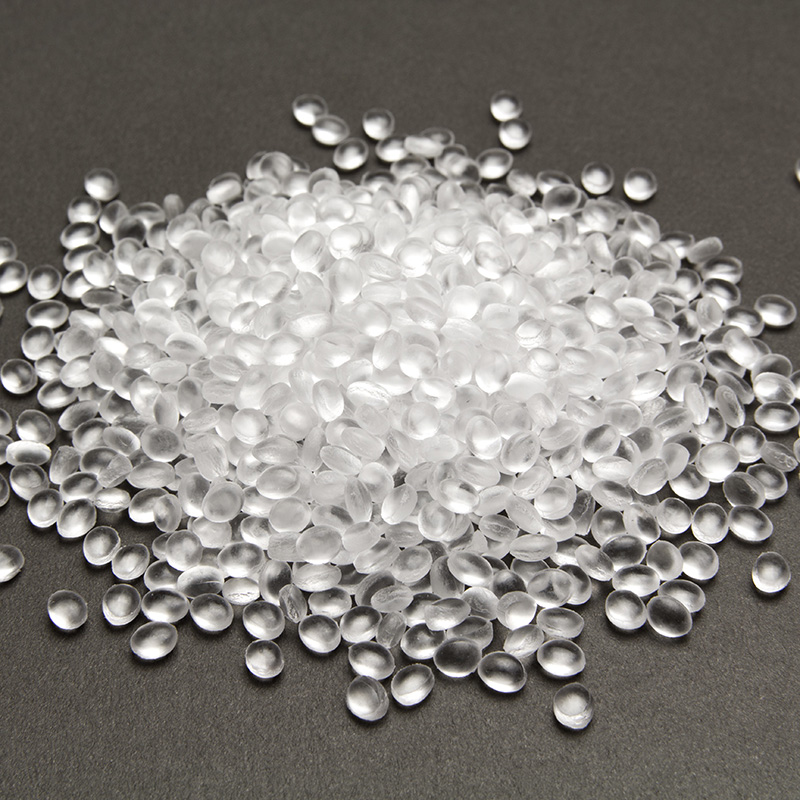
| Form | Granular. |
| Color | White to off-white. |
| Stability | Stable. Flammable. Incompatible with strong oxidizers and alkalis. |
| Cosmetic efficacy | Emulsion stabilizer, binder, film-forming agent. |
| InChI | 1S/C4H6O2.C2H4/c1-2-3-4(5)6;1-2/h2H,1,3H2,(H,5,6);1-2H2 |
| InChIKey | DQXBYHZEEUGOBF-UHFFFAOYSA-N |
| SMILES | C(OC(=O)C)(CCCC(*)OC(=O)C)CCCC(OC(=O)C)CCC* I$ *$ |
| Logp | 0.542 (est) |

Product Application of Ethylene-Vinyl Acetate (EVA) Copolymer
Ethylene-vinyl acetate (EVA) copolymer generally contains 5% to 40% vinyl acetate (VA). Compared with polyethylene, EVA has lower crystallinity due to the introduction of vinyl acetate units into the molecular chain, resulting in improved flexibility, impact resistance, filler compatibility, and heat-sealing performance.
It is widely used in foamed shoe materials, functional greenhouse films, packaging films, hot-melt adhesives, wires and cables, and toy manufacturing.