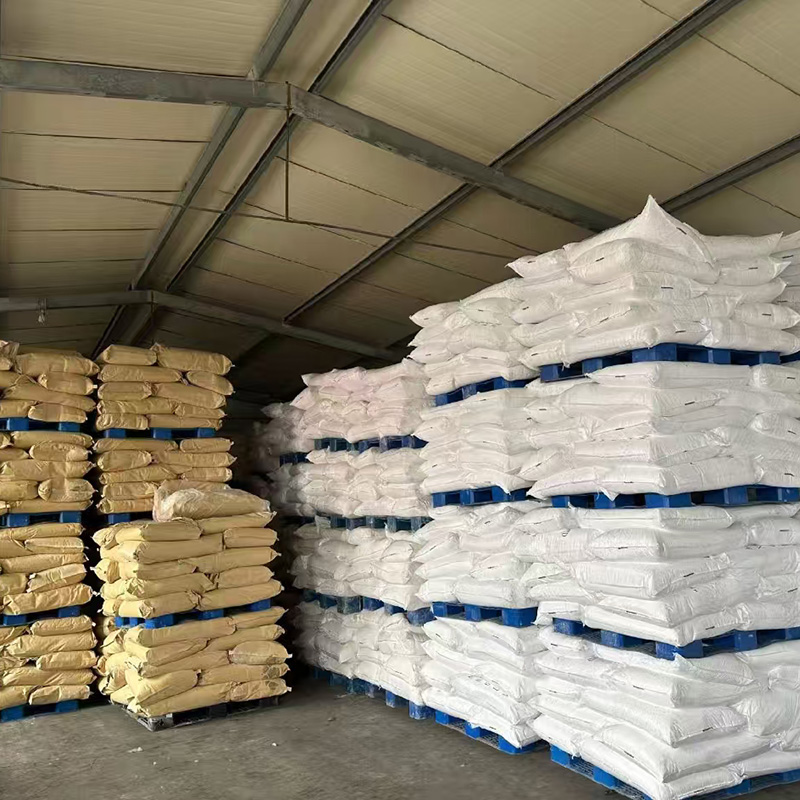
Thermoplastic Polyurethane(TPU)
Excellent Mechanical Strength and Elasticity – TPU offers high tensile strength (20–60 MPa) and outstanding elongation at break (400–800%), providing both durability and flexibility.
Strong Heat and Abrasion Resistance – Polyester-type TPU exhibits excellent heat resistance and wear resistance, making it suitable for demanding industrial applications.
Good Hydrolysis and Oil Resistance – Polyether-type TPU provides strong hydrolysis resistance, while the material also shows excellent oil resistance with low volume expansion (<5%).
Wide and High-Performance Applications – TPU is widely used in automotive seals, wire sheaths, medical catheters (ISO 10993 certified), mobile phone cases, and textile materials due to its balanced performance properties.
Products Description of Thermoplastic Polyurethane (TPU)
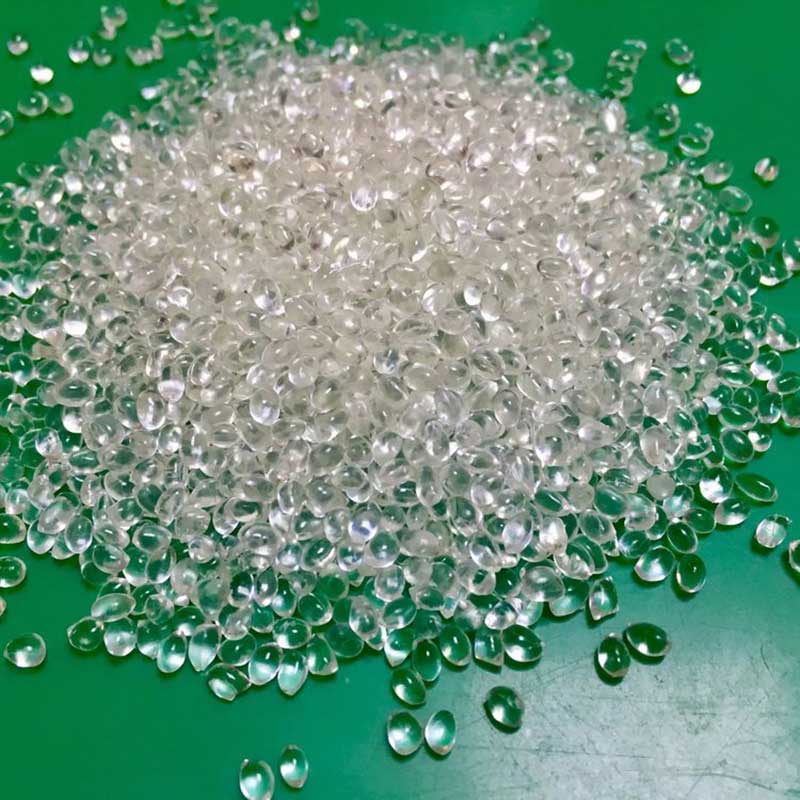
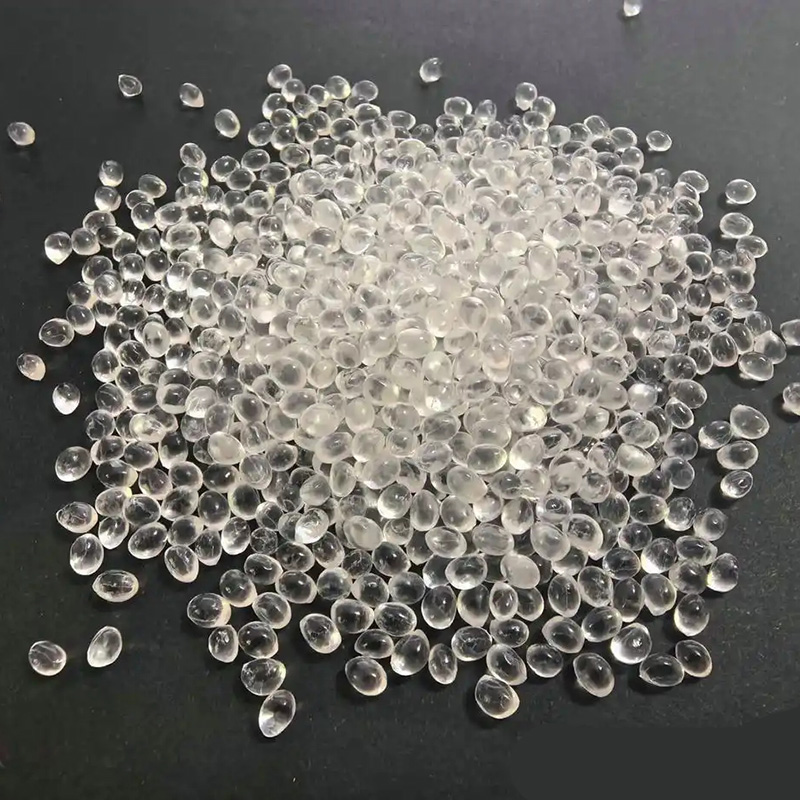
Thermoplastic polyurethane (TPU), also known as thermoplastic polyurethane elastomer, is a linear block copolymer produced through extrusion compounding of diphenylmethane diisocyanate (MDI), oligomeric polyol (POLYOL), and 1,4-butanediol.
TPU is a type of polyurethane elastomer that can be softened by heat and dissolved in solvents. Polyester-type TPU offers excellent heat resistance and abrasion resistance, while polyether-type TPU provides good hydrolysis resistance.
It is widely used in automotive seals (compression set <30%), wire sheaths, medical catheters (ISO 10993 certified), mobile phone cases, and school uniform fabrics.
In terms of performance, TPU has a tensile strength of 20–60 MPa and an elongation at break of 400–800%. It also demonstrates excellent oil resistance (volume expansion <5%) and hydrolysis resistance (strength retention >85%).
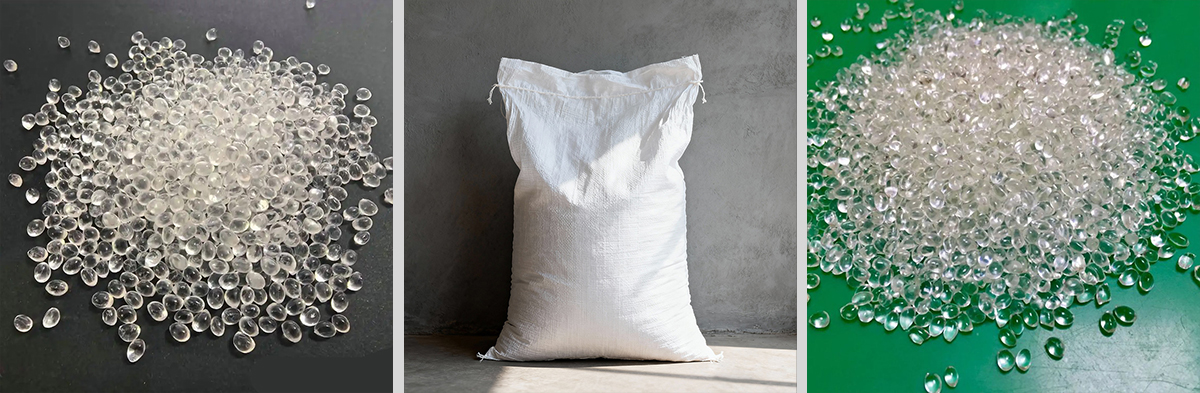
Thermoplastic Polyurethane (TPU) Structure and Properties
TPU molecular chains are composed of linear block structures formed by oligomeric polyol soft segments (molecular weight 1000–6000) and diisocyanate chain-extender hard segments. The soft segments account for 60%–95% of the structure and provide elasticity, while the hard segments form physical crosslinking points through hydrogen bonding.
Polyester-type TPU is synthesized using raw materials such as polyethylene adipate (PEA-2000), whereas polyether-type TPU is based on polytetrahydrofuran ether diol (PTMG). Due to differences in phase separation behavior, polyester-type TPU exhibits tensile strength that is 30%–50% higher than that of polyether-type TPU.
In terms of performance, TPU has a tensile strength of 20–60 MPa and an elongation at break of 400–800%. Its dynamic mechanical loss factor (tanδ) remains stable within a temperature range of −40°C to 80°C. Polyester-based TPU shows superior oil resistance (volume expansion <5% under ASTM D471 standards) and higher tensile strength, while polyether-based TPU retains over 85% of its strength after being immersed in water at 23°C for 30 days.
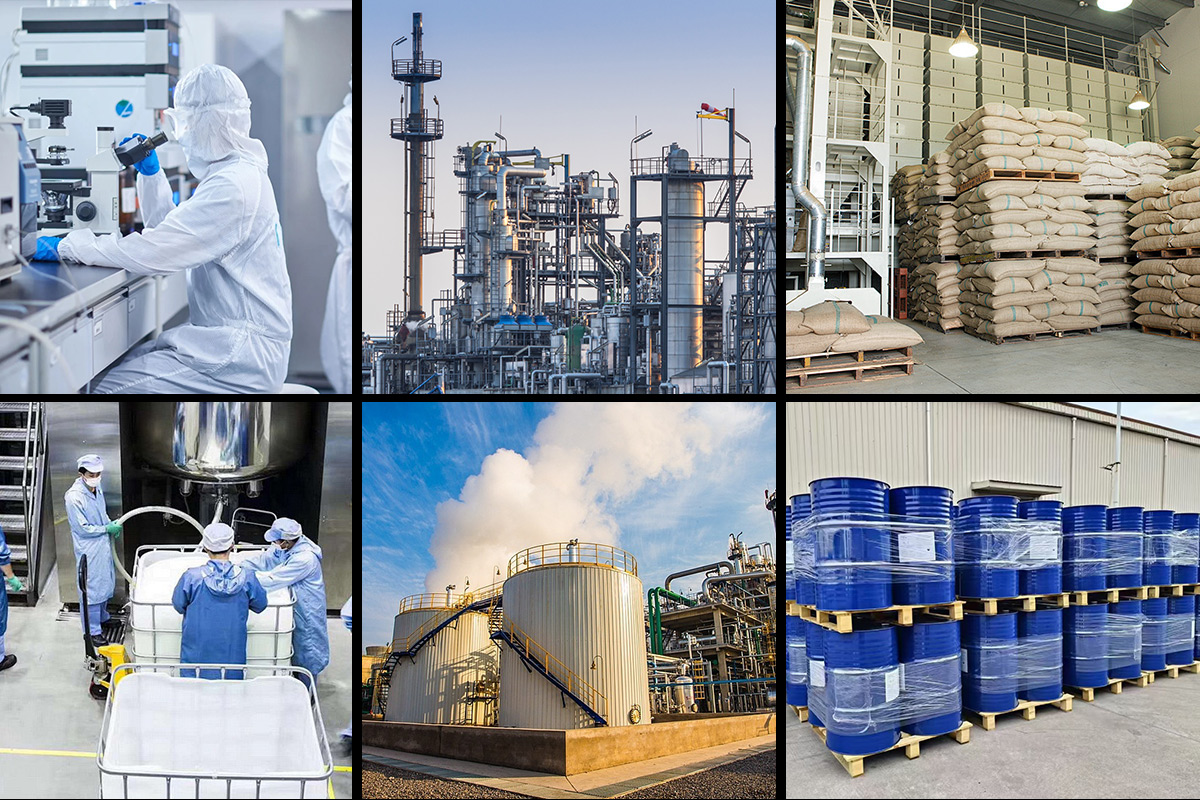
Product Application of Thermoplastic Polyurethane (TPU)
Thermoplastic polyurethane (TPU) is a thermoplastic elastomer (TPE) widely used in industries such as automotive, transportation, aerospace, sporting goods, and medical devices.
It is also applied in shoemaking, magnetic tapes, inks, adhesive tapes, as well as in the manufacturing of automotive components and cable sheaths.