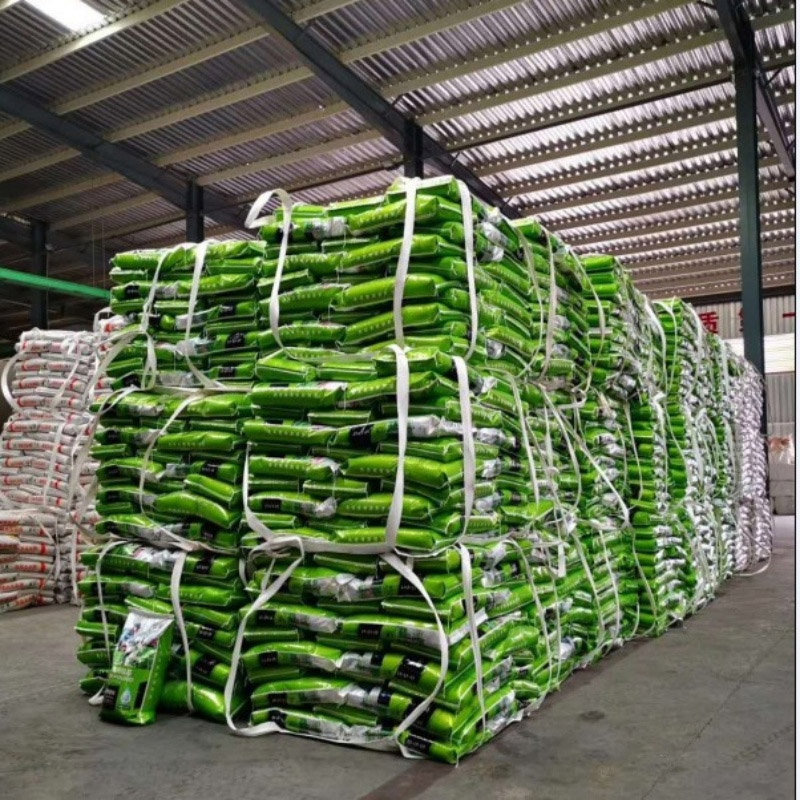
Thermoplastic Rubber(TPR)
Thermoplastic Processability Without Vulcanization – TPR can be directly processed by injection molding and extrusion without the need for vulcanization, improving production efficiency.
Excellent Rubber-Like Elasticity – It combines thermoplastic properties with rubber elasticity, ensuring flexible and durable performance.
Good Mechanical Performance – TPR offers excellent wear resistance, slip resistance, and shock absorption, making it suitable for demanding applications.
Wide Application Range – It is widely used in footwear, toys, automotive parts, and wire and cable products, especially in low-hardness SBS-based applications.
Products Description of TPR (Thermo-Plastic-Rubber)
TPR (Thermo-Plastic-Rubber) is a thermoplastic rubber material. Its main components include thermoplastic styrene-butadiene rubber (SBS, SEBS) and modified blends such as resins and plasticizers. It combines rubber-like elasticity with thermoplastic processability and can be directly molded into products through injection molding and extrusion without vulcanization.
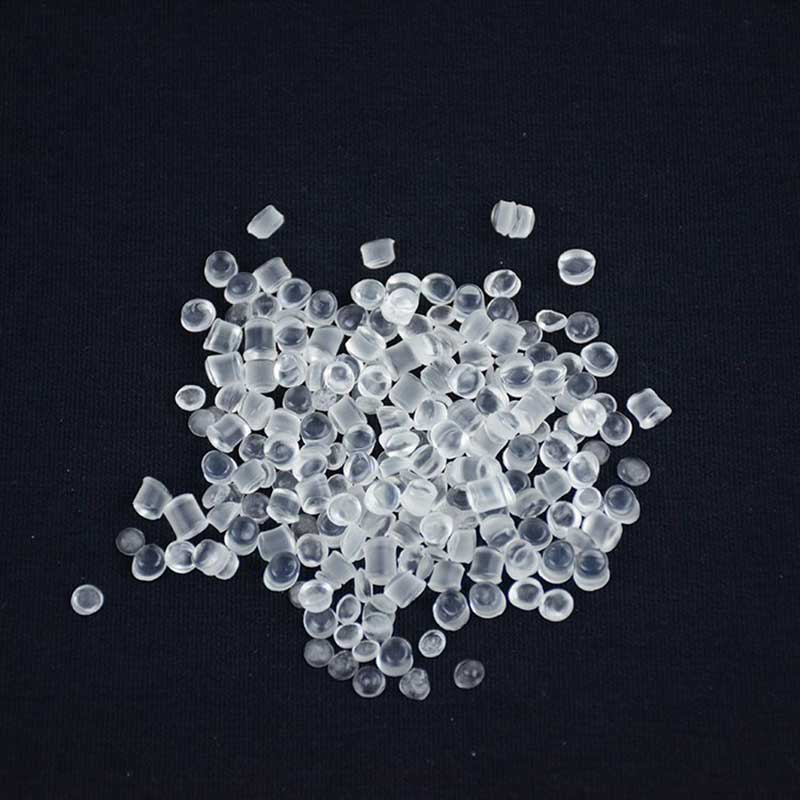
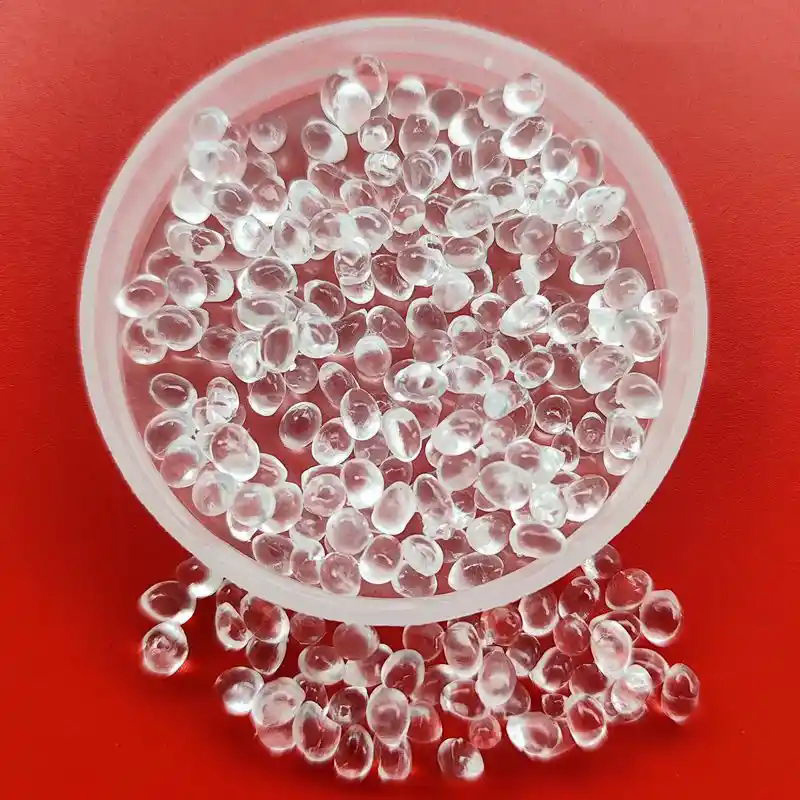
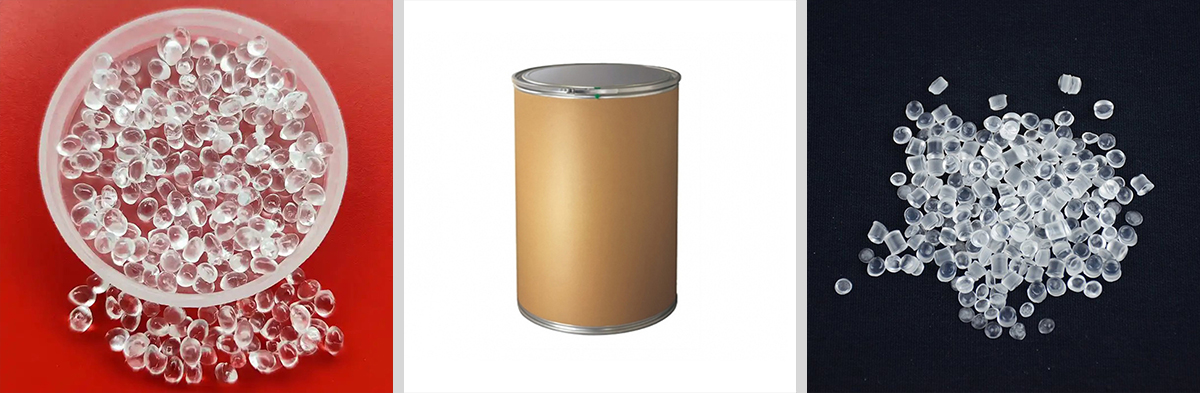
TPR typically appears as transparent or off-white granules. The particles are usually spherical, ellipsoidal, or thin strip-shaped, with a smooth glossy surface and good reflectivity.
The material offers excellent wear resistance, slip resistance, and shock absorption performance. It is widely used in footwear, toys, automotive parts, and wire and cable applications, with SBS-based grades commonly applied in low-hardness products.
Product Application of TPR Materials
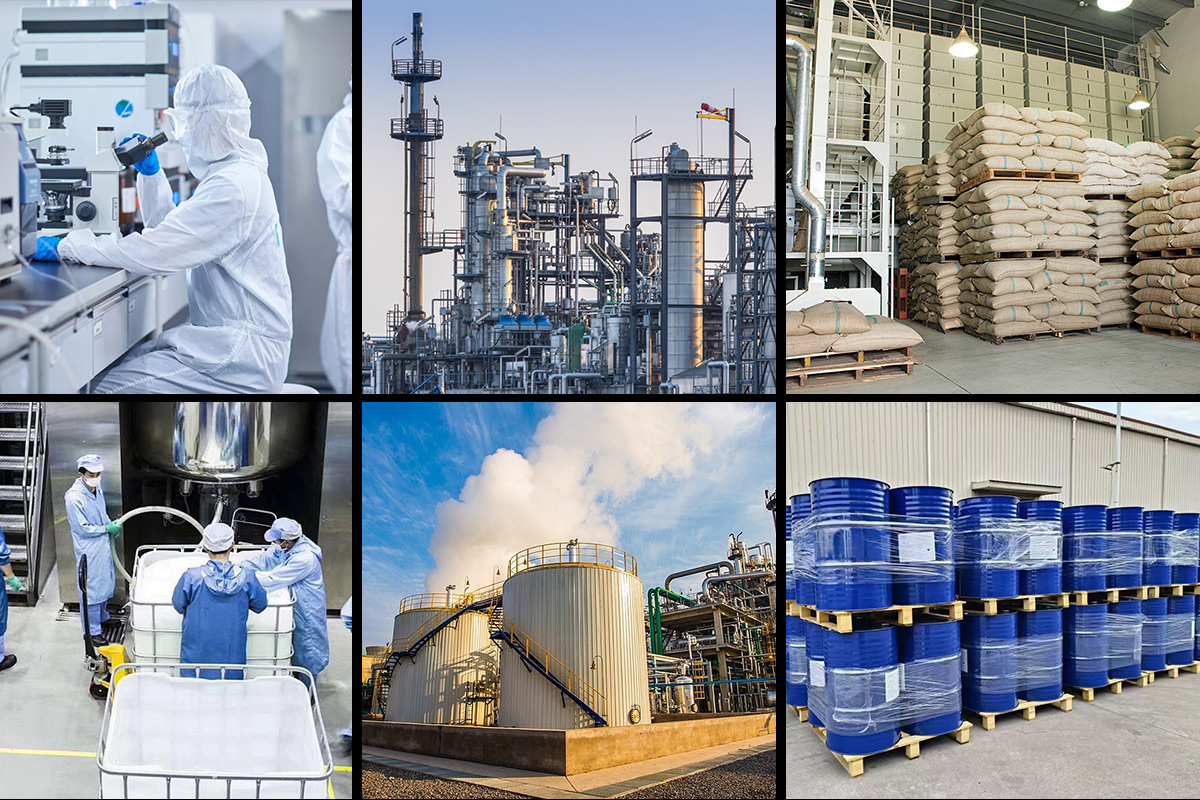
TPR materials are widely applied in daily necessities, adult products, hardware tools, bags and wheels, sporting goods, toys, automotive parts, medical products, wires and cables, electronics, communication instruments, and footwear materials, among other fields.
In the footwear and toy industries, SBS-based TPR is the main application segment. SEBS-based modified materials are mainly used in products that require high aging resistance, weather resistance, high tensile strength, and extremely low hardness (below Shore A 5).
Distinguishing Methods
Both TPR and PVC are soft, rubber-like materials, making them difficult to distinguish by appearance and feel. However, burning them provides a more direct and easier way to differentiate them.
—Observe the burning odor.
TPR has a pleasant, mild odor when burning. PVC has a strong, unpleasant chlorine odor when burning.
—Observe the flame color.
PVC has a green flame base when burning, while TPR has a blue flame base.
—Flame retardancy rating (referring to materials without flame retardants)
PVC has a UL94-V2 flame retardancy rating and is self-extinguishing; once ignited, the flame will generally extinguish after the ignition source is removed.
TPR has a UL94-HB flame retardancy rating and will continue to burn even after the flame source is removed.