
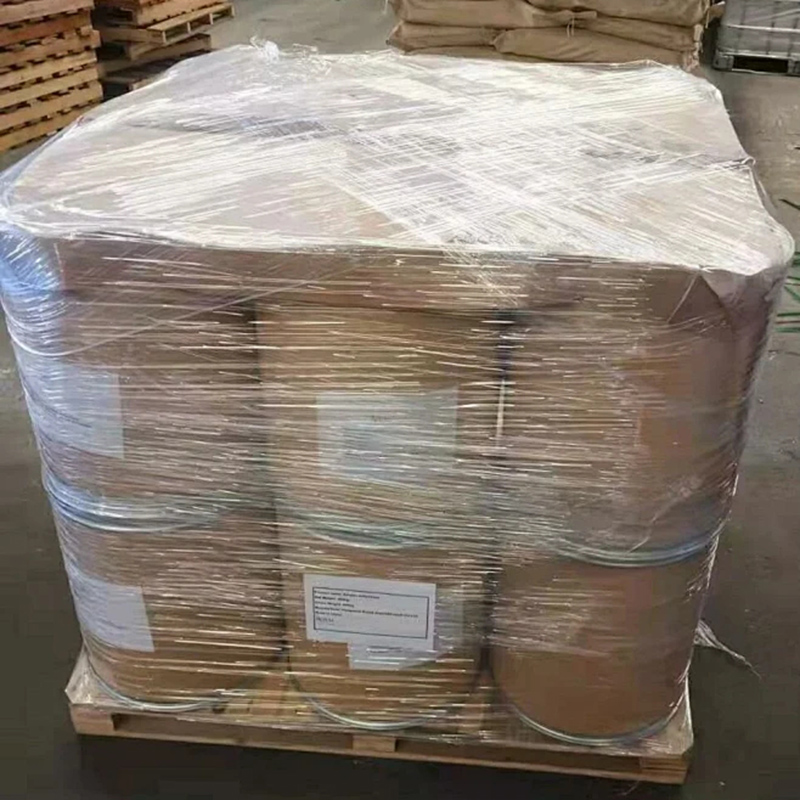
Benzbromarone CAS#3562-84-3
Effective Uricosuric Action – Benzbromarone significantly increases uric acid excretion by inhibiting its tubular reabsorption.
Gout Treatment Application – It is a potent uricosuric drug widely used in the treatment of gout.
Support for Venous Disorders – It can help prevent, slow down, or reverse varicose degenerative changes in vascular walls.
Well-Documented Safety Profile – Its side effects are known and reversible in most cases, including gastrointestinal and renal-related reactions, with liver effects resolving after discontinuation.
Products Description of Benzbromarone CAS#3562-84-3
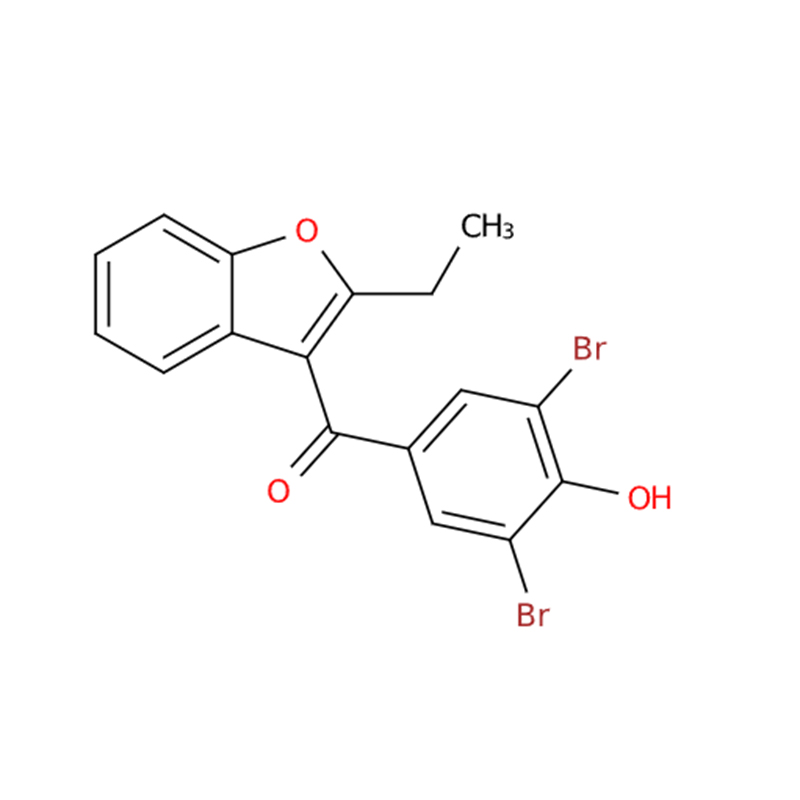
Benzbromarone is a non-competitive inhibitor of xanthine oxidase and a potent uricosuric agent used in the treatment of gout.
It is a benzofuran derivative structurally related to amiodarone. It promotes uric acid excretion by non-specifically inhibiting its tubular reabsorption in the kidneys.
It is also used in patients with venous disorders to prevent, slow down, or reverse degenerative varicose changes in vessel walls.
Reported side effects include diarrhea (in 3–4% of patients), urate and oxalate stone formation, urinary gravel, renal colic, and allergic reactions in a small number of cases. Reversible liver damage has also been reported after drug withdrawal.
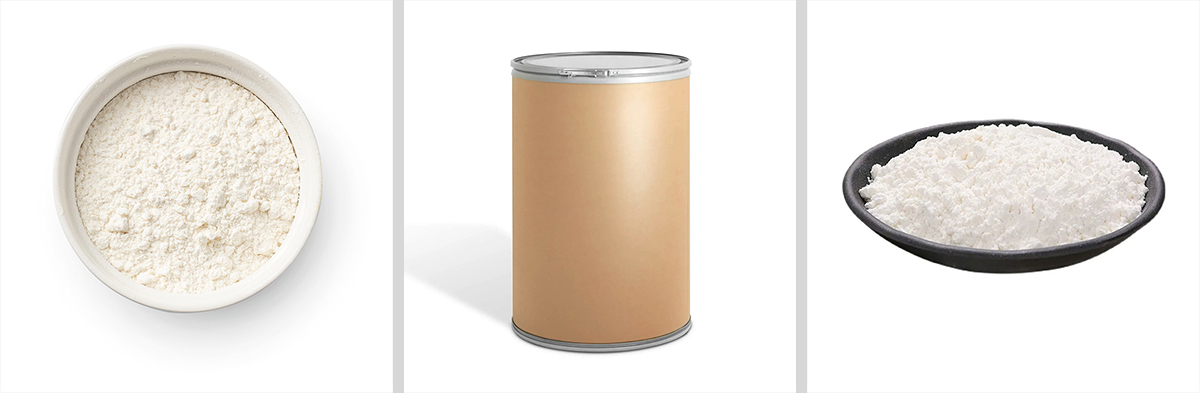
Benzbromarone Chemical Properties
| Melting point | 151° |
| Boiling point | 514.1±50.0 °C(Predicted) |
| density | 1.6211 (rough estimate) |
| refractive index | 1.6010 (estimate) |
| storage temp. | Inert atmosphere,2-8°C |
| solubility | Practically insoluble in water, freely soluble in acetone and in methylene chloride, sparingly soluble in ethanol (96 per cent). |
| pka | 4.66±0.25(Predicted) |
| form | Solid |
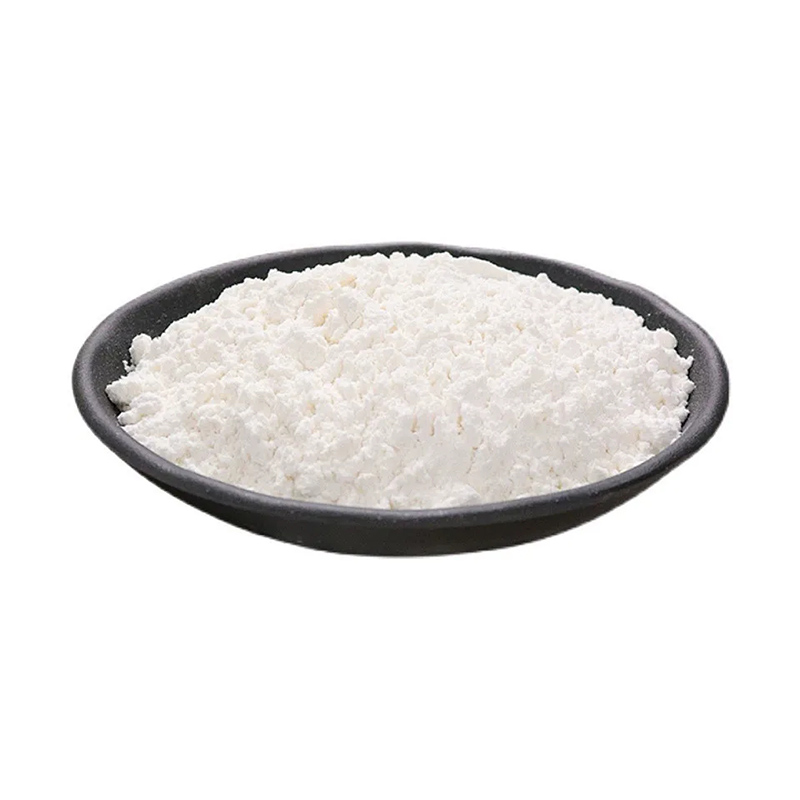
| color | White to Light yellow |
| Merck | 141065 |
| Major Application | forensics and toxicology |
| pharmaceutical (small molecule) | |
| veterinary | |
| InChI | InChI=1S/C17H12Br2O3/c1-2-13-15(10-5-3-4-6-14(10)22-13)16(20)9-7-11(18)17(21)12(19)8-9/h3-8,21H,2H2,1H3 |
| InChIKey | WHQCHUCQKNIQEC-UHFFFAOYSA-N |
| SMILES | C(C1=CC(Br)=C(O)C(Br)=C1)(C1C2=CC=CC=C2OC=1CC)=O |
| CAS DataBase Reference | 3562-84-3(CAS DataBase Reference) |
| EPA Substance Registry System | Methanone, (3,5-dibromo-4-hydroxyphenyl)(2-ethyl-3-benzofuranyl)- (3562-84-3) |
| Hazard Codes | Xn |
| Risk Statements | 22 |
| Safety Statements | 36 |
| RIDADR | UN 2811 6.1/PG 3 |
| WGK Germany | 3 |
| RTECS | OB1804200 |
| TSCA | TSCA listed |
| HS Code | 2932.99.7000 |
| HazardClass | 6.1(b) |
| PackingGroup | III |
| Storage Class | 6.1C - Combustible acute toxic Cat.3 |
| toxic compounds or compounds which causing chronic effects | |
| Hazard Classifications | Acute Tox. 3 Oral |
| Toxicity | LD50 oral in rat: 248mg/kg |

Product Application of Benzbromarone CAS#3562-84-3
Benzbromarone is a benzofuran derivative reported to reduce serum urate levels in both animal and human studies. In normal and hyperuricemic subjects, it can lower serum uric acid by approximately one-third to one-half. Compared with other urate-lowering agents, 80 mg of micronized benzbromarone or 100 mg of non-micronized formulation shows similar efficacy to 1–1.5 g of probenecid or 400–800 mg of sulfinpyrazone.
The urate-lowering effect of benzbromarone is mainly attributed to its uricosuric activity. In rats, it inhibits urate reabsorption in the proximal renal tubules at a dose of 10 mg/kg intravenously. In isolated rat liver studies, it shows in vitro inhibition of xanthine oxidase, although no such effect is observed in vivo. In humans, it only weakly inhibits xanthine oxidase, and no increase in urinary excretion of xanthine or hypoxanthine has been detected.
After oral administration, about 50% of the drug is absorbed. It undergoes extensive dehalogenation in the liver and is mainly excreted via bile and feces. For gout control, the usual therapeutic dose is 100–200 mg per day. Benzbromarone is generally well tolerated and associated with few side effects.