Polyoxymethylene (POM) CAS#9002-81-7
High Mechanical Strength (“Super Steel” Performance) – POM is known as “super steel” due to its excellent strength and rigidity, making it suitable for demanding engineering applications.
High Crystallinity Structure – With crystallinity exceeding 70%, POM offers stable physical properties and excellent dimensional performance.
Good Thermal Resistance – It has a relatively high melting point (about 162–180°C depending on type), ensuring reliable performance under elevated temperatures.
Stable Thermoplastic Polymer Structure – As a crystalline thermoplastic composed of long-chain formaldehyde units, POM provides consistent density and strong structural integrity.
Products Description of Polyoxymethylene (POM)
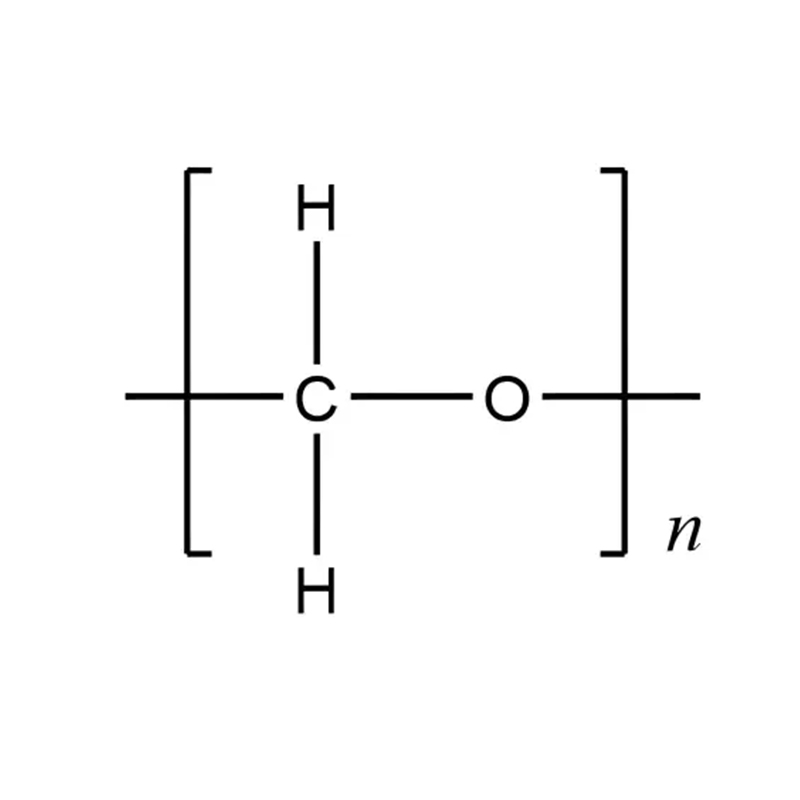
Polyoxymethylene (POM), also known as polyformaldehyde or acetal, is a thermoplastic crystalline polymer often referred to as “super steel.” Its chemical formula is (CH₂O)ₙ, and its CAS number is 9002-81-7.
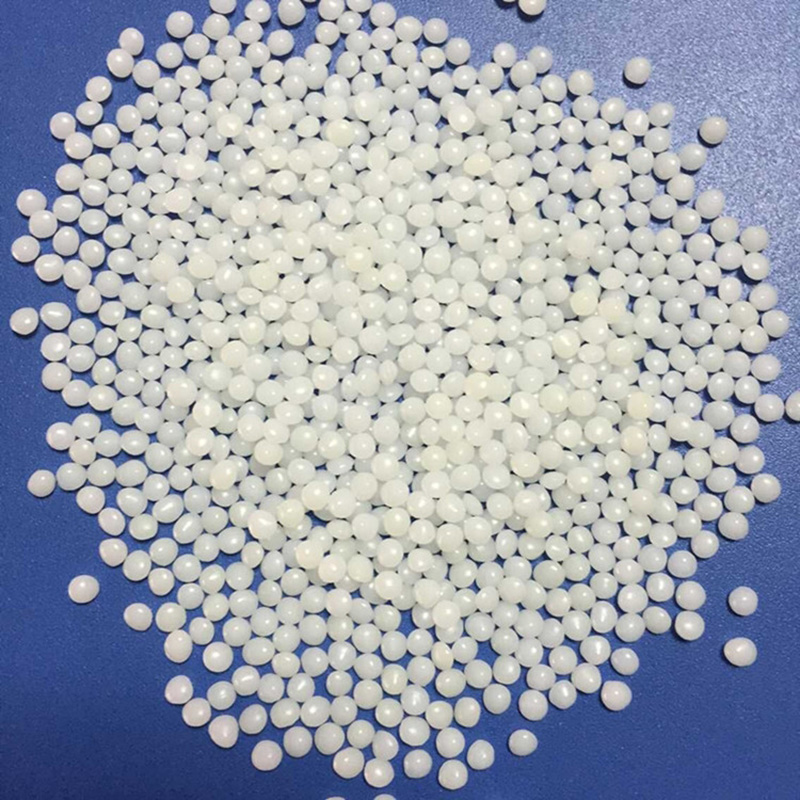
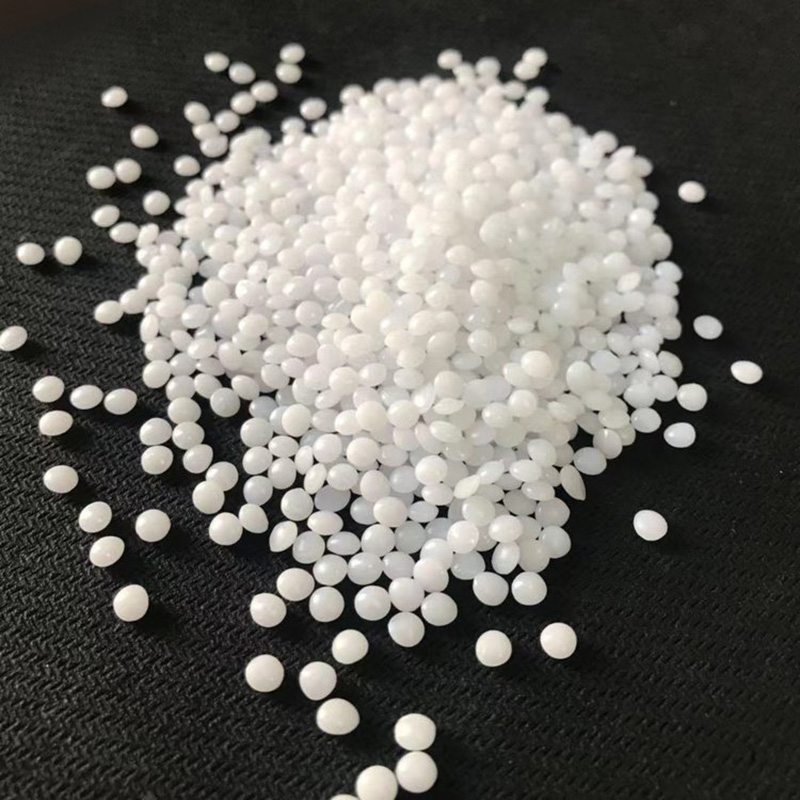
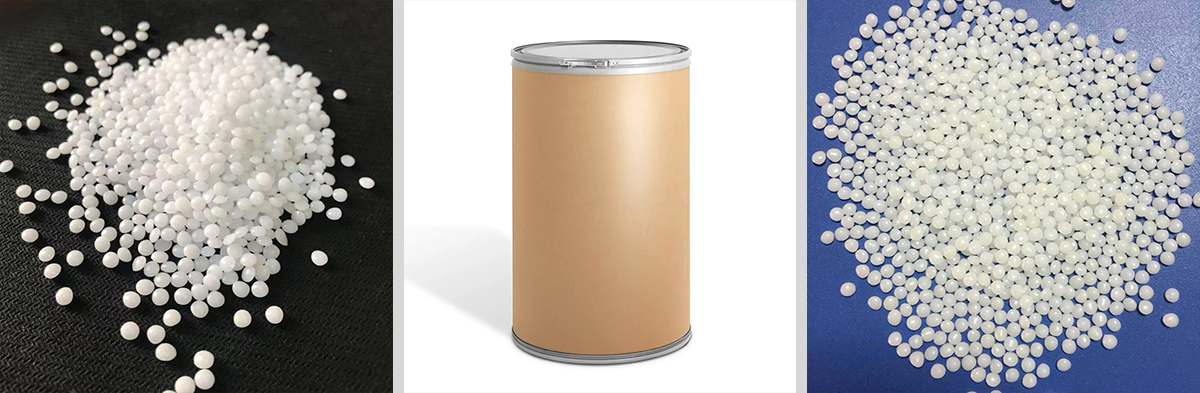
It appears as a colorless solid with a density of 1.42 g/mL. The melting point of the homopolymer is approximately 180°C, while that of the copolymer ranges from 162–173°C. Its crystallinity exceeds 70%.
The polymer chains consist of 8–100 repeating formaldehyde units linked together, forming a highly ordered molecular structure.
| English Name | Polyoxymethylene |
| English Synonyms | FORMALDEHYDE RESIN;ACETAL RESIN;POLYOXMETHYLENE;POLYFORMALDEHYDE;POLY(OXYMETHYLENE), ACETATE END-CAPPED;POLY(TRIOXANE);POLYACETAL;POLYACETAL RESIN |
| CAS Number | 9002-81-7 |
| Molecular Formula | (CH20)n |
| Molecular Weight | 90.08 |
| EINECS Number | 200-001-8 |
| melting point | 175 °C |
| Density | 1.42 g/mL at 25 ℃ |
| Vapor density | 1.03 (vs air) |
| vapor pressure | <1.45 mm Hg (25 °C) |
| flash point | 158°F |
| Solubility | Chlorophenols soluble above 70℃ |
| form | Granular |
| Dielectric constant | 3.6 (Ambient) |
Product Application of Polyoxymethylene (POM)
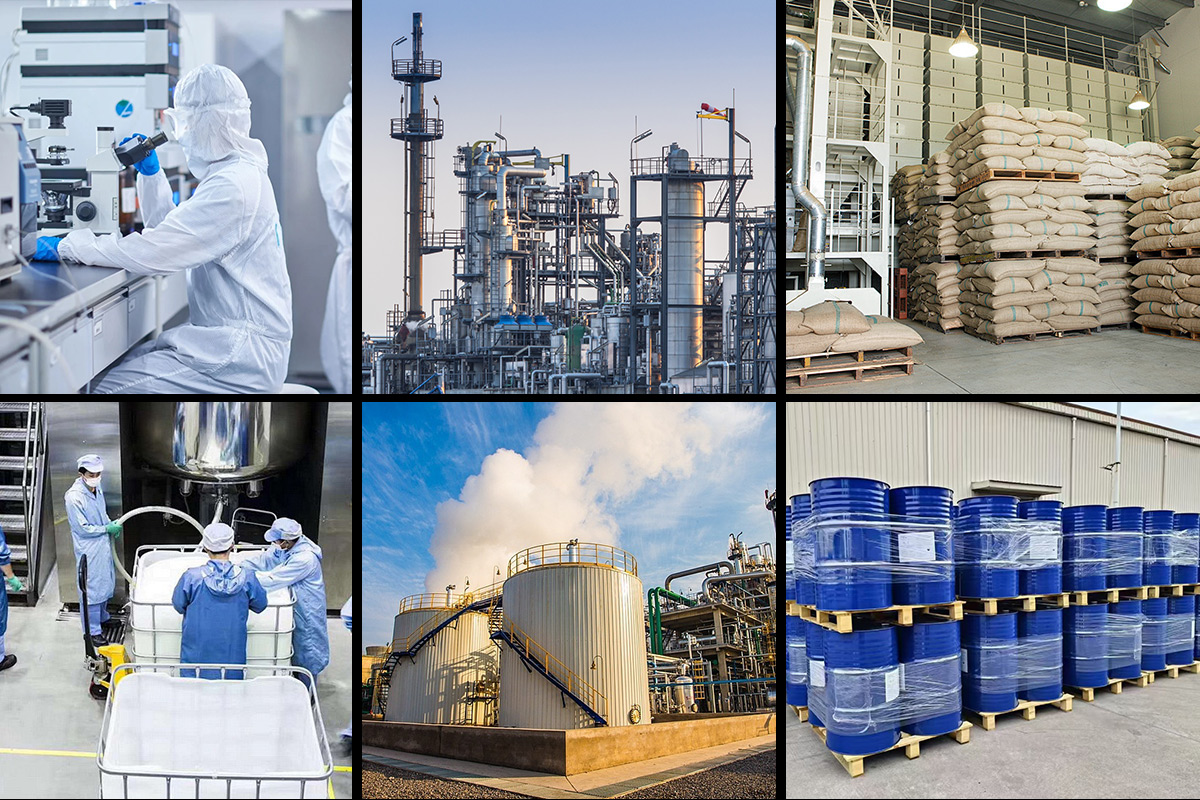
Polyoxymethylene (POM) is widely used in the production of structural components for automobiles, electrical appliances, instruments, agricultural machinery, daily necessities, and building materials.
It can be processed into a wide range of functional parts and is often used as a substitute for non-ferrous metals in various applications.