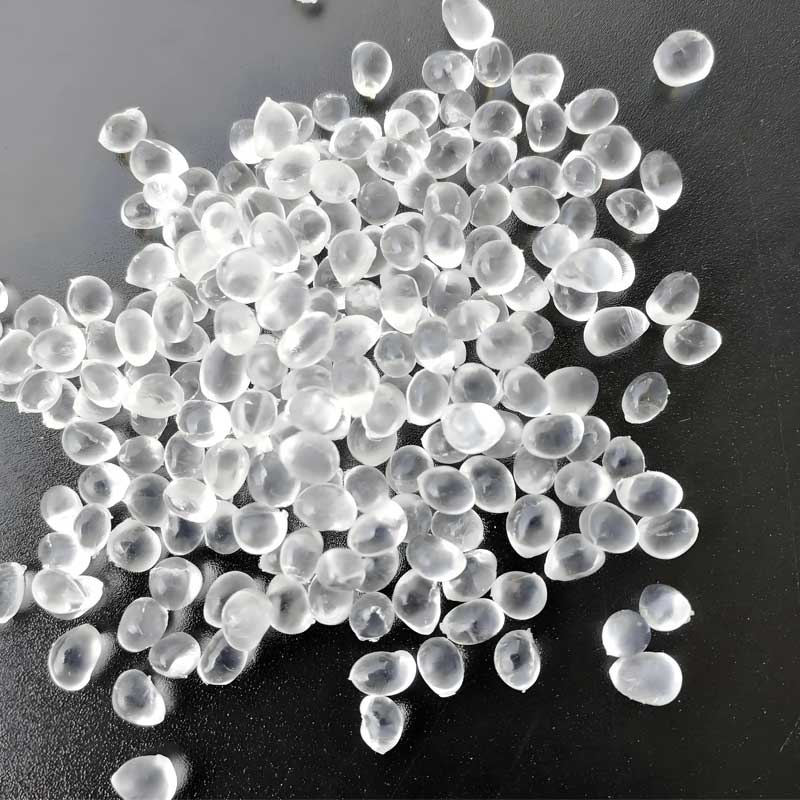
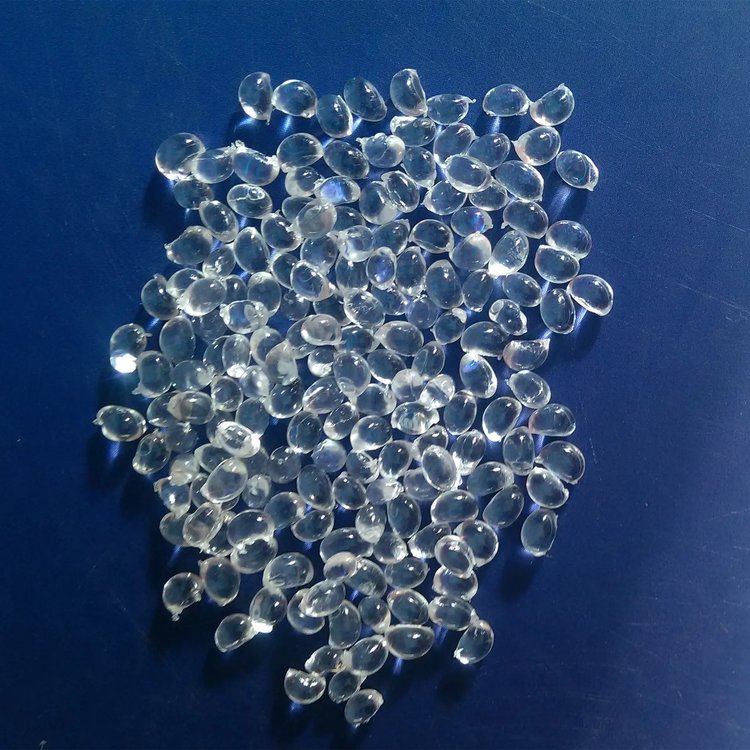
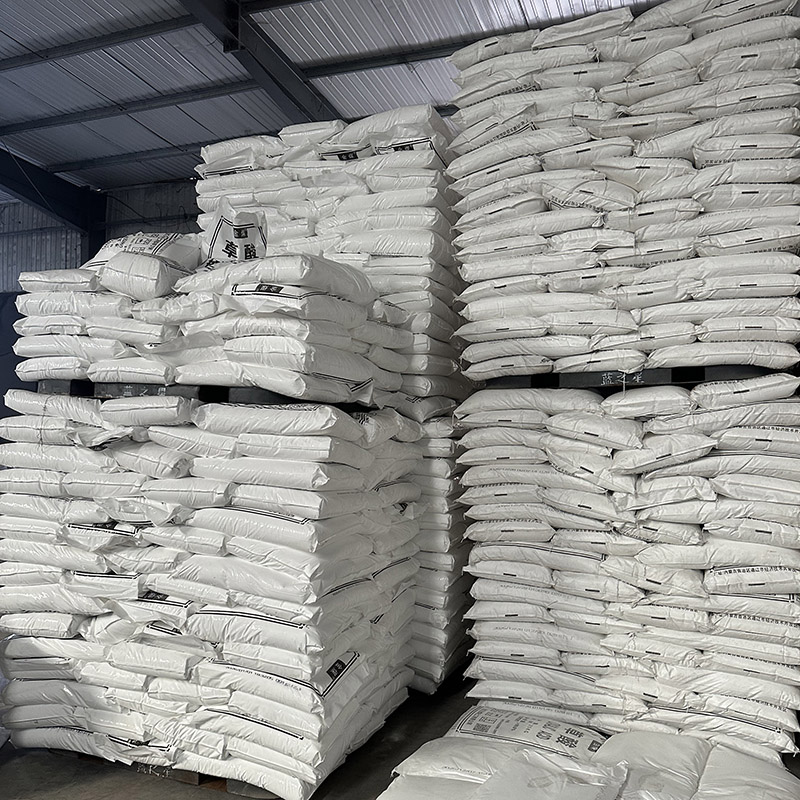
Thermoplastic Elastomer(TPE)
Rubber-Like Elasticity at Room Temperature – TPE/TPR exhibits excellent elasticity similar to vulcanized rubber under normal conditions.
Thermoplastic Processability – It can be softened and molded at high temperatures, combining rubber elasticity with thermoplastic processing convenience.
Reversible Physical Structure – Its resin segments form reversible physical cross-linking points that change with temperature, enabling flexible processing and reuse.
Balanced Rubber and Plastic Properties – TPE combines the mechanical strength of rubber with the processing advantages of plastics, making it a versatile “third-generation rubber” material.
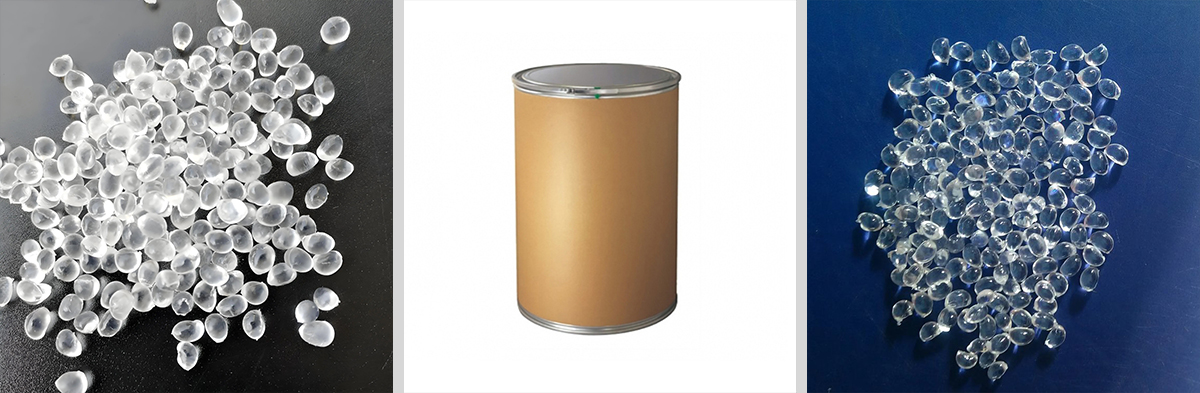
Products Description of Thermoplastic Elastomers (TPE/TPR)
Thermoplastic elastomers (TPE/TPR), also known as synthetic rubber or artificial rubber, combine the excellent properties of traditional cross-linked vulcanized rubber—such as high elasticity, aging resistance, and oil resistance—with the easy processing and versatile molding characteristics of conventional plastics.
TPE/TPR are elastomeric materials that exhibit rubber-like elasticity at room temperature and can be softened and molded under heat. Their structure consists of chemically bonded resin and rubber segments. The resin segments form physical cross-linking points through intermolecular interactions, while the rubber segments provide high elasticity.
These physical cross-links are reversible with temperature changes, enabling thermoplastic processing behavior. As a result, TPE materials combine the mechanical and physical properties of vulcanized rubber with the processing advantages of thermoplastics, making them a new class of polymer materials positioned between rubber and resin and often referred to as the “third-generation rubber.”
Advantages of Thermoplastic Elastomers (TPE/TPR)
(1) They can be processed using standard thermoplastic molding equipment, including injection molding, extrusion, blow molding, compression molding, and transfer molding.
(2) They can also be vulcanized using rubber injection molding machines, significantly reducing processing time from about 20 minutes to under 1 minute.
(3) Extrusion vulcanization is also possible, offering high extrusion efficiency and short curing time.
(4) Production waste such as burrs and scrap rubber can be directly recycled and reused.
(5) Finished TPE products are easy to recycle, helping to reduce environmental pollution and improve resource utilization.
(6) No vulcanization process is required, resulting in energy savings. For example, the energy consumption for high-pressure hose production is 188 MJ/kg for rubber compared to 144 MJ/kg for TPE, achieving more than 25% energy savings.
(7) TPE materials have strong self-reinforcing properties, simplifying formulations, reducing the impact of additives on polymer performance, and improving quality control.
(8) TPE has opened new development pathways for the rubber industry and expanded the application scope of rubber products.
Common types and properties of thermoplastic elastomers
1. Styrene-based TPEs (TPS): Styrene-based TPEs are block copolymers of butadiene or isoprene and styrene. Their properties are closest to SBR rubber. They are among the earliest chemically synthesized thermoplastic elastomers studied and are widely used in the footwear industry, largely replacing rubber. Their applications in industrial rubber products such as rubber sheets and rubber fabrics are also expanding. SBS is also widely used as an impact modifier for PS plastics and is an excellent modifier for asphalt pavements, improving wear resistance, crack resistance, softening resistance, and skid resistance. PS plastics modified with SBS not only have significantly improved impact resistance like rubber but also exhibit excellent transparency.
2. Olefin-based TPEs (TPO): Olefin-based TPEs are blends of PP as the hard segment and EPDM as the soft segment. Due to their lower specific gravity (only 0.88), high heat resistance up to 100℃, and good weather and ozone resistance, they have become another rapidly developing type of TPE. It is widely used in automobiles as gears, racks, ignition wire sheathing, oil-resistant hoses, air ducts, and crack-resistant glossy sealing strips for high-rise buildings. It also exists in wire and cable, food, and medical fields.
3. Diene-based TPEs: Diene-based TPEs are mainly isomers of natural rubber, hence also known as thermoplastic trans-natural rubber (1-NR). However, due to their thermoplastic state and strong crystallinity, their supply is limited, and their applications have not expanded significantly for a long time.
4. Vinyl Chloride-based TPEs: Vinyl chloride-based TPEs are divided into two main categories: thermoplastic PVC and thermoplastic CPE. The former is called TPVC, and the latter TCPE. TPVC is mainly an elastic modifier of PVC, and it is further divided into chemical polymerization and mechanical blending. This type of TPVC can be considered a modified PVC and a substitute for rubber, mainly used to manufacture hoses, sheets, cloths, and some rubber parts. Currently, more than 70% is consumed in the automotive field, such as in car steering wheels and wiper blades. Other applications include electrical wires (approximately 75%) and building waterproofing films (approximately 10%). In recent years, its application has expanded to home appliances, gardening, industry, and everyday workwear, including raincoats.
5. Polyurethane-based TPEs: Polyurethane-based TPEs are thermoplastic polyurethane rubbers, often abbreviated as TPU, composed of interlocking hard segments of urethane reacting with isocyanates and soft segments of polyester or polyether. TPU possesses excellent mechanical strength, abrasion resistance, oil resistance, and flexural strength, with its abrasion resistance being particularly outstanding. It is mainly used in the manufacture of sports equipment such as ski boots and hiking boots, and is also widely used in the production of various sports shoes and hiking shoes, resulting in substantial consumption. TPU can also be used to produce automotive, machinery, and watch parts through injection molding and extrusion, and is extensively used in high-pressure hoses (outer rubber), pure rubber hoses, sheets, transmission belts, conveyor belts, wires and cables, and rubberized fabrics.