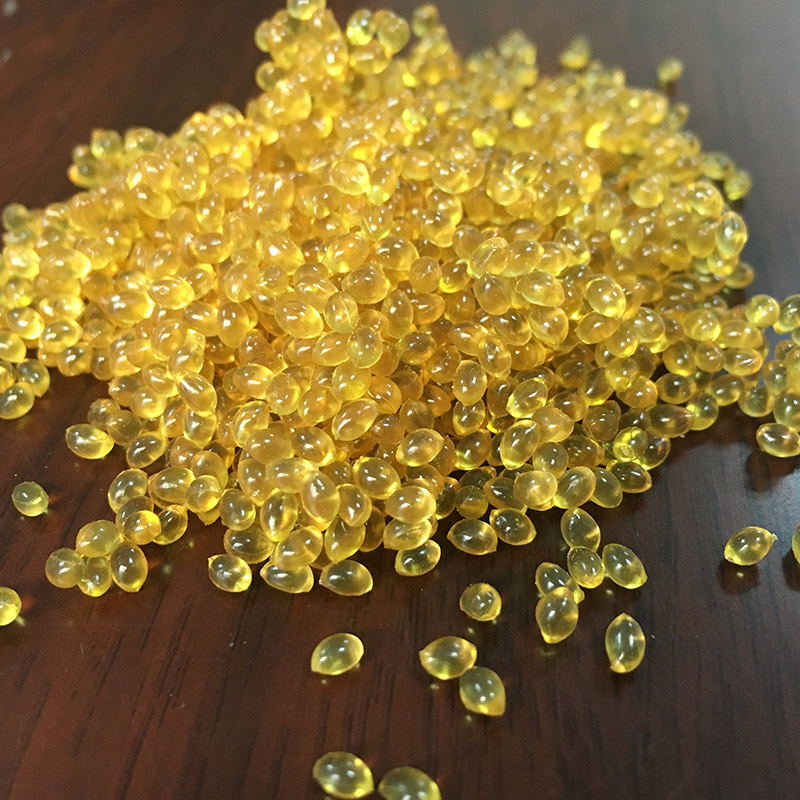
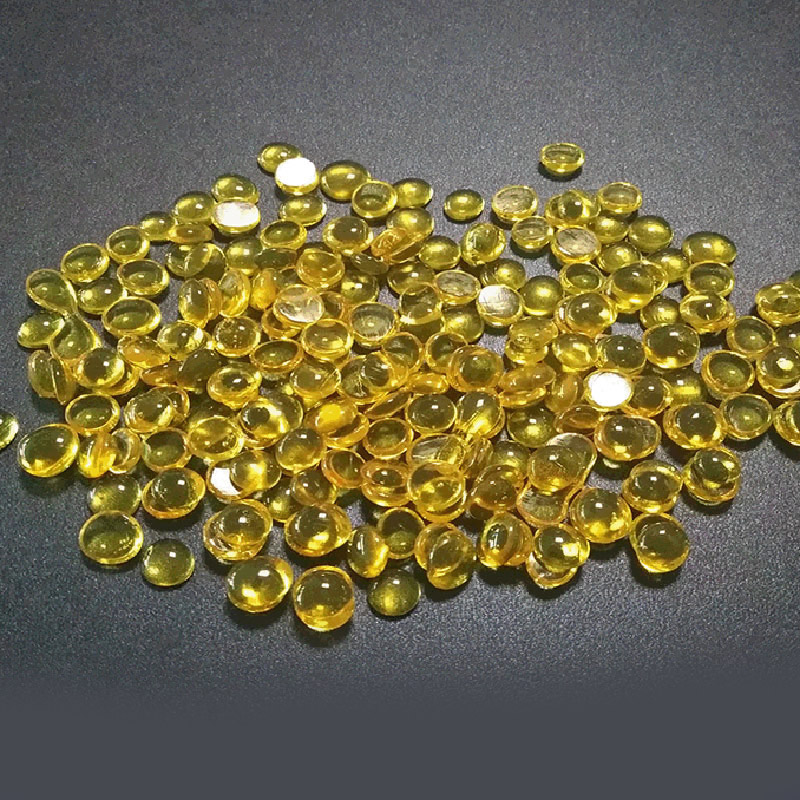
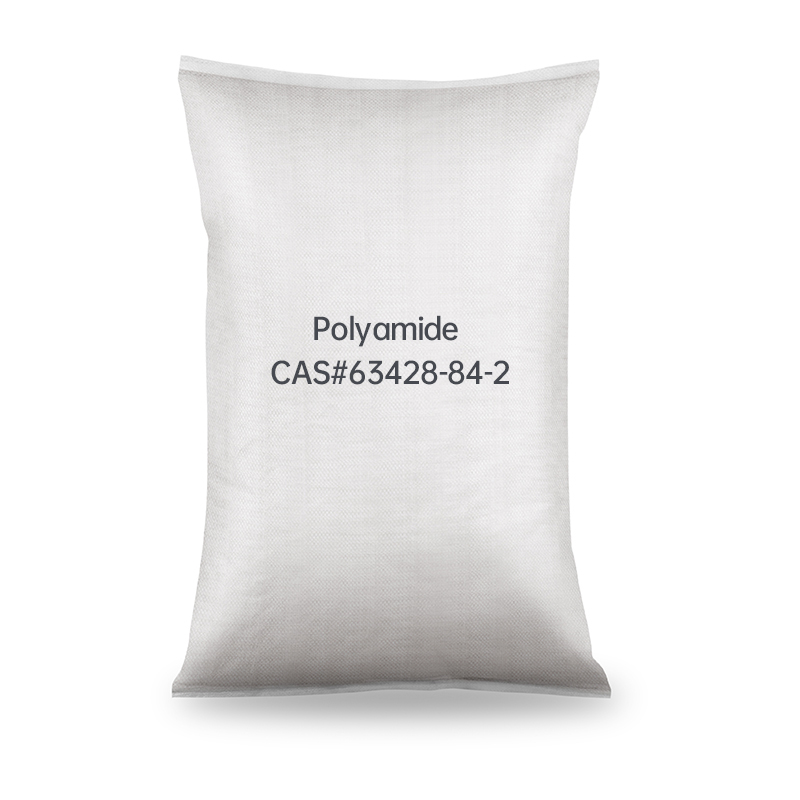

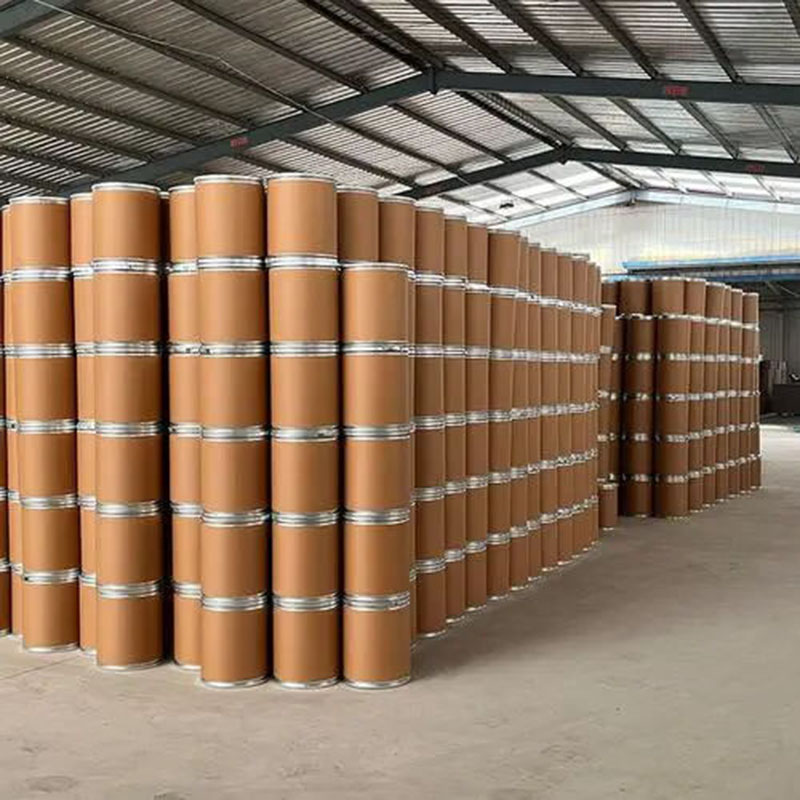
Polyamide is a general term for a group of linear thermoplastic resins containing numerous repeating amide bonds (–CONH–) in their main molecular chains. It is primarily produced through the condensation reaction of dicarboxylic acids with diamines or amino acids and is commonly known as nylon. Polyamide is one of the most widely used engineering plastics.
It is mainly applied in the production of synthetic fibers, with outstanding wear resistance being its most notable advantage compared with other types of fibers. Due to its non-toxic nature, lightweight properties, high mechanical strength, excellent abrasion resistance, and good corrosion resistance, polyamide is widely used as a substitute for metals such as copper in the manufacture of bearings, gears, pump impellers, and other components across industries including machinery, chemicals, instrumentation, and automotive manufacturing.
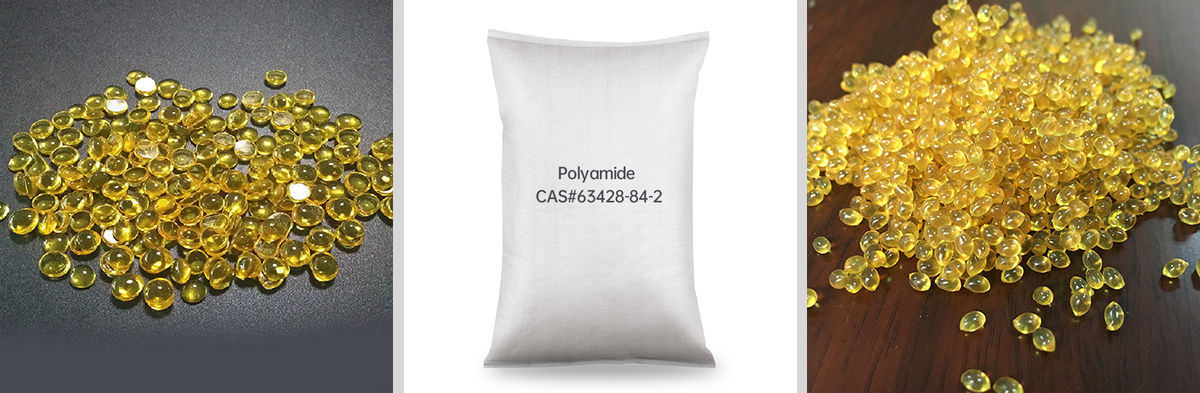
| English Name | Polyamide |
| English Synonyms | Polyamide fibers;Polyamid eP;Polyamide;Polyamide resin No.600;Polyamide resin,low molecular weight 65 1;Polyamide multipolymer;Polyamide resin,low molecular weight 650;Polyamide Rosin |
| CAS Number | 63428-84-2 |
| Molecular Weight | 0 |
| EINECS Number | 807-767-8 |
| Dielectric constant | 2.5 (Ambient) |
| EPA Chemical Substance Information | Polyamide fibers (63428-84-2) |

Polyamide is primarily utilized in the production of adhesives, coatings, and sealing gaskets. It is also widely applied as a room-temperature curing agent and toughening modifier for epoxy resins, as well as a sealing material for cables.