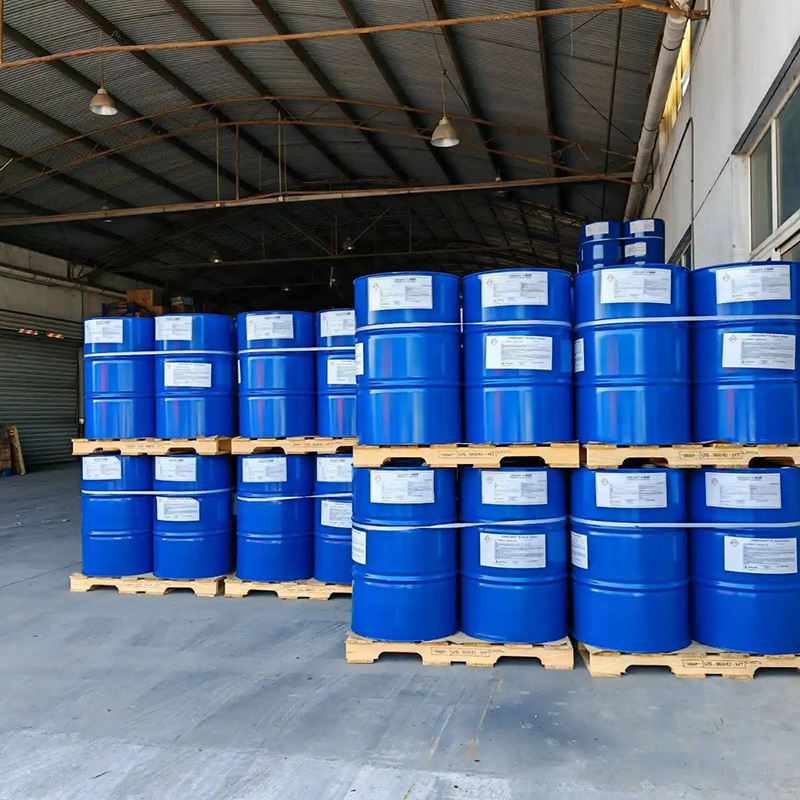
1,3-Butadiene CAS#106-99-0
Excellent Polymerization Capability: 1,3-Butadiene features high chemical reactivity and can undergo various reactions, including addition, diene synthesis, and polymerization, making it an important raw material for polymer production.
Versatile Organic Solvent Compatibility: 1,3-Butadiene is insoluble in water but readily soluble in organic solvents such as alcohols, ethers, acetone, and benzene, providing flexibility in chemical processing applications.
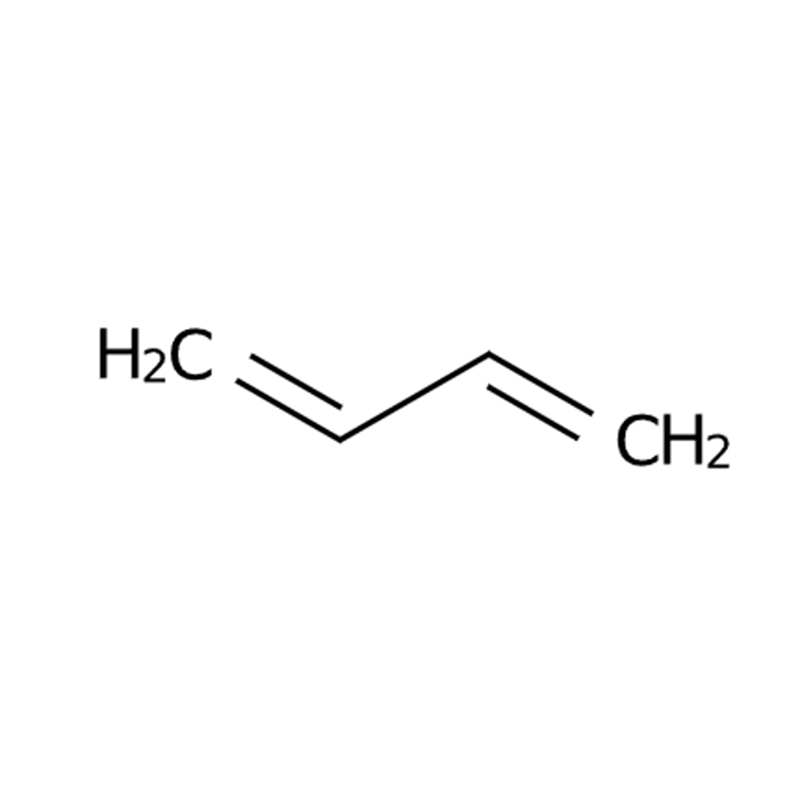
Unique Conjugated Diene Structure: Its special molecular structure gives 1,3-butadiene properties different from ordinary alkenes, enabling diverse chemical transformations and industrial applications.
Important Industrial Chemical Intermediate: With its favorable physical and chemical properties, 1,3-butadiene is widely used as a key intermediate in the synthesis of various chemical products and materials.
Products Description of 1,3-Butadiene
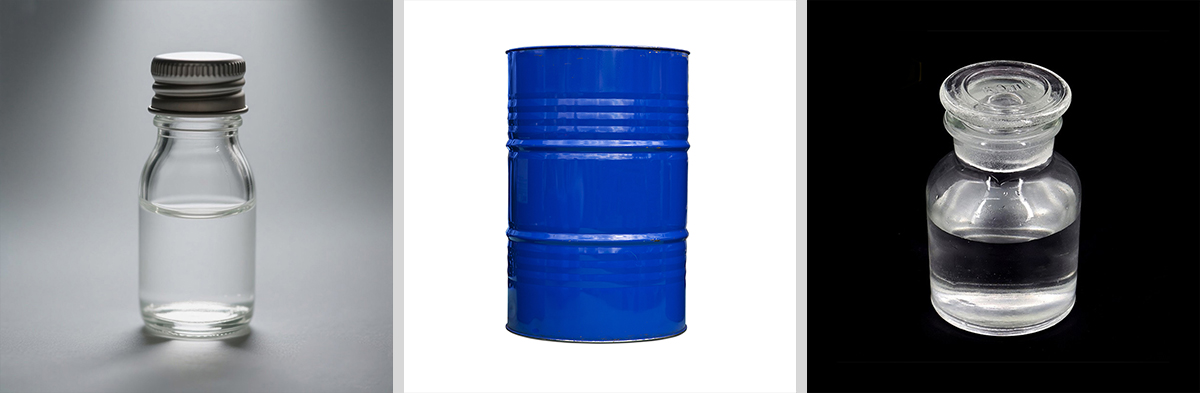
1,3-Butadiene, also known as diethylene or vinylethylene, is an organic compound with the chemical formula C₄H₆ and a molecular weight of 54.09. It is a colorless gas with a mild aromatic odor and can be easily liquefied under suitable conditions.
Due to its unique conjugated diene structure, 1,3-butadiene exhibits different chemical properties from conventional alkenes and can participate in various reactions, including addition reactions, diene synthesis, and polymerization processes.
It has a melting point of -108.9℃, a boiling point of -4℃, and a freezing point of -108℃. Its relative density is 0.62 (water = 1), while its relative vapor density is 1.84 (air = 1). 1,3-Butadiene is insoluble in water but readily soluble in organic solvents such as alcohols, ethers, acetone, and benzene.
| Melting point | -109 °C(lit.) |
| Boiling point | -4.5 °C(lit.) |
| Density | 0.62 g/mL at 20°C(lit.) |
| Vapor density | 1.9 (15 °C, vs air) |
| Vapor pressure | 1863 mm Hg (21 °C) |
| Refractive index | 1.4292 |
| Flash point | -105 °F |
| Storage conditions | 0-6℃ |
| Solubility | Water: Soluble at 20°C (0.5 g/L) |
| Form | Colorless gas |
| Color | Colorless to almost colorless |
| Explosive limit | 12% |
| Odor threshold | 0.23ppm |
| Water solubility | 735mg/L(25 °C) |
| Specific heat capacity | Cp(liquid): 2.29 J/(g-K), at 25℃ |
| Freezing point | -108.91℃ |
| Merck | 141,509 |
| BRN | 605258 |
| Henry's Law Con stant | (x 10-2 atmm3/mol): 6.3 at 25 °C (Hine and Mookerjee, 1975) |
| stability | Stable. Extremely flammable. May form explosive mixtures with air. Incompatible with strong oxidizers, copper, and copper alloys. May contain stabilizers. |
| InChI | 1S/C4H6/c1-3-4-2/h3-4H,1-2H2 |
| InChIKey | KAKZBPTYRLMSJV-UHFFFAOYSA-N |
| SMILES | C=CC=C |
| LogP | 1.99 at 20℃ |
Product Application of 1,3-Butadiene
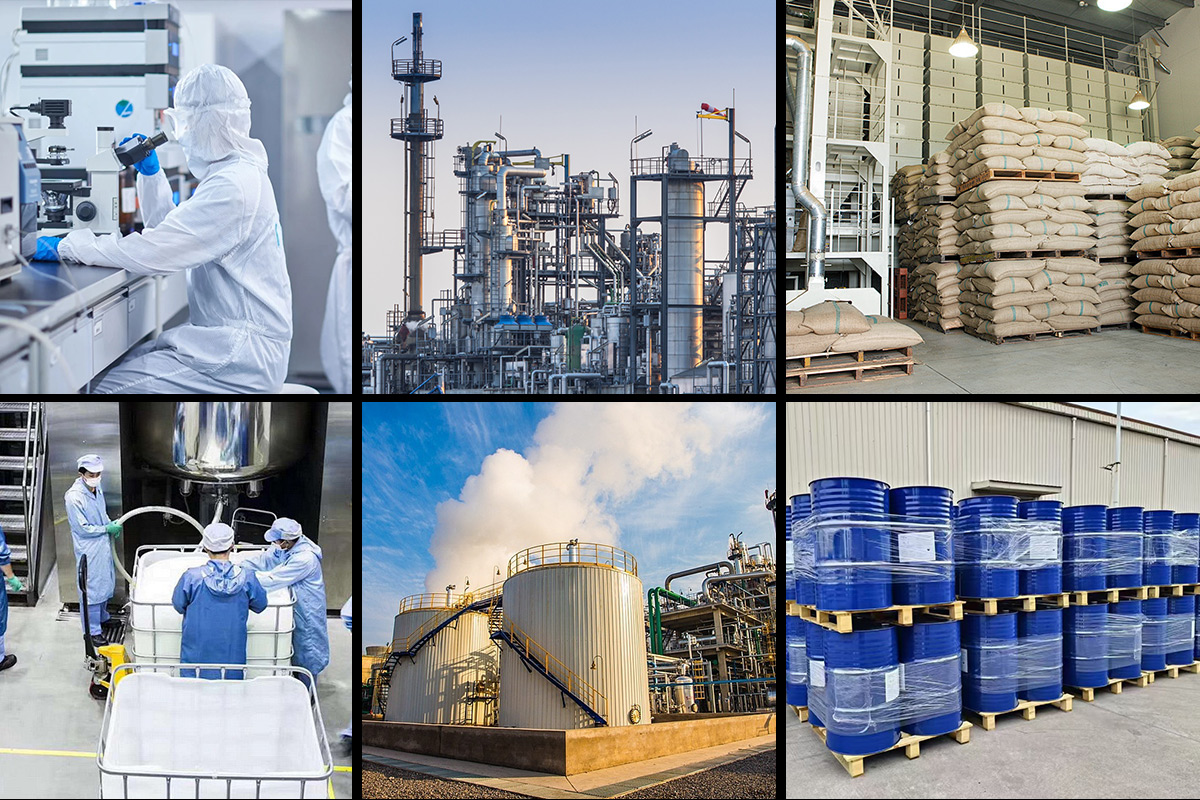
1,3-Butadiene (hereinafter referred to as butadiene) is a key basic organic raw material in the petrochemical industry and has a broad range of industrial applications. As a conjugated diene compound, it can undergo various chemical reactions, including substitution, addition, cyclization, polymerization, and copolymerization with different compounds, enabling the synthesis of numerous organic chemical products.
The synthetic rubber industry represents the largest application field for butadiene, accounting for approximately 80% of global butadiene consumption. It is primarily used in the production of various synthetic rubbers, including styrene-butadiene rubber (SBR), butadiene rubber, chloroprene rubber, nitrile rubber, and polybutadiene rubber.
In addition, butadiene is widely applied in the manufacture of synthetic resins, such as ABS resin, K resin, MRS resin, and thermoplastic elastomer SBS, making it an important raw material for advanced polymer materials.