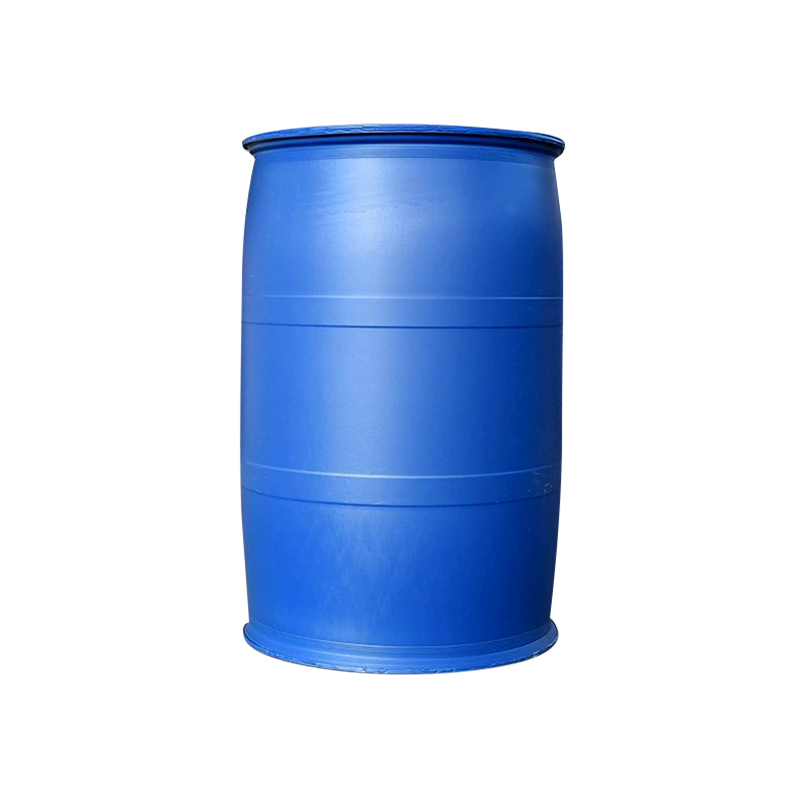
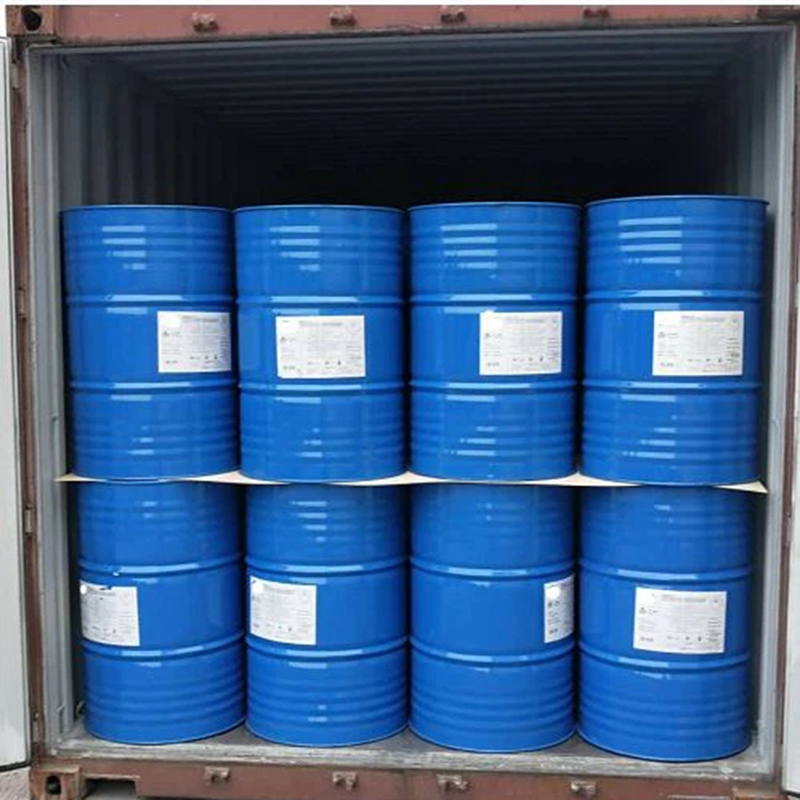
Benzene CAS#71-43-2
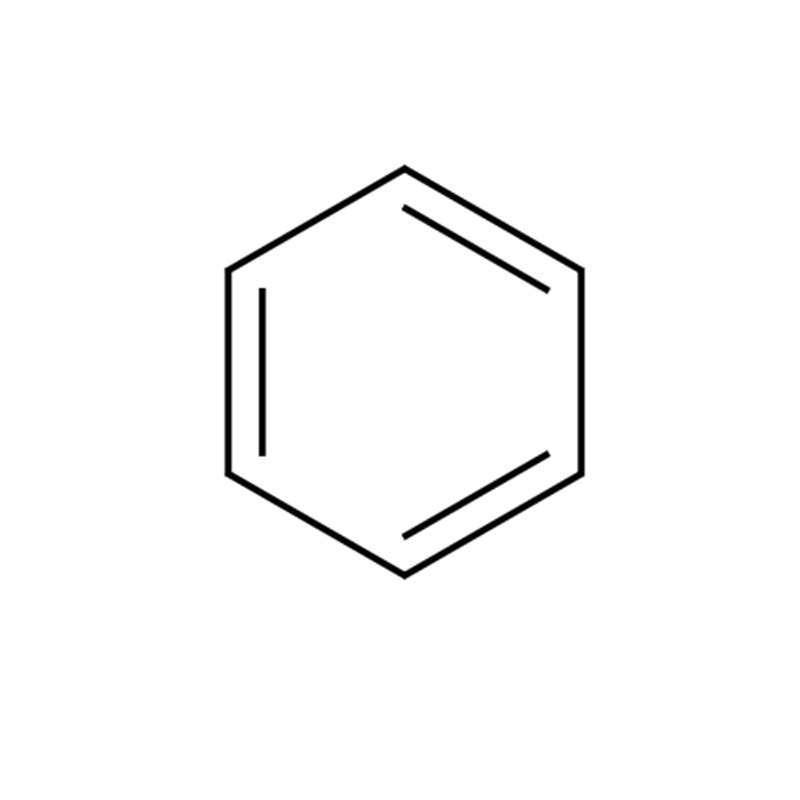
Excellent Chemical Stability: Benzene features a stable aromatic structure, providing strong resistance to addition reactions and reliable performance in chemical processes.
Versatile Reactivity for Chemical Synthesis: Benzene can undergo various substitution reactions, including alkylation, halogenation, and nitration, making it a valuable raw material for producing diverse chemical compounds.
Wide Industrial Application Range: Benzene is extensively used in the chemical industry as an important intermediate for manufacturing numerous downstream products.
High Purity Organic Solvent Properties: With its colorless, volatile, and highly flammable characteristics, benzene offers excellent solvent performance and is widely applied in organic chemistry and industrial synthesis.
Benzene CAS#71-43-2
Benzene is a colorless, volatile, and highly flammable liquid that is widely used in the chemical industry and has attracted significant attention since the early development of organic chemistry. Due to its unique molecular structure, benzene is a highly stable organic compound and does not easily undergo addition reactions. Such addition reactions typically require high temperatures, elevated pressure, and specific catalysts. The most common chemical reactions of benzene are substitution reactions, in which hydrogen atoms within the benzene ring can be replaced by various atoms or atomic groups. The three major types of benzene substitution reactions include alkylation, halogenation, and nitration. During alkylation, one or more hydrogen atoms are substituted by alkyl groups, producing corresponding alkylated benzene derivatives.
Benzene Chemical Properties
| Melting point | 5.5 °C (lit.) |
| Boiling point | 80 °C (lit.) |
| density | 0.874 g/mL at 25 °C (lit.) |
| vapor density | 2.77 (vs air) |
| vapor pressure | 166 mm Hg ( 37.7 °C) |
| refractive index | n20/D 1.501(lit.) |
| Fp | 12 °F |
| storage temp. | room temp |
| solubility | Miscible with alcohol, chloroform, dichloromethane, diethyl ether, acetone and acetic acid. |
| pka | 43(at 25℃) |
| form | Liquid |
| color | APHA: ≤10 |
| Odor | Paint-thinner-like odor detectable at 12 ppm |
| Relative polarity | 0.111 |
| Odor Threshold | 2.7ppm |
| explosive limit | 1.4-8.0%(V) |
| Water Solubility | 0.18 g/100 mL |
| λmax | λ: 280 nm Amax: 1.0 |
| λ: 290 nm Amax: 0.15 | |
| λ: 300 nm Amax: 0.06 | |
| λ: 330 nm Amax: 0.02 | |
| λ: 350-400 nm Amax: 0.01 | |
| Merck | 141066 |
| BRN | 969212 |
| Henry's Law Constant | 10.4 at 45.00 °C, 11.4 at 50.00 °C, 13.3 at 55.00 °C, 14.5 at 60.00 °C, 16.8 at 65.00 °C, 19.2 at 70.00 °C (static headspace-GC, Park et al., 2004) |
| Dielectric constant | 2.3(20℃) |
| Exposure limits | TLV-TWA 10 ppm (~32 mg/m3) (ACGIH and OSHA); ceiling 25 ppm (~80 mg/m3) (OSHA and MSHA); peak 50 ppm (~160 mg/m3)/10 min/8 h (OSHA); carcinogenicity: Suspected Human Carcinogen (ACGIH), Human Sufficient Evidence (IARC). |
| Stability: | Stable. Substances to be avoided include strong oxidizing agents, sulfuric acid, nitric acid, halogens. Highly flammable. |
| InChIKey | UHOVQNZJYSORNB-UHFFFAOYSA-N |
| LogP | 2.13 |
| Surface tension | 28.891mN/m at 293.15K |
| CAS DataBase Reference | 71-43-2(CAS DataBase Reference) |
| IARC | 1 (Vol. 29, Sup 7. 100F, 120) 2018 |
| NIST Chemistry Reference | Benzene(71-43-2) |
| EPA Substance Registry System | Benzene (71-43-2) |
| Hazard Codes | F,T |
| Risk Statements | 45-46-11-36/38-48/23/24/25-65-39/23/24/25-23/24/25 |
| Safety Statements | 53-45-36/37-16-7 |
| RIDADR | UN 1114 3/PG 2 |
| OEB | E |
| OEL | TWA: 0.1 ppm, STEL: 1 ppm |
| WGK Germany | 3 |
| RTECS | CY1400000 |
| F | 46091 |
| Autoignition Temperature | 560 °C |
| TSCA | Yes |
| HS Code | 2902 20 00 |
| HazardClass | 3 |
| PackingGroup | II |
| Hazardous Substances Data | 71-43-2(Hazardous Substances Data) |
| Toxicity | LD50 orally in young adult rats: 3.8 ml/kg (Kimura) |
| IDLA | 500 ppm |