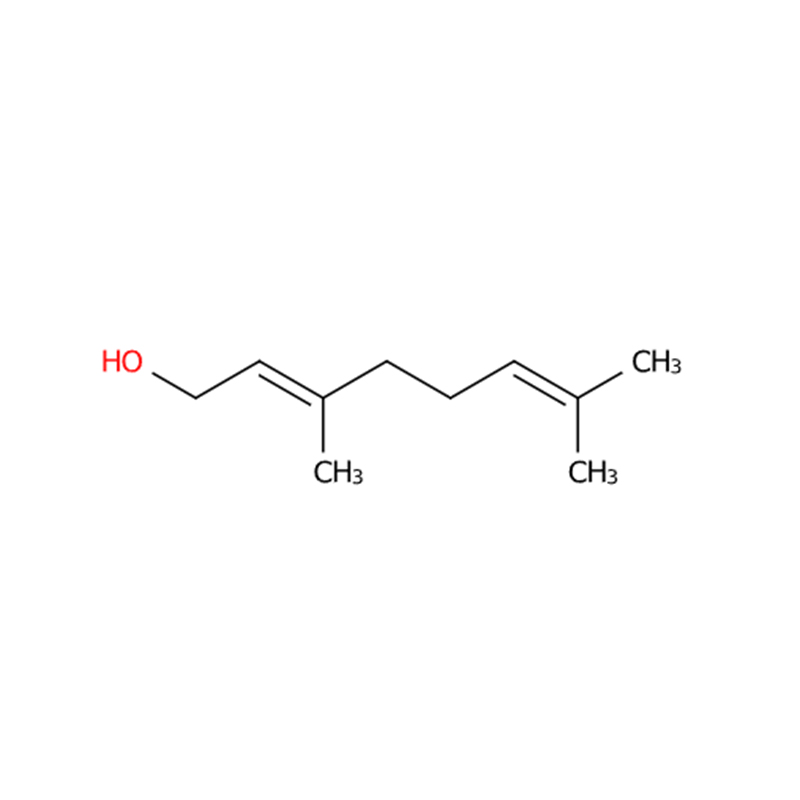

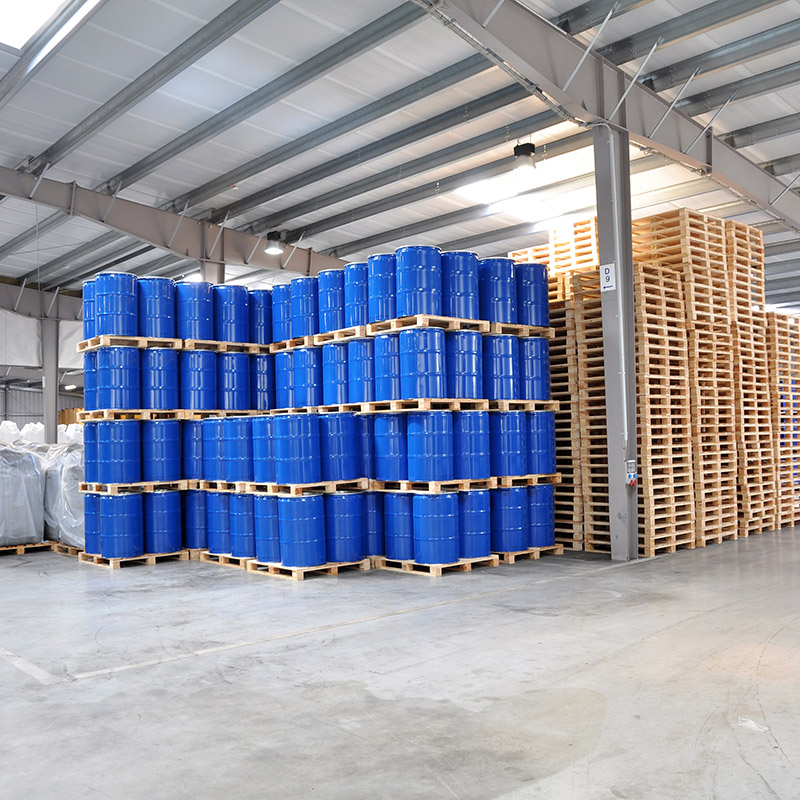
Geraniol CAS#106-24-1
Natural Floral Fragrance Profile: Geraniol is a naturally derived monoterpenoid alcohol with a pleasant rose-like aroma, making it highly valuable in perfumes, fragrances, and flavor formulations.
Wide Flavor Application Versatility: It is widely used as a flavor ingredient in various profiles, including peach, raspberry, grapefruit, apple, plum, lime, orange, lemon, and blueberry flavors.
Effective Plant-Based Insect Repellent: Geraniol provides excellent natural insect-repelling properties and can be used against mosquitoes, house flies, cockroaches, fleas, ticks, and other pests.
Natural Source and Multi-Functional Performance: Derived from plant oils such as rose oil, palmarosa oil, and citronella oil, Geraniol offers versatile applications across cosmetics, fragrances, flavors, and agricultural products.
Geraniol CAS#106-24-1
Geraniol is a monoterpenoid alcohol primarily found in natural plant oils, including rose oil, palmarosa oil, and citronella oil. It is also present in plants such as geraniums and lemongrass.
With its characteristic rose-like fragrance, Geraniol is widely used in perfume formulations and as a flavor ingredient in a variety of applications, including peach, raspberry, grapefruit, red apple, plum, lime, orange, lemon, and blueberry flavors.
In addition to its applications in fragrances and flavors, Geraniol is also an effective plant-derived insect repellent, commonly used for controlling mosquitoes, house flies, stable flies, cockroaches, fire ants, fleas, and lone star ticks. Meanwhile, its natural aroma can also serve as an attractant for bees.
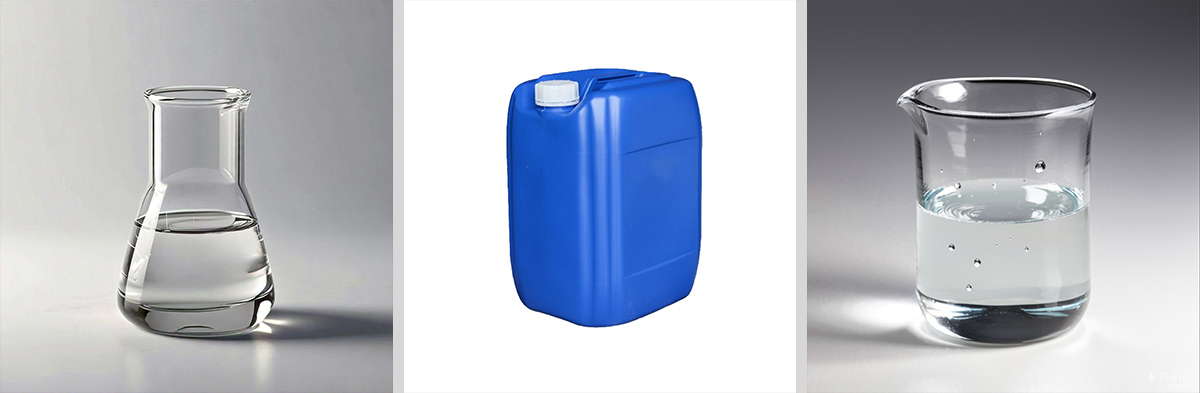
Geraniol Chemical Properties
| Melting point | -15 °C |
| Boiling point | 229-230 °C (lit.) |
| density | 0.879 g/mL at 20 °C (lit.) |
| vapor density | 5.31 (vs air) |
| vapor pressure | ~0.2 mm Hg ( 20 °C) |
| refractive index | n20/D 1.474(lit.) |
| FEMA | 2507 | GERANIOL |
| Fp | 216 °F |
| storage temp. | 2-8°C |
| solubility | water: soluble0.1g/L at 25°C |
| pka | 14.45±0.10(Predicted) |
| form | Liquid |
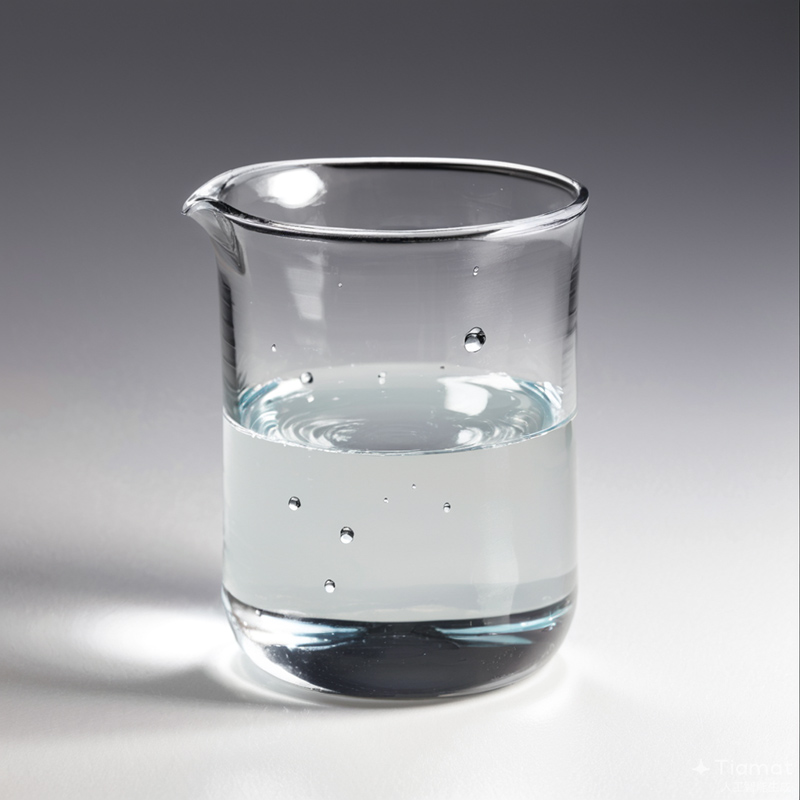
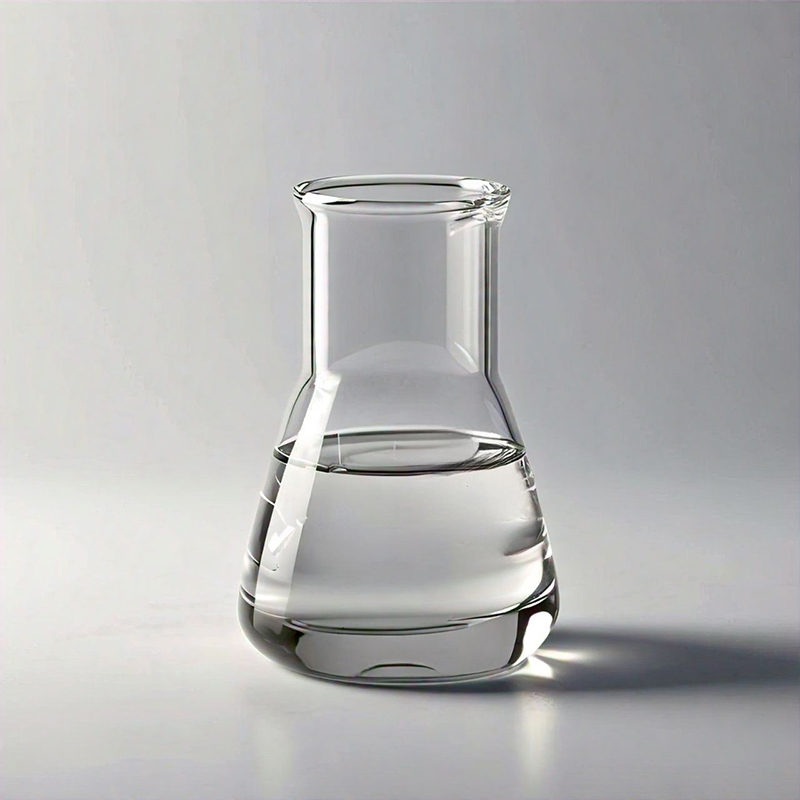
| color | Clear colorless to pale yellow |
| Specific Gravity | 0.878~0.885 (20/4℃) |
| Odor | at 100.00 %. sweet floral fruity rose waxy citrus |
| Odor Type | floral |
| biological source | synthetic |
| Water Solubility | PRACTICALLY INSOLUBLE |
| Merck | 144403 |
| JECFA Number | 1223 |
| BRN | 1722456 |
| Stability: | Stable. Combustible. Incompatible with strong oxidizing agents. |
| Major Application | flavors and fragrances |
| Cosmetics Ingredients Functions | TONIC |
| PERFUMING | |
| InChI | 1S/C10H18O/c1-9(2)5-4-6-10(3)7-8-11/h5,7,11H,4,6,8H2,1-3H3/b10-7+ |
| InChIKey | GLZPCOQZEFWAFX-JXMROGBWSA-N |
| SMILES | C\C(C)=C\CC\C(C)=C\CO |
| LogP | 2.6 at 25℃ |
| CAS DataBase Reference | 106-24-1(CAS DataBase Reference) |
| NIST Chemistry Reference | 2,6-Octadien-1-ol, 3,7-dimethyl-, (E)-(106-24-1) |
| EPA Substance Registry System | trans-Geraniol (106-24-1) |
Safety Information
| Hazard Codes | Xi |
| Risk Statements | 36/37/38-43-41-36-52/53-38 |
| Safety Statements | 26-36-24/25-36/37-61-36/37/39 |
| RIDADR | UN1230 - class 3 - PG 2 - Methanol, solution |
| WGK Germany | 1 |
| RTECS | RG5830000 |
| Hazard Note | Irritant |
| TSCA | TSCA listed |
| HS Code | 29052900 |
| Storage Class Hazard Classifications | 10 - Combustible liquids |
| Eye Dam. 1 | |
| Skin Irrit. 2 | |
| Skin Sens. 1 | |
| Hazardous Substances Data | 106-24-1(Hazardous Substances Data) |
| toxicity | The acute oral LD50 value in rats was reported as 3.6 g/kg (Jenner, Hagan, Taylor, Cook & Fitzhugh, 1964) and as 4.8 g/kg, while the iv UD 50 in rabbits was reported as 50 mg/kg (Yamawkai, 1962). The acute dermal LD50 value in rabbits was reported as > 5 g/kg (Moreno, 1972). |

Product Application of Geraniol CAS#106-24-1
Geraniol is widely present in terpene-containing essential oils, often in the form of esters. It is found in high concentrations in palmarosa oil (approximately 70–85%), as well as in geranium oil and rose oil. Geraniol is a colorless liquid with a characteristic floral, rose-like fragrance.
As an acyclic, di-unsaturated alcohol, Geraniol can participate in various chemical reactions, including rearrangement, cyclization, hydrogenation, oxidation, and esterification. In the presence of copper catalysts, it can be rearranged to produce citronellal. Under mineral acid conditions, it undergoes cyclization to form monocyclic terpene hydrocarbons, while protected hydroxy groups can lead to the formation of cyclogeraniol. Partial hydrogenation produces citronellol, and complete hydrogenation of its double bonds results in 3,7-dimethyloctan-1-ol (tetrahydrogeraniol). Citral can be obtained through oxidation or catalytic dehydrogenation of Geraniol, while geranyl esters are produced through esterification reactions.
Geraniol is one of the most widely used terpenoid fragrance ingredients. It is suitable for various floral and rose-type fragrance formulations and does not cause discoloration in soaps. In flavor applications, small amounts of Geraniol are used to enhance citrus notes. It also serves as an important intermediate for the production of geranyl esters, citronellol, and citral.