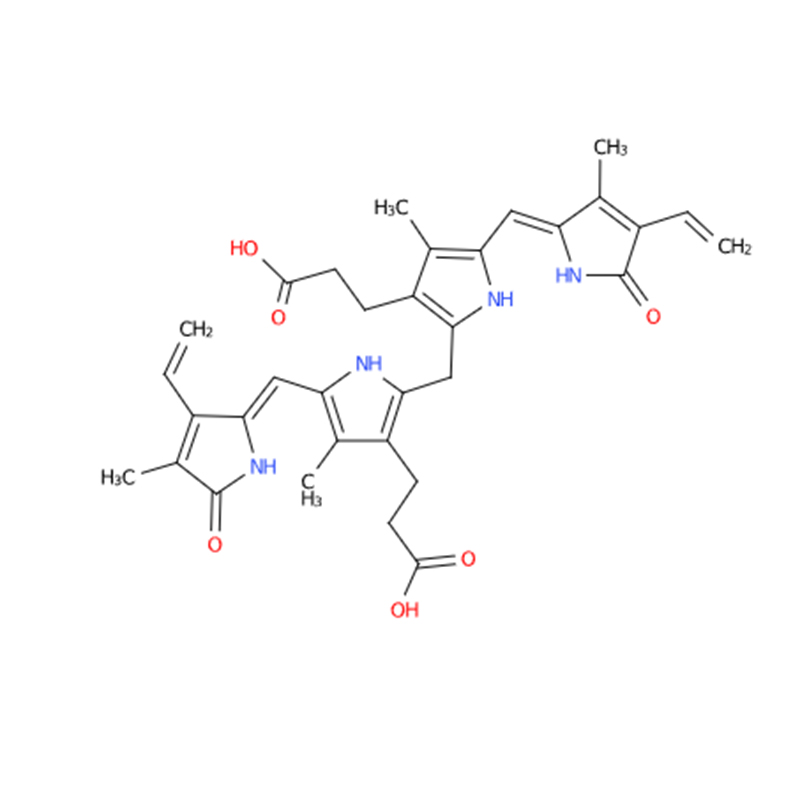
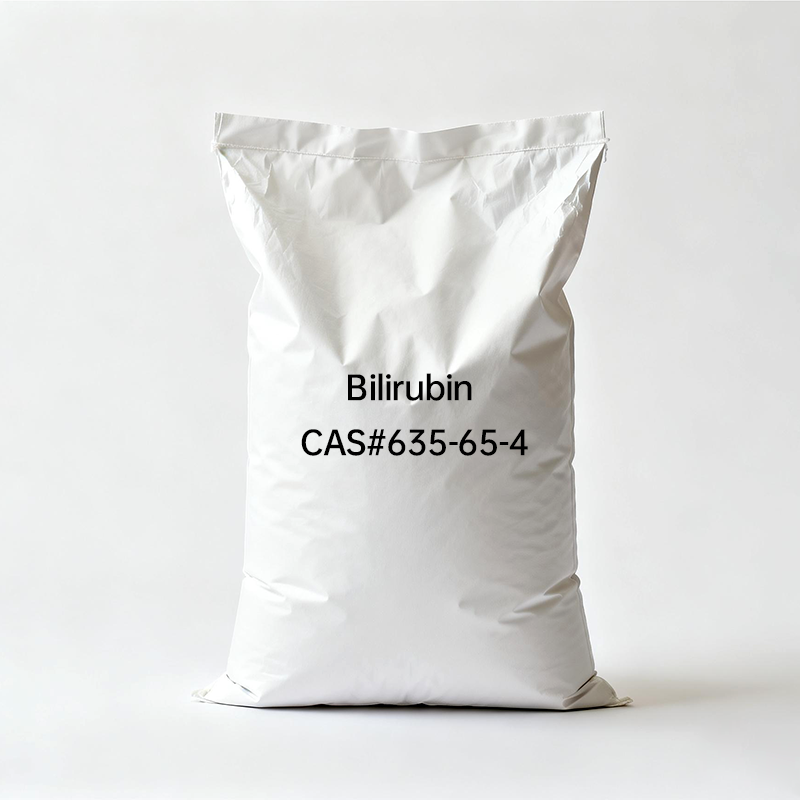

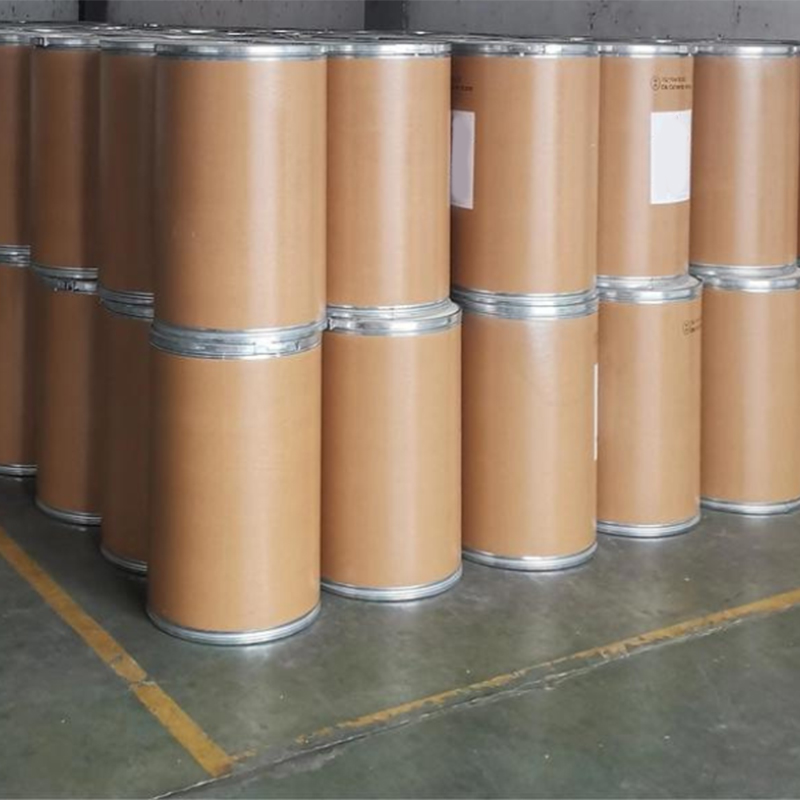
Bilirubin CAS#635-65-4
Natural Biological Active Compound: Bilirubin is a naturally occurring yellow pigment produced during heme metabolism and plays an important role in biological processes.
Strong Antioxidant Properties: It acts as an effective free radical scavenger, providing antioxidant activity that helps protect cells from oxidative stress.
Anti-Inflammatory Function: Bilirubin exhibits anti-inflammatory properties and contributes to the regulation of inflammatory responses in biological systems.
Ability to Scavenge Reactive Nitrogen Species: Free and albumin-bound bilirubin can effectively interact with nitric oxide (NO) and related reactive species, supporting its protective biological functions.
Product Description of Bilirubin CAS#635-65-4
Bilirubin is a yellow-colored breakdown product generated during heme catabolism. It is produced when heme is cleaved by heme oxygenase, a reaction that releases carbon monoxide and forms biliverdin, which is then rapidly converted into bilirubin through the action of biliverdin reductase.
Bilirubin plays important biological roles as a free radical scavenger and exhibits antioxidant and anti-inflammatory properties. Both free bilirubin and albumin-bound bilirubin are capable of scavenging nitric oxide (NO) and NO-related reactive species.
Unconjugated bilirubin has very low water solubility and must undergo conjugation with glucuronides to become water-soluble, after which it can be eliminated through the liver and kidneys.
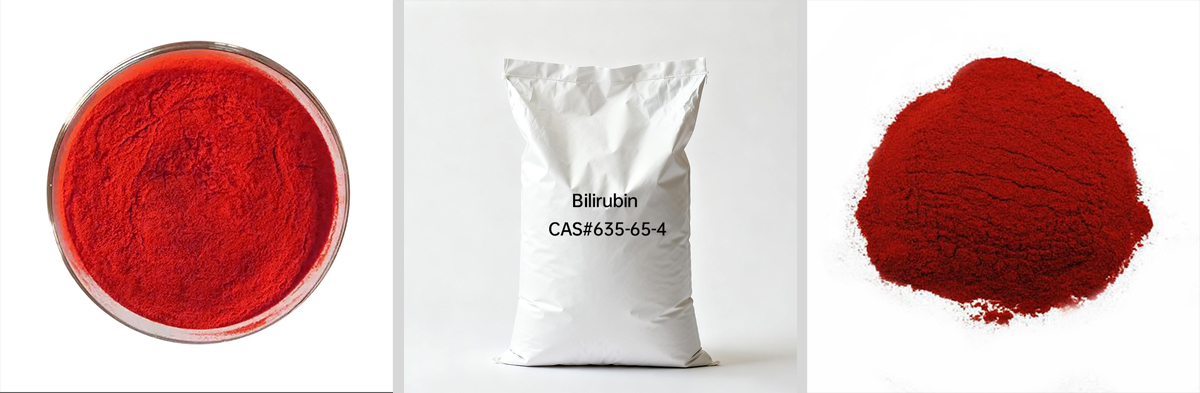
Bilirubin Chemical Properties
| Melting point | 192 °C |
| Boiling point | 641.7°C (rough estimate) |
| density | 1.2163 (rough estimate) |
| refractive index | 1.6000 (estimate) |
| storage temp. | -20°C |
| solubility | aqueous acid: soluble |
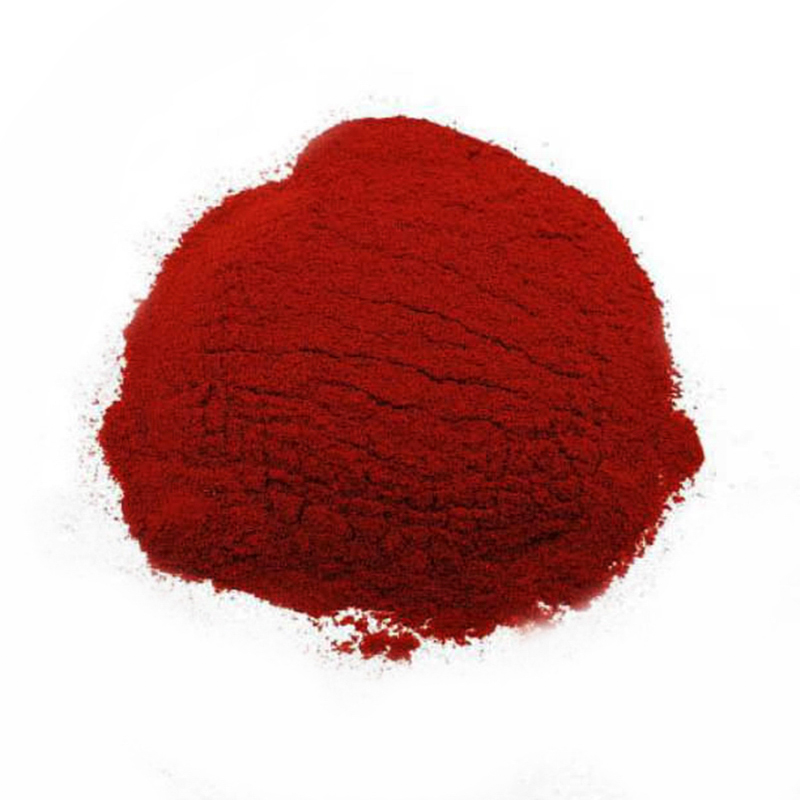
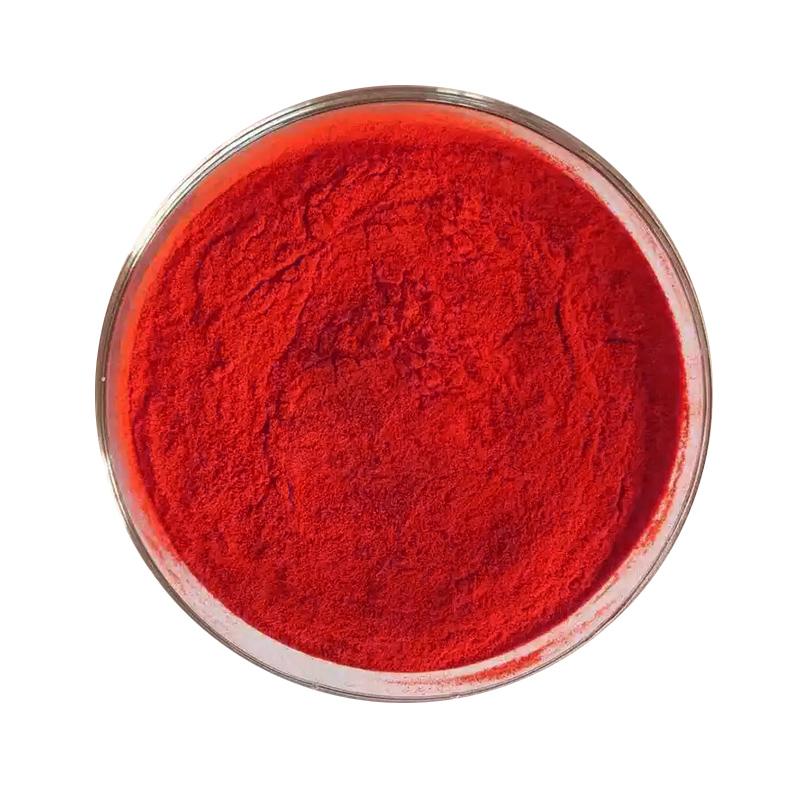
| form | powder |
| pKa | 4.62±0.10(Predicted) |
| color | orange |
| Water Solubility | practically insoluble |
| Sensitive | Light Sensitive |
| Merck | 141218 |
| BRN | 74376 |
| Stability: | Stable. Refrigerate. |
| Cosmetics Ingredients Functions | CHELATING |
| REDUCING | |
| ANTIOXIDANT | |
| InChIKey | BPYKTIZUTYGOLE-IFADSCNNSA-N |
| SMILES | CC1=C(C=C)\C(NC1=O)=C\c2[nH]c(Cc3[nH]c(\C=C4/NC(=O)C(C=C)=C4C)c(C)c3CCC(O)=O)c(CCC(O)=O)c2C |
| EPA Substance Registry System | Bilirubin (635-65-4) |
| Hazard Codes | Xn |
| Risk Statements | 62-36/37/38-20/21/22 |
| Safety Statements | 22-24/25-36-26 |
| WGK Germany | 2 |
| RTECS | DU3038000 |
| F | 8 |
| TSCA | TSCA listed |
| HS Code | 29339990 |
| Storage Class | 11 - Combustible Solids |

Product Application of Bilirubin CAS#635-65-4
Bilirubin is widely used as an indicator for evaluating liver function and related disorders, including hepatitis and cirrhosis, as well as for assessing the effects of drugs that may cause liver damage.
It also functions as a pigment in certain algae, where it participates in capturing light energy. Under light exposure, its double bonds can undergo isomerization, a property utilized in the phototherapy treatment of newborns with jaundice.
In addition, bilirubin is applied in the detection and evaluation of bile duct obstruction.