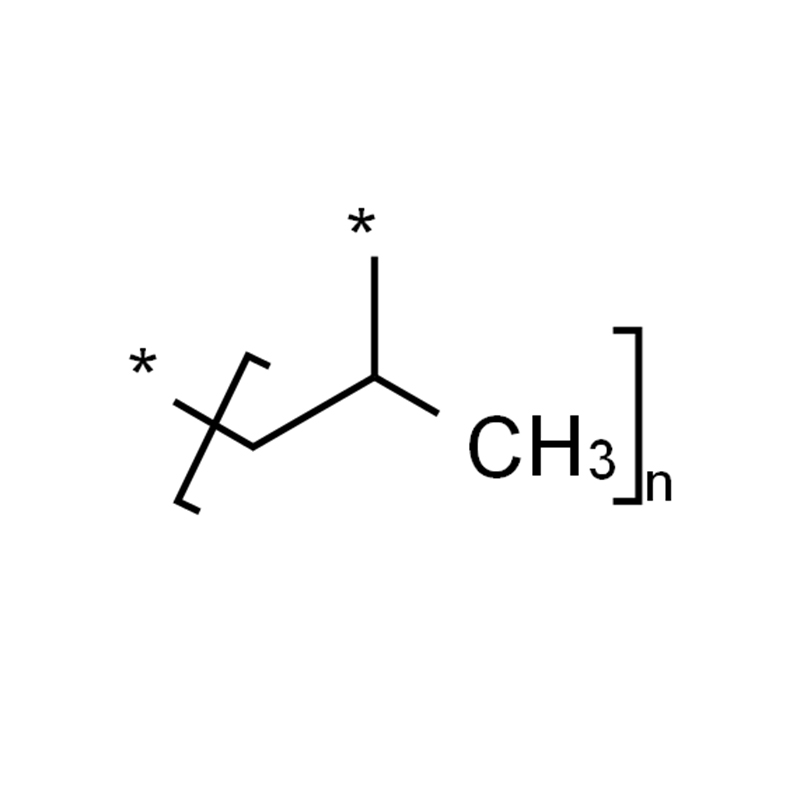
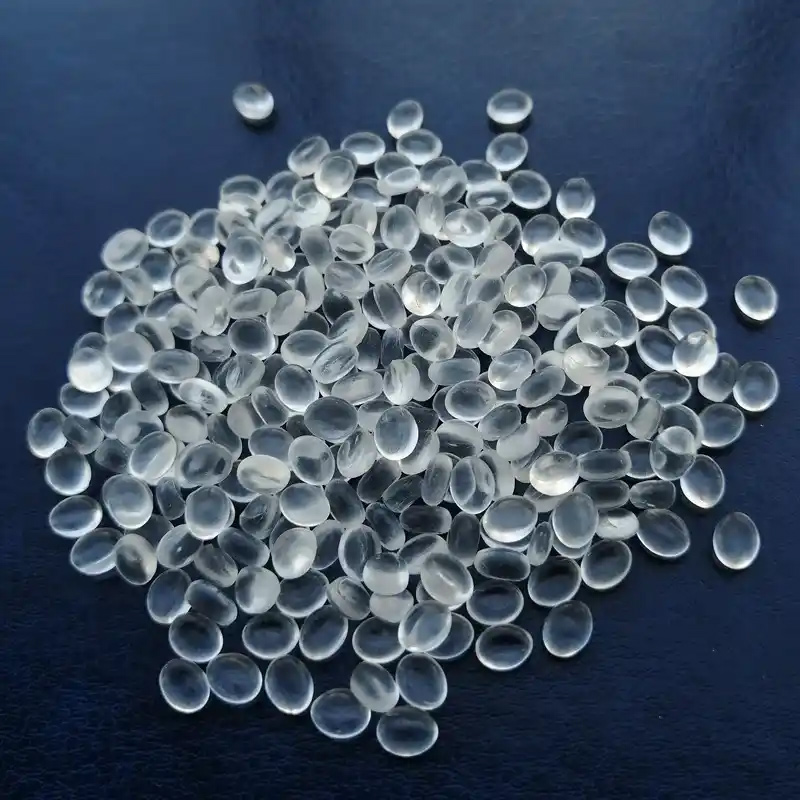
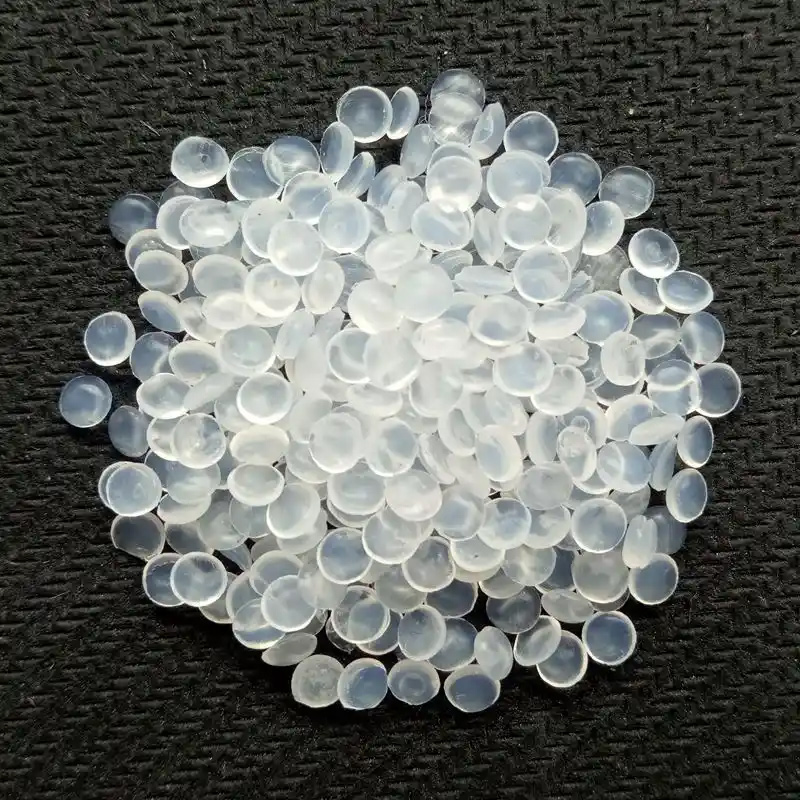
Polypropylene(PP) CAS#9003-07-0
Payment Terms: T/T only for orders. Please contact us for detailed payment terms and order requirements.
Flexible Molecular Weight Variants – Polypropylene exists in both low and high molecular weight forms, allowing it to meet different processing and application requirements.
Controlled Catalytic Production Process – It can be synthesized through well-established catalytic systems, ensuring efficient production and adjustable polymer characteristics.
High-Performance Polymer Structure – The material consists mainly of isotactic polypropylene, which provides superior mechanical strength and excellent thermoplastic properties.
Excellent Thermoplastic Processing Material – Polypropylene is widely used as a thermoplastic molding material, suitable for various industrial forming and manufacturing applications.
Polypropylene CAS#9003-07-0
Polypropylene is an anisotactic polymer that exists in both low and high molecular weight forms.
The low molecular weight polymer is produced by passing propene at moderate pressure over a heated phosphoric acid catalyst supported on an inert carrier at approximately 200°C. This process yields mainly trimer and tetramer products.
The high molecular weight polymer is obtained by introducing propene into an inert solvent such as heptane, containing a trialkyl aluminium compound and a titanium-based catalyst. The resulting product is a mixture of isotactic and atactic polypropylene, with isotactic polypropylene being the major component.
Polypropylene is widely used as a thermoplastic molding material in industrial applications.
Polypropylene Chemical Properties
| Melting point | 157 °C |
| Boiling point | 120-132 °C |
| density | 0.9 g/mL at 25 °C (lit.) |
| refractive index | n20/D 1.49(lit.) |
| Fp | >470 |
| storage temp. | -20°C |
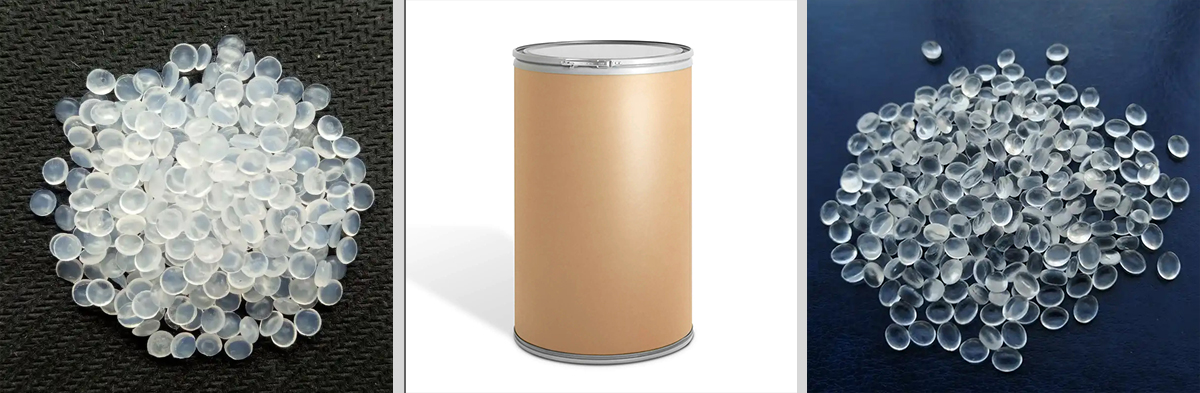
| form | particles (Spherical) |
| color | red |
| Odor | odorless |
| biological source | human |
| Merck | 137663 |
| Dielectric constant | 1.5(Ambient) |
| IARC | 3 (Vol. 19, Sup 7) 1987 |
| NIST Chemistry Reference | Polypropylene, atactic(9003-07-0) |
| EPA Substance Registry System | Polypropylene (9003-07-0) |
| WGK Germany | 3 |
| RTECS | UD1842000 |
| TSCA | Yes |
| HS Code | 39021000 |
| Hazardous Substances Data | 9003-07-0(Hazardous Substances Data) |
| Toxicity | LD50 intraperitoneal in rat: > 110gm/kg |
Product Application of Polypropylene CAS#9003-07-0
Polypropylene (PP) is a thermoplastic material widely used in various applications, including packaging, labeling, textiles, and more. Due to its excellent processability and low production cost, PP is one of the most widely produced polymers, particularly in the automotive industry.
Virgin polypropylene shows good resistance to photo-oxidation and thermal oxidation at moderate temperatures. However, it is sensitive to environmental aging factors such as heat, light, and radiation, which results in a relatively limited service temperature range.
When exposed to high temperatures or irradiation, the tertiary hydrogen atoms in PP molecular chains are prone to oxidation reactions with oxygen. It is well recognized that the aging of PP under outdoor conditions is influenced by both light and temperature. In addition, PP can undergo photodegradation, as its molecular chains are affected by ultraviolet light in the wavelength range of 310–350 nm.