Poly(butylene terephthalate) CAS#26062-94-2
Excellent Mechanical Strength: Polybutylene terephthalate (PBT) possesses high mechanical strength and outstanding structural stability, making it suitable for demanding engineering applications.
Superior Chemical Resistance: PBT resin offers excellent resistance to various chemicals, ensuring reliable performance and long-term durability in harsh environments.
Outstanding Electrical Insulation Properties: With excellent electrical insulation performance, PBT is widely used in electronic and electrical components requiring stable insulating characteristics.
High-Performance Engineering Plastic: As one of the major engineering plastics, PBT combines crystallinity, dimensional stability, and good processing properties, providing versatile solutions for automotive, electronics, and industrial applications.
Products Description of Polybutylene Terephthalate (PBT)
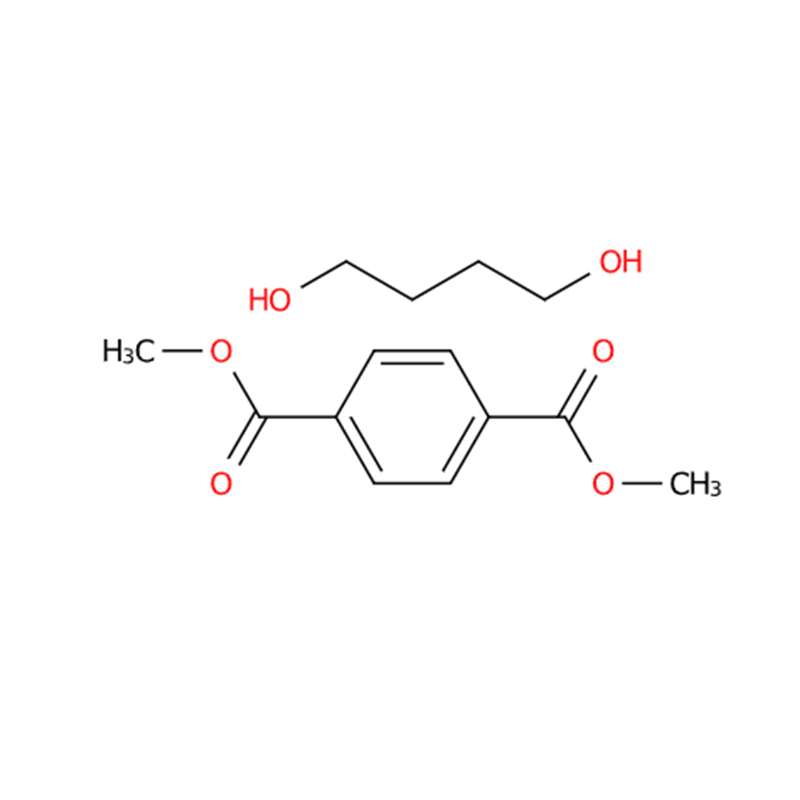
Polybutylene terephthalate (PBT), also known as polytetramethyl terephthalate, is a translucent to opaque crystalline thermoplastic polyester resin. It is produced through the condensation polymerization of terephthalic acid and 1,4-butanediol, forming a high-performance crystalline polyester material.
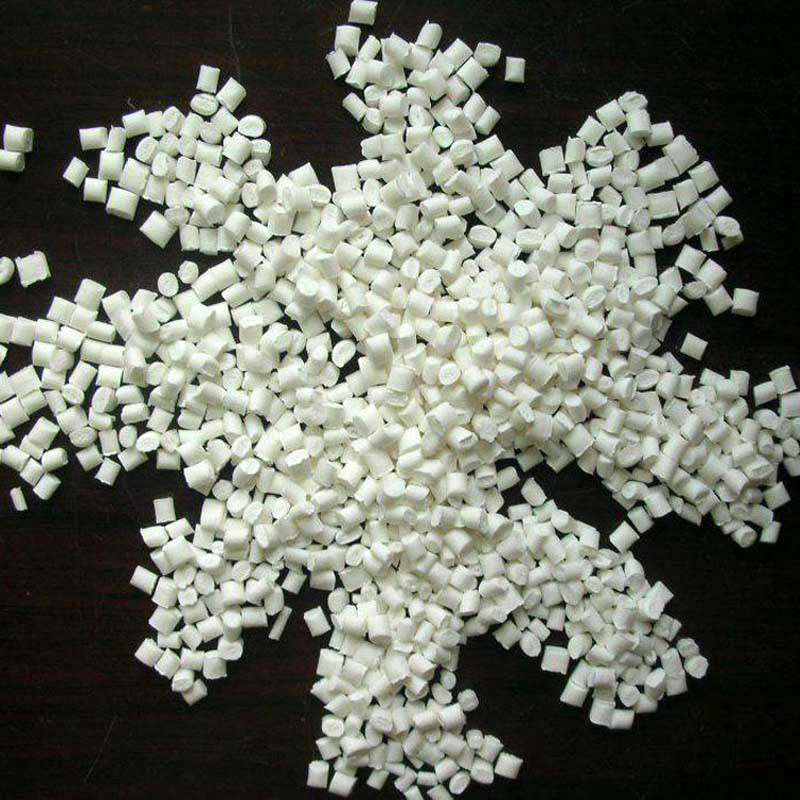
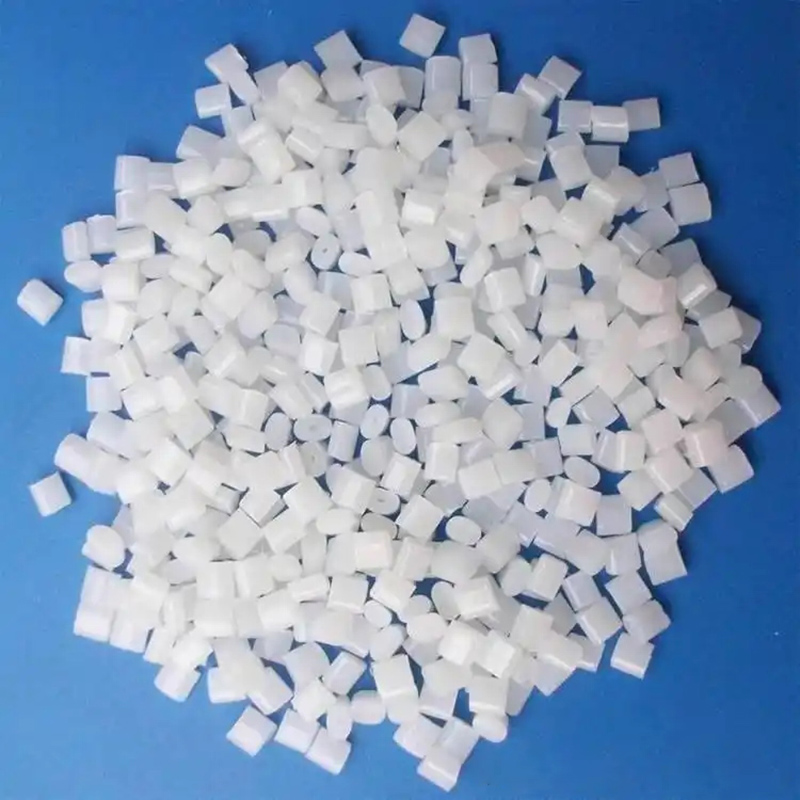
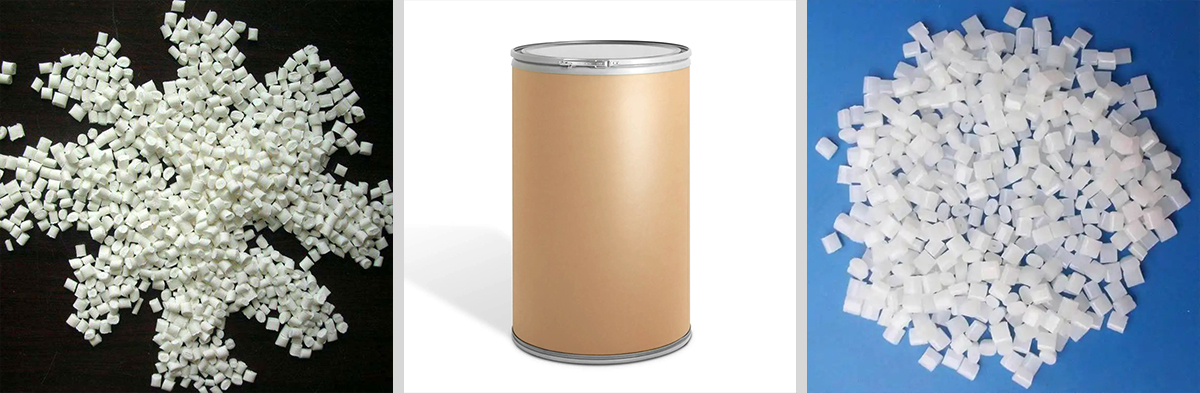
As one of the five major engineering plastics, PBT features excellent mechanical strength, outstanding chemical resistance, and superior electrical insulation properties. Its chemical formula is (C₁₂H₁₂O₄)n, with a relative molecular weight ranging from 30,000 to 40,000. It typically appears as a milky white or light yellow material with a glossy surface and has a density of 1.31–1.55 g/cm³.
| English Name | Poly(butylene terephthalate) |
| English Synonyms | terephthalicacid-tetramethyleneglycolpolymer;tetramethylenediol-terephthalicacidpolymer;tetramethylene glycol-terephthalicacidpolymer;Thermocomp WC-1006;Ultradur B 2550;Ultradur B 4300 G10;Ultradur B 450 0;Ultradur KR 4001 |
| CAS Number | 26062-94-2 |
| Molecular Formula | C12H1606 |
| Molecular Weight | 256.25 |
| EINECS Number | 607-857-5 |
| Melting point | 226°C |
| Density | 1.31 g/mL at 25 °C(lit.) |
| Storage conditions | -70°C |
| Form | granular |
| Biological origin | human |
| Specific Activity | 6-8nmol/min-mg |
| Cosmetic ingredients and efficacy | Viscosity control Film-forming agent |
| InChI | InChI=1S/C8H604.C4H1002/c9-7(10)5-1-2-6(4-3-5)8(11)12;5-3-1-2-4-6/h1-4H,(H,9,10)(H,11,12);5-6H,1-4 H2 |
| InChIKey | PCVVBHUFWPHCAL-UHFFFAOYSA-N |
| SMILES | C(C1C=CC(C(=O)O)=CC=1)(=O)O.C(CO)CCO |
Product Application of Polybutylene Terephthalate (PBT) Resin
Polybutylene terephthalate (PBT) resin is extensively utilized in structural components across various industries, including automotive, electronics, electrical appliances, machinery, and instrumentation. Glass fiber-reinforced PBT combined with flame retardants is widely applied in flame-resistant components for televisions, such as output transformer frames and bases, as well as connectors and switches for different electrical devices.
PBT can also be blended with other polymers to produce plastic alloys, with the automotive sector representing the largest application market. These materials are commonly used in automotive components such as bumpers and ignition system parts. In addition, PBT-based polymer alloys are gaining increasing application in the food industry, including the production of microwave oven heating containers capable of withstanding temperatures above 160°C.