Poly(acrylic acid) CAS#9003-01-4
Payment Terms: T/T only for orders. Please contact us for detailed payment terms and order requirements.
Excellent Water Compatibility: PAA is highly hydrophilic and readily interacts with water, making it suitable for a wide range of aqueous formulations.
Effective Thickening and Dispersing Performance: Its sodium, potassium, and ammonium salts provide effective thickening and dispersing properties for natural and synthetic latex systems.
Versatile Formulation Applications: PAA can modify aqueous formulations used in cleaners, binders, adhesives, emulsion paints, and other industrial products.
Good Chemical and Biological Stability: PAA is resistant to hydrolysis and bacterial degradation, supporting stable performance during storage and use.
Poly(acrylic acid) CAS#9003-01-4
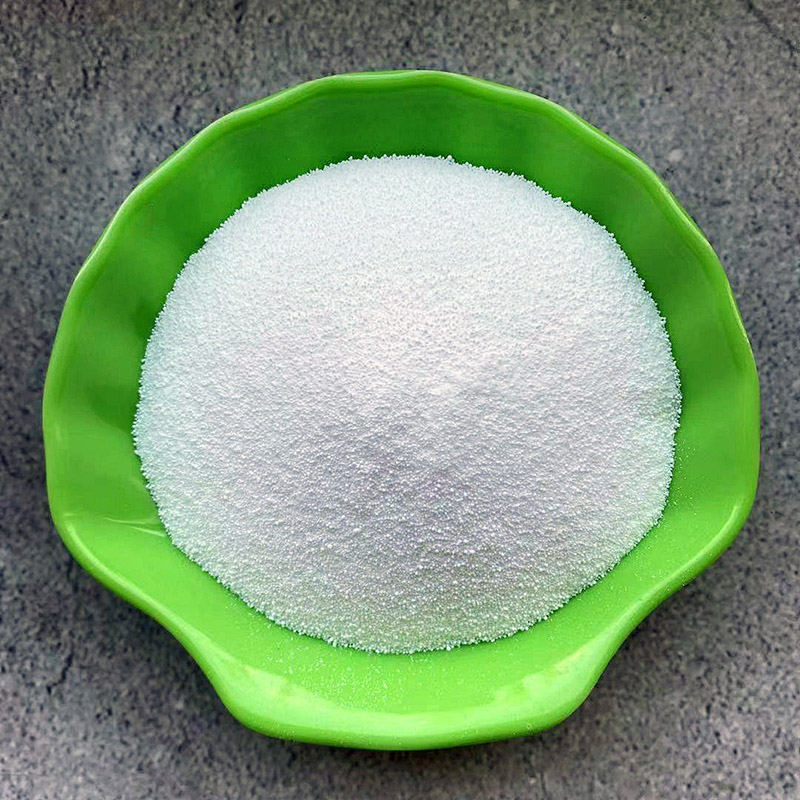
Poly(acrylic acid) (PAA) is a hygroscopic, brittle, and colorless material with a glass transition temperature (Tg) of approximately 106°C. When heated above 200–250°C, it loses water and forms an insoluble, crosslinked polymeric anhydride. The water solubility of dried PAA increases as the temperature rises. Concentrated aqueous solutions of PAA exhibit thixotropic properties.
PAA is a hydrophilic colloidal material with properties similar to those of water-soluble natural gums. It forms a clear, colorless, viscous, and stable solution. It is widely used to modify aqueous formulations for applications such as cleaners, binders, adhesives, and emulsion paints. The sodium, potassium, and ammonium salts of PAA provide effective thickening and dispersing properties and are suitable for both natural and synthetic latex systems.
In ceramic applications, PAA can improve dry strength, enhance dispersing performance, and improve the workability of clay materials. In addition, PAA offers good hydrolytic stability and is resistant to bacterial degradation.
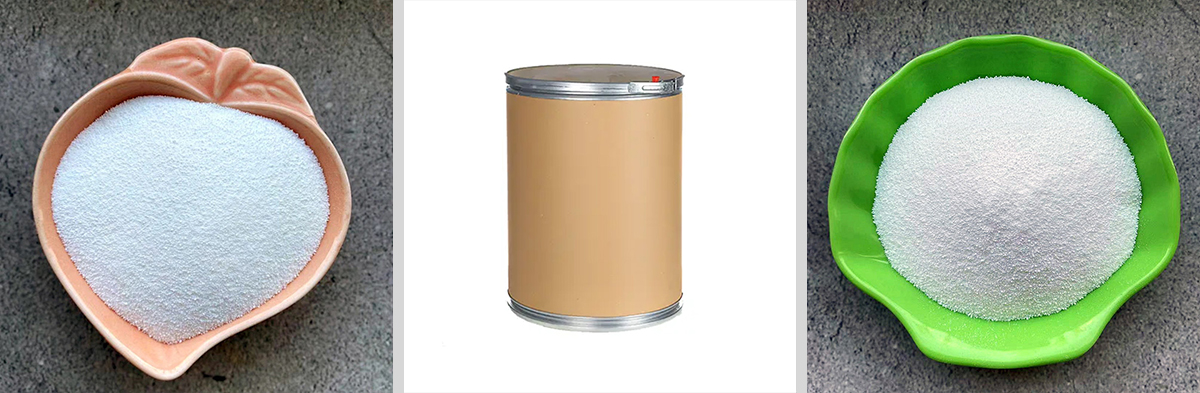
Poly(acrylic acid) Chemical Properties
| Melting point | 95 °C |
| Boiling point | 116 °C |
| density | 1.2 g/mL at 25 °C |
| Tg | 106 |
| vapor pressure | 2.64-3.57hPa at 20-25℃ |
| refractive index | n20/D 1.442 |
| Fp | 100 °C |
| storage temp. | 2-8°C |
| solubility | Swellable in water and glycerin and, after neutralization, in ethanol (95%). Carbomers do not dissolve but merely swell to a remarkable extent, since they are three-dimensionally crosslinked microgels. |
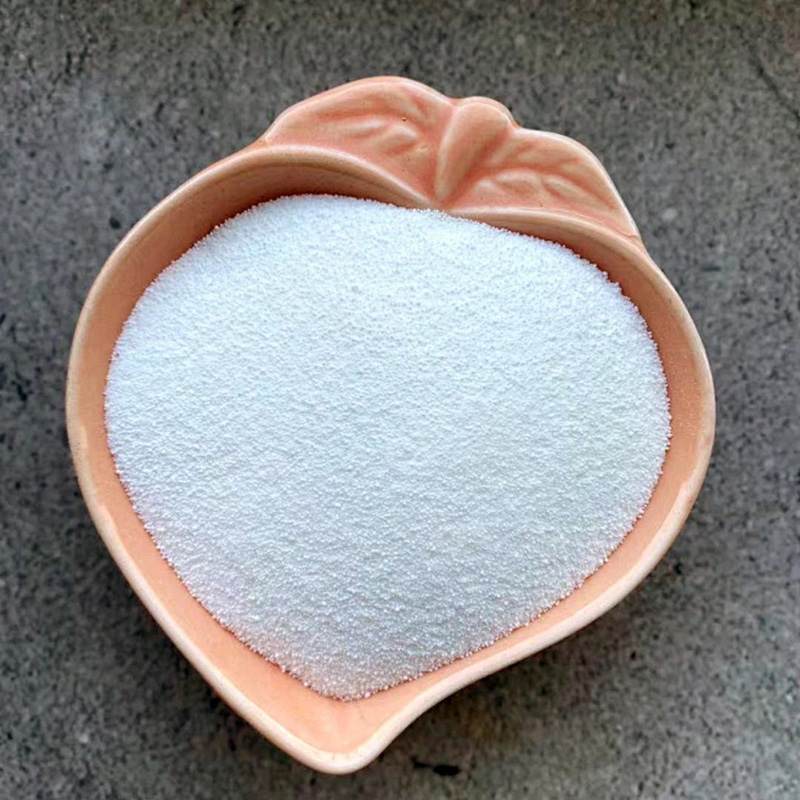
| form | Powder |
| color | White |
| pH | 2.5 -3.0 (1% water solution) |
| Water Solubility | Soluble in water. |
| Dielectric constant | 2.7 - 4.5(0.0℃) |
| Cosmetics Ingredients Functions | FILM FORMING |
| BINDING | |
| GEL FORMING | |
| VISCOSITY CONTROLLING | |
| EMULSION STABILISING | |
| InChI | 1S/C3H4O2.Na/c1-2-3(4)5;/h2H,1H2,(H,4,5);/q;+1/p-1 |
| InChIKey | WLAMNBDJUVNPJU-UHFFFAOYSA-N |
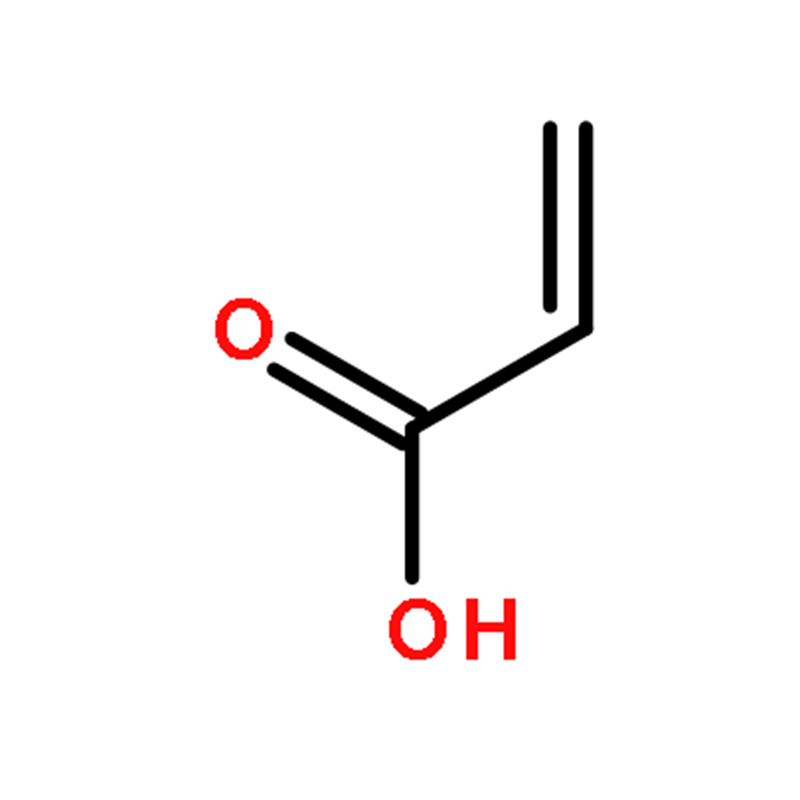
| SMILES | OC(=O)C=C |
| LogP | 0.23-0.27 at 20℃ and pH3.59-3.63 |
| IARC | 3 (Vol. 19, Sup 7) 1987 |
| EPA Substance Registry System | Polyacrylic acid (9003-01-4) |
| Hazard Codes | C,T,Xi |
| Risk Statements | 45-46-34-36/37/38 |
| Safety Statements | 53-45-36-27-26 |
| WGK Germany | 1 |
| RTECS | AT4680000 |
| TSCA | TSCA listed |
| HS Code | 39069090 |
| Storage Class | 10 - Combustible liquids |
| Hazard Classifications | Aquatic Acute 1 |
| Aquatic Chronic 2 | |
| Eye Dam. 1 | |
| STOT SE 3 | |
| Hazardous Substances Data | 9003-01-4(Hazardous Substances Data) |
| Toxicity | LD50 oral in rat: 2500mg/kg |
Product Application of Poly(acrylic acid) CAS#9003-01-4
Polyacrylic acid (PAA) and its derivatives are widely used in disposable diapers, ion-exchange resins, and adhesives. They are also commonly used as thickening, dispersing, suspending, and emulsifying agents in pharmaceuticals, cosmetics, and paints. PAA can inactivate the antiseptic chlorhexidine gluconate.