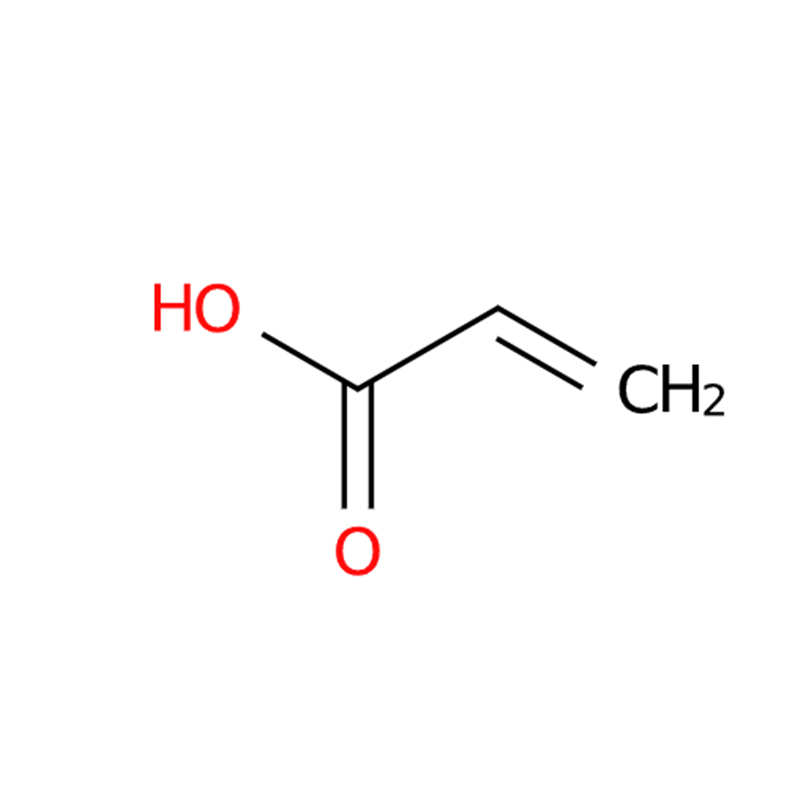
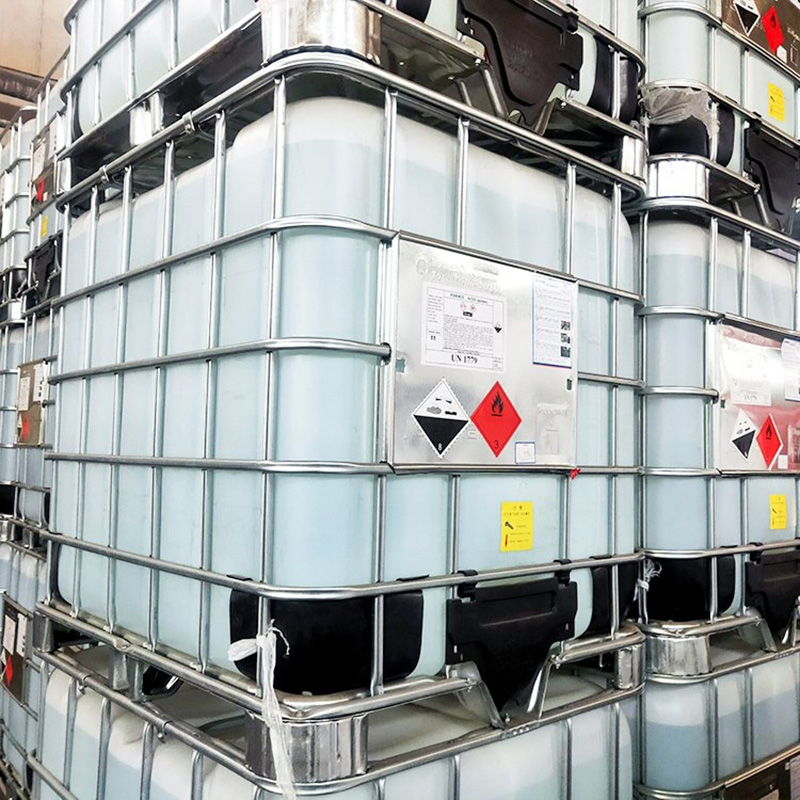
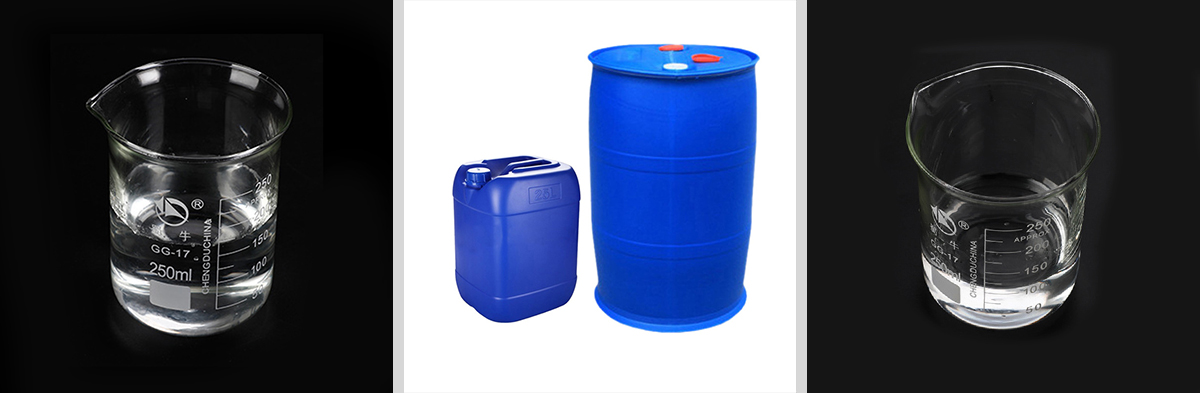
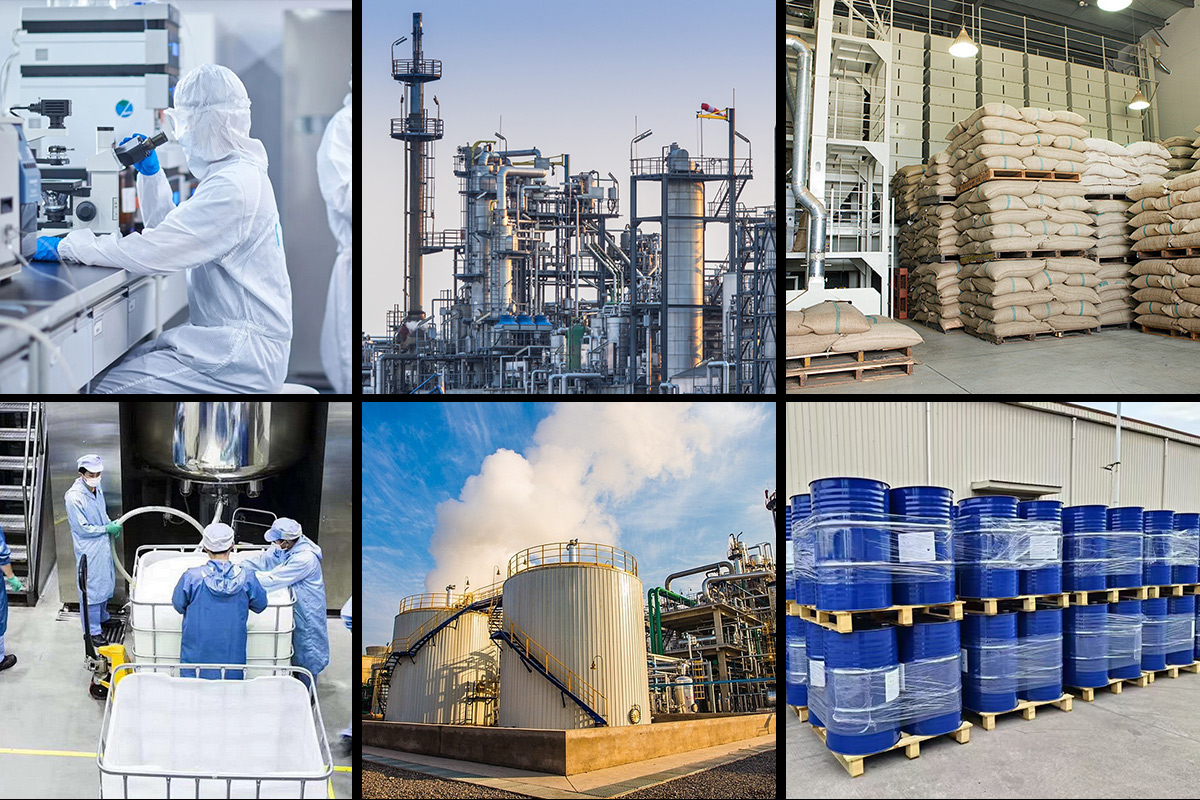
Acrylic acid CAS#79-10-7

  • Payment Terms: T/T only for orders. Please contact us for detailed payment terms and order requirements.

  • High Purity Chemical Raw Material: Features industrial-grade purity of ≥99%, providing reliable quality and stable performance for various applications.

  • Excellent Solubility Properties: Completely miscible with water and soluble in ethanol, ether, and chloroform, offering good compatibility in chemical formulations.

  • High Chemical Reactivity: Possesses strong reactive properties and can readily undergo polymerization, making it an important monomer for polymer production.

  • Versatile Industrial Applications: Serves as a key raw material in the manufacture of polymers, coatings, adhesives, and other acrylic-based chemical products. 


Contact Now E-Mail Telephone WhatsApp
Product Details

Products Description of Acrylic Acid CAS#79-10-7

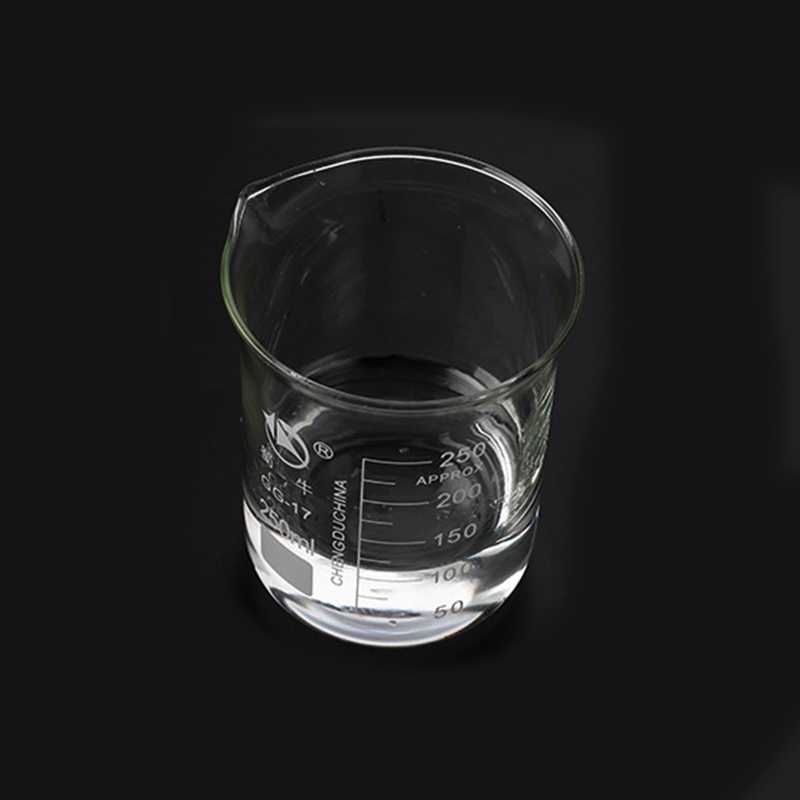
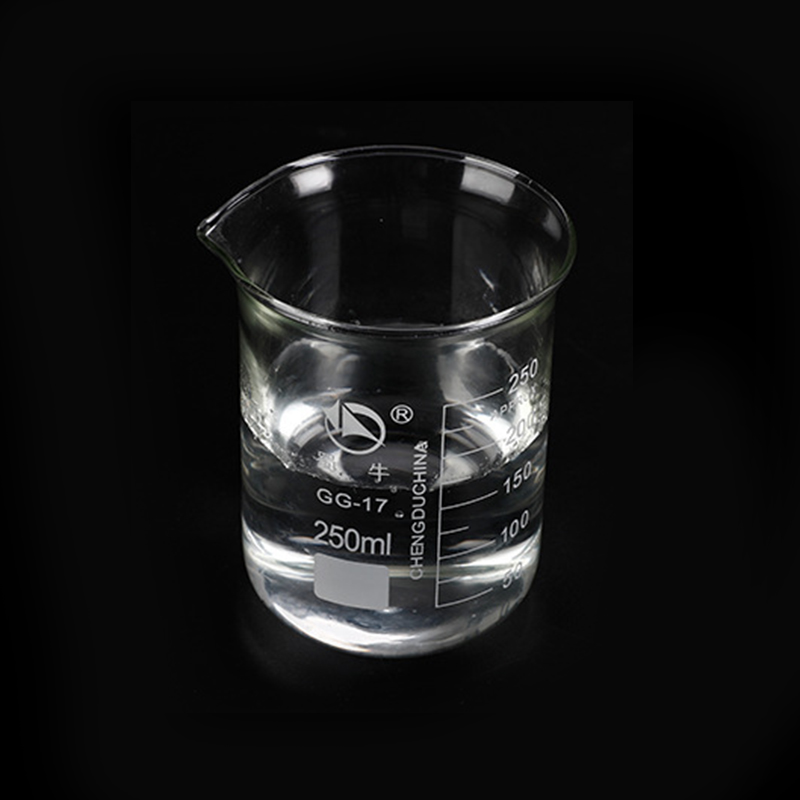
Industrial-grade acrylic acid has a purity of ≥99% and appears as a colorless, transparent liquid with a strong irritating odor. It has a melting point of 13.5°C, a boiling point of 141°C, a vapor pressure of 0.4 kPa at 25°C, and a relative density of 1.0511 at 20°C.

Acrylic acid is completely miscible with water and is also soluble in ethanol, ether, and chloroform. Due to its high chemical reactivity, it is prone to polymerization and should be kept away from strong oxidizing agents, bases, and initiators.

Acrylic acid CAS#79-10-7

Parameters

Melting point 13 °C (lit.)
Boiling point 139 °C (lit.)
density 1.051 g/mL at 25 °C (lit.)
vapor density 2.5 (vs air)
vapor pressure 4 mm Hg ( 20 °C)
refractive index n20/D 1.421
Fp 130 °F
storage temp. Store at +15°C to +25°C.
solubility 1000g/l
form Liquid
pka4.25(at 25℃)
color Clear
OdorAcrid odor
PH Range46024
PH3.68(1 mM solution);3.14(10 mM solution);2.63(100 mM solution);
explosive limit3.9-19.8%(V)
Water Solubility MISCIBLE
Sensitive Air Sensitive
λmax231nm(lit.)
Merck 14130
BRN 635743
Exposure limitsTLV-TWA 10 ppm (30 mg/m3) (ACGIH).
Stability:Stability Unstable - may contain p-methoxyphenol as an inhibitor. Prone to hazardous polymerization. Combustible. Incompatible with strong oxidizing agents, strong bases, amines. Contact with oxidizers may cause fire. Light and air sensitive. Hygroscopic.
Cosmetics Ingredients FunctionsNAIL CONDITIONING
LogP0.46 at 25℃
CAS DataBase Reference79-10-7(CAS DataBase Reference)
NIST Chemistry Reference2-Propenoic acid(79-10-7)
IARC3 (Vol. 19, Sup 7, 71) 1999
EPA Substance Registry SystemAcrylic acid (79-10-7)
ECETOC JACC REPORTAcrylic acid (79-10-7)
Hazard Codes C,N
Risk Statements 10-20/21/22-35-50
Safety Statements 26-36/37/39-45-61
RIDADR UN 2218 8/PG 2
OEBB
OELTWA: 2 ppm (6 mg/m3) [skin]
WGK Germany 1
RTECS AS4375000
46247
Autoignition Temperature744 °F
TSCA Yes
HazardClass 8
PackingGroup II
HS Code 29161110
Hazardous Substances Data79-10-7(Hazardous Substances Data)
ToxicityLD50 orally in rats: 2.59 g/kg (Smyth)

Acrylic acid CAS#79-10-7

Product Application of Acrylic Acid CAS#79-10-7

Acrylic acid exhibits the typical chemical reactions of carboxylic acids and can react with alcohols to produce corresponding acrylate esters. The esters and salts derived from acrylic acid are collectively referred to as acrylates (or propenoates). Among them, the most commonly used alkyl acrylates include methyl acrylate, butyl acrylate, ethyl acrylate, and 2-ethylhexyl acrylate.
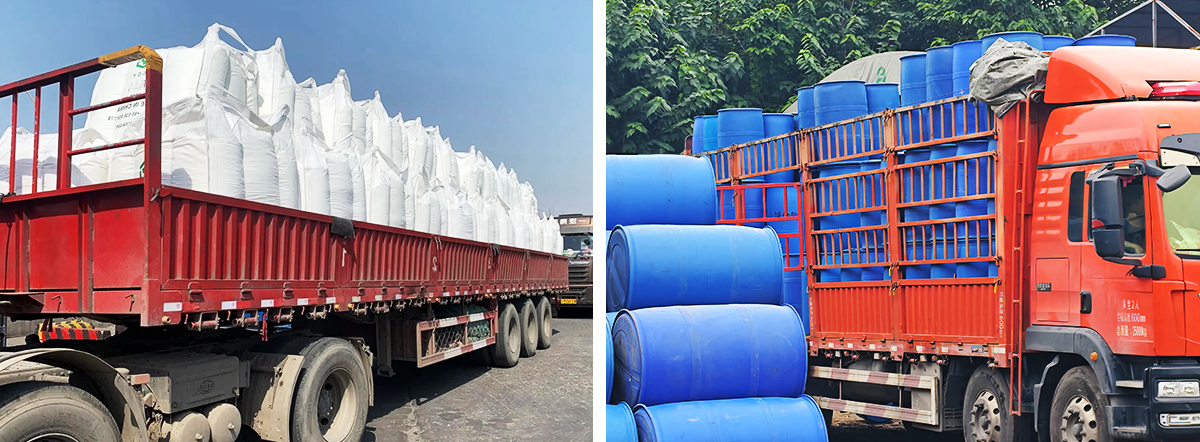
Acrylic acid CAS#79-10-7

Leave your messages

Related Products

x

Popular products

x