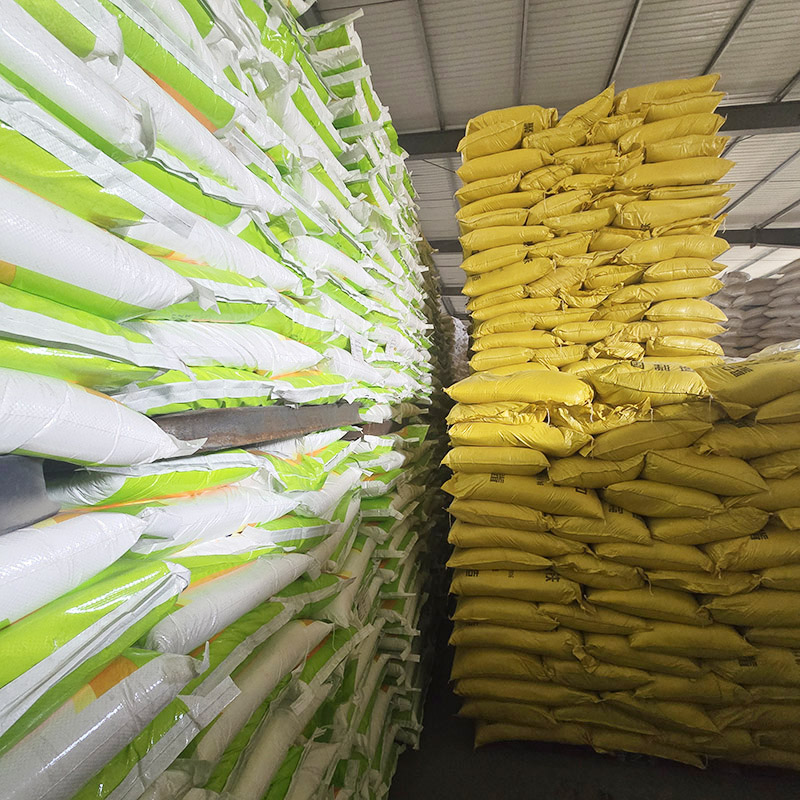
4-Morpholineethanesulfonic Acid CAS#4432-31-9
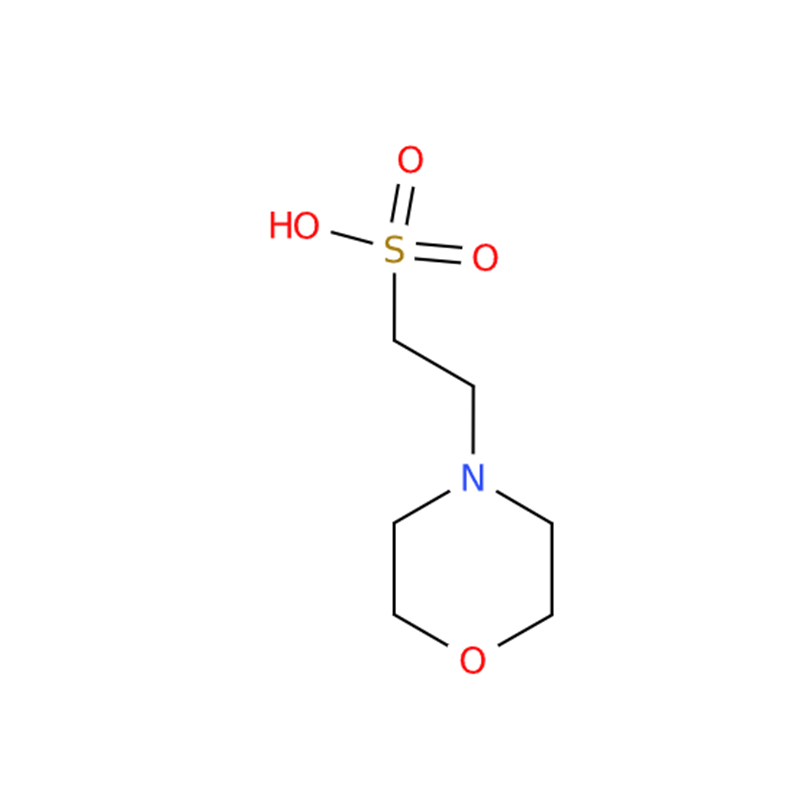
4-Morpholineethanesulfonic acid (MES) is one of Good’s buffers and is among the most widely used biological buffers. MES is a zwitterionic, N-substituted aminosulfonic acid containing a morpholine ring.
MES does not readily form complexes with most of the metals commonly used in environmental and biological studies. It is readily soluble in water and has minimal lipid solubility, making it relatively impermeable to biological membranes.
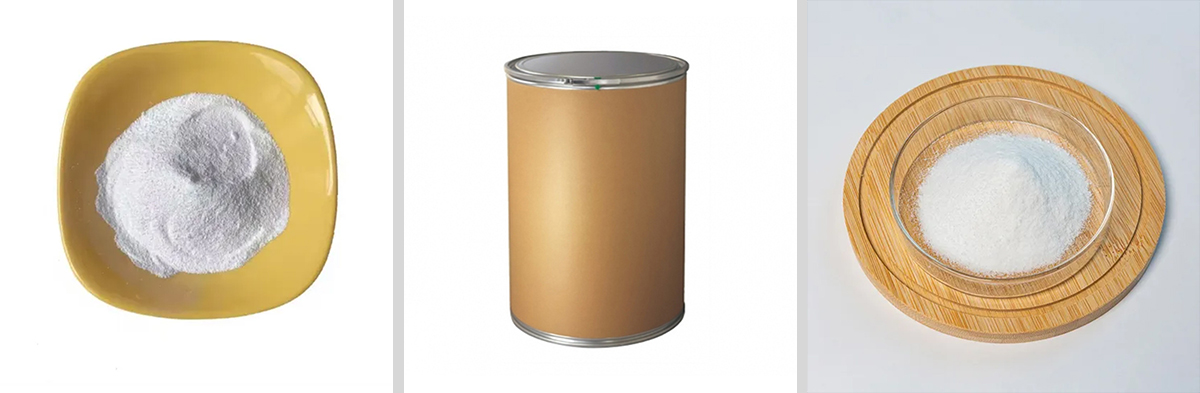
4-Morpholineethanesulfonic acid Chemical Properties
| Melting point | >300 °C(lit.) |
| Boiling point | 102°C |
| density | 1.208 (estimate) |
| refractive index | 1.5500 (estimate) |
| storage temp. | 2-8°C |
| solubility | H2O: 0.5 M at 20 °C, clear |
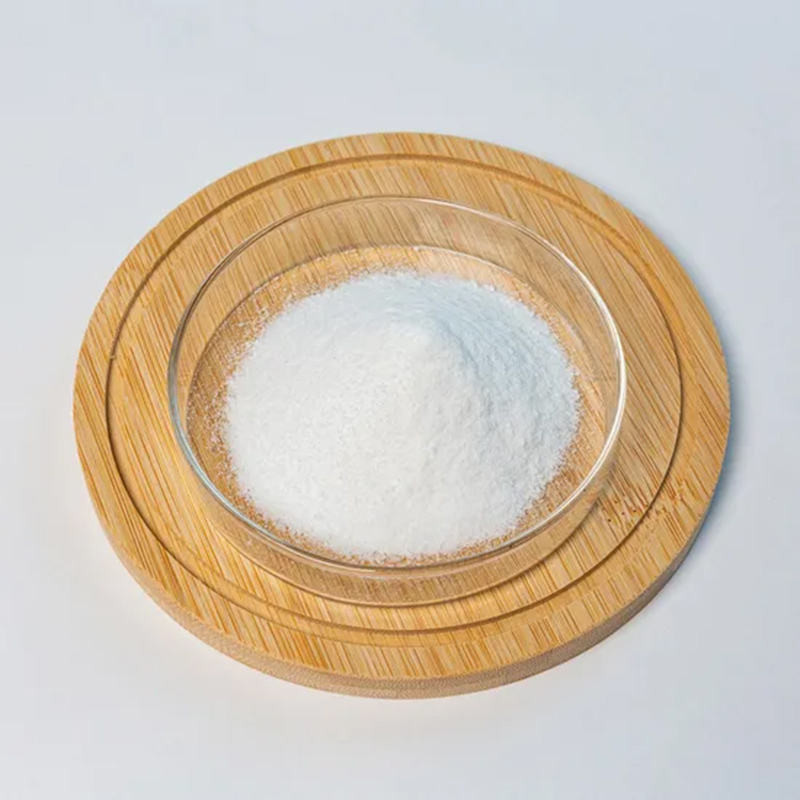
| form | Powder |
| pka | pKa at 0.1M ionic: 0°, 6.38; 20°, 6.15; 37°, 5.98; pKa1 1.99; pKa2 6.21; pKa/°C -0.011 |
| color | White |
| PH | 2.5-4.0 (25℃ in neat) |
| PH Range | 5.5 - 6.7 |
| Water Solubility | 185.2g/L at 20℃ |
| λmax | λ: 260 nm Amax: 0.01 |
| λ: 280 nm Amax: 0.01 | |
| Merck | 135929 |
| BRN | 6350956 |
| Stability: | Stable. Incompatible with strong oxidizing agents. |
| InChIKey | SXGZJKUKBWWHRA-UHFFFAOYSA-N |
| LogP | -2.2 at 20℃ |
| CAS DataBase Reference | 4432-31-9(CAS DataBase Reference) |
| EPA Substance Registry System | 4-Morpholineethanesulfonic acid (4432-31-9) |
| Hazard Codes | Xi |
| Risk Statements | 36/37/38 |
| Safety Statements | 26-36-24/25-22 |
| WGK Germany | 1 |
| RTECS | QE9104530 |
| TSCA | TSCA listed |
| HS Code | 29349990 |
Product Application of 4-Morpholineethanesulfonic Acid CAS#4432-31-9
4-Morpholineethanesulfonic acid (MES) is one of Good’s buffers and is widely used as a biological buffer. It is a zwitterionic, N-substituted aminosulfonic acid containing a morpholine ring. MES does not readily form complexes with most metals commonly used in environmental and biological studies. It is readily soluble in water and has minimal lipid solubility, making it relatively impermeable to biological membranes.
MES can also be used as a component of elution buffers for the elution of plasma from α2-macroglobulin affinity columns. In addition, it has been used as an activation buffer during antibody conjugation to microparticles. MES is also utilized in the functionalization of microchannels during the development of microfluidic-integrated surface plasmon resonance (SPR) platforms for pathogen detection.