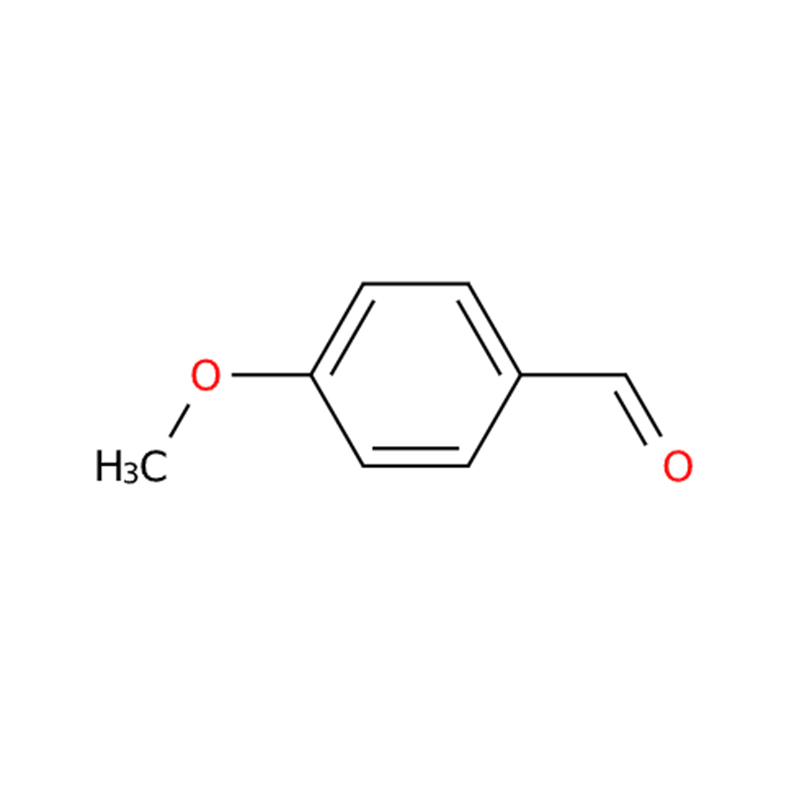

p-Anisaldehyde CAS#123-11-5
Payment Terms: T/T only for orders. Please contact us for detailed payment terms and order requirements.
Distinctive Hawthorn-Like Aroma – Features a characteristic fragrance similar to hawthorn, making it suitable for a variety of fragrance formulations.
Excellent Organic Solvent Solubility – Easily soluble in ethanol, ethyl ether, acetone, chloroform, and most organic solvents, supporting flexible formulation and processing.
Natural Botanical Occurrence – Naturally found in fennel oil, cumin oil, dill oil, acacia flowers, and balsam pear extract, providing a plant-derived source.
Versatile Fragrance Applications – Widely used as a fragrance base, blending spice, lily of the valley fragrance auxiliary, and osmanthus fragrance modifier.
p-Anisaldehyde CAS#123-11-5
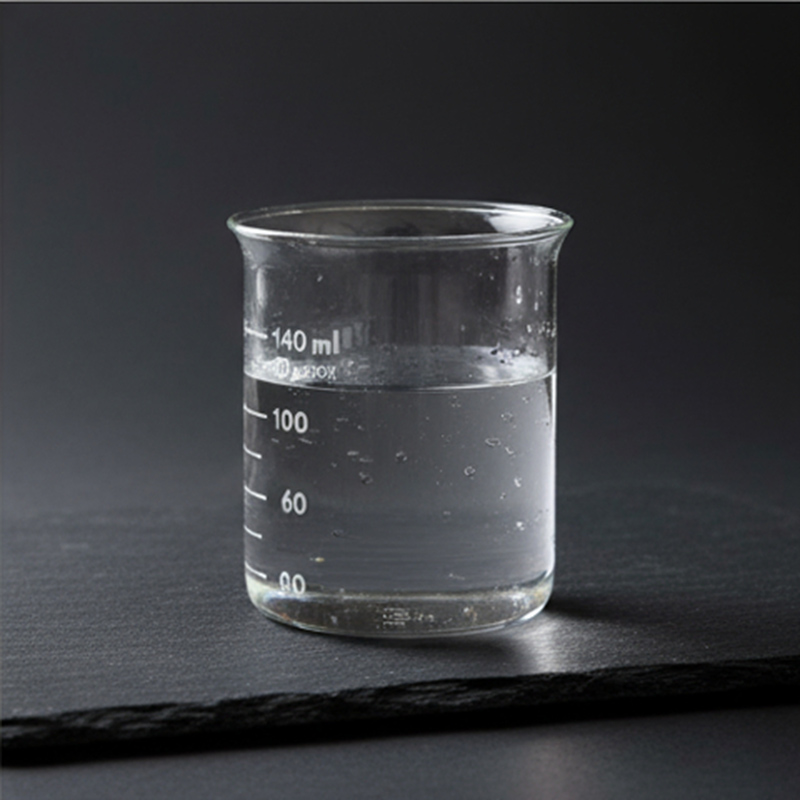
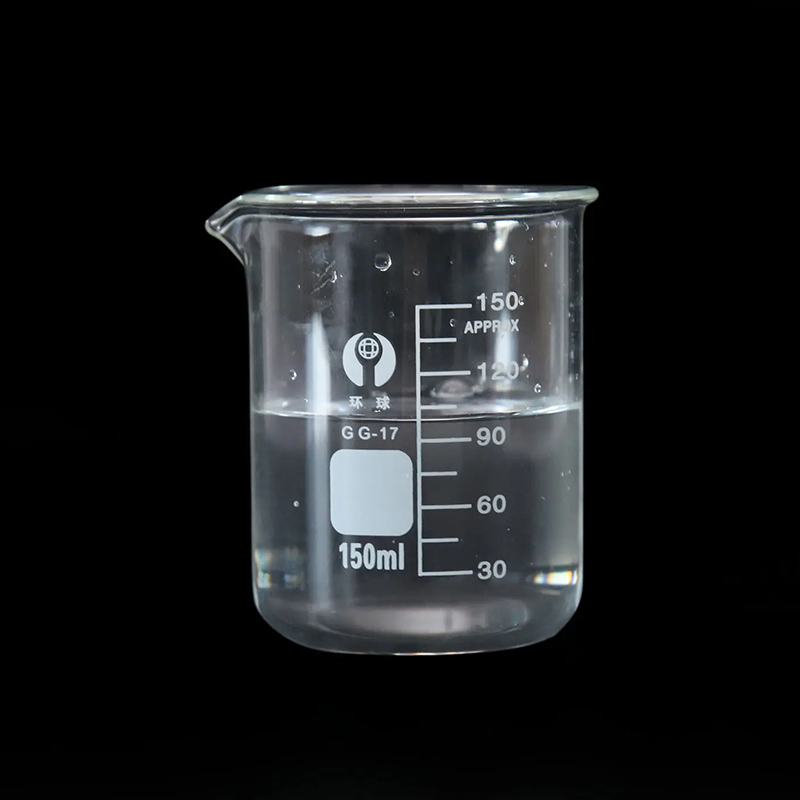
p-Anisaldehyde, also known as anisaldehyde or 4-methoxybenzaldehyde, is a colorless to light yellow liquid at room temperature with a distinctive hawthorn-like odor. It is insoluble in water, with a solubility of approximately 0.3%, and is slightly soluble in propylene glycol and glycerol. It is readily soluble in ethanol, ethyl ether, acetone, chloroform, and most other organic solvents. p-Anisaldehyde can also be volatilized with water vapor.
p-Anisaldehyde occurs naturally in fennel oil, cumin oil, dill oil, acacia flowers, and balsam pear extract, and can be obtained through oxidation, separation, and extraction processes. It is commonly used as a fragrance base for hawthorn, sunflower, lilac, and other scents. It is also used as a blending spice for fragrances such as freshly cut grass, silver and white acacia flowers, acacia, and balsam grass. In addition, p-anisaldehyde serves as an auxiliary agent in lily of the valley fragrances and as a modifier for osmanthus fragrances.
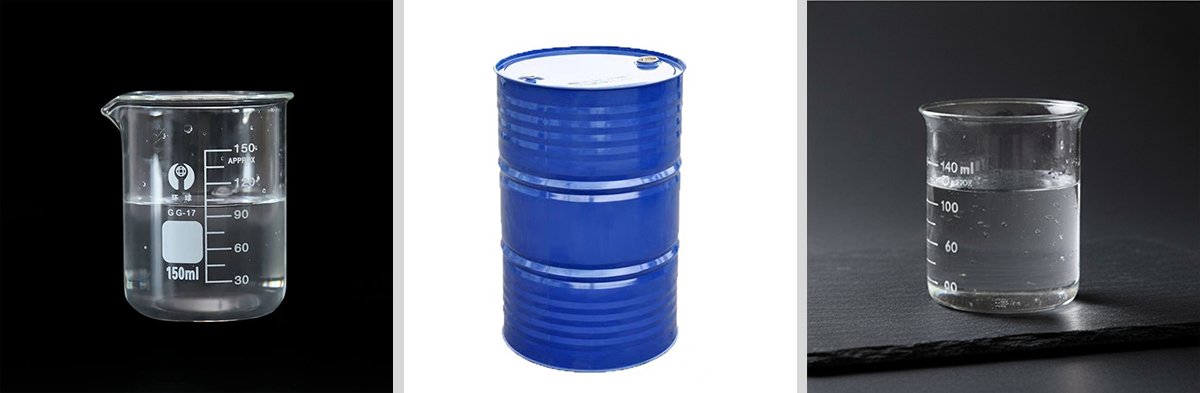
p-Anisaldehyde Chemical Properties
| Melting point | -1 °C |
| Boiling point | 248 °C(lit.) |
| density | 1.121 |
| vapor density | 4.7 (vs air) |
| vapor pressure | <1 hPa (20 °C) |
| refractive index | n20/D 1.573(lit.) |
| FEMA | 2670 | P-METHOXYBENZALDEHYDE |
| Fp | 228 °F |
| storage temp. | Store below +30°C. |
| solubility | 2g/l |
| form | Liquid |
| color | Clear colorless to yellow |
| PH | 7 (2g/l, H2O, 20℃) |
| Odor | sweetish odor |
| Odor Type | anisic |
| biological source | synthetic |
| explosive limit | 1.4-5.3%(V) |
| Water Solubility | Miscible with acetone, alcohol, ether, chloroform and benzene. Immiscible with water. |
| Sensitive | Air Sensitive |
| Decomposition | > 160°C |
| JECFA Number | 878 |
| Merck | 14663 |
| BRN | 471382 |
| Dielectric constant | 15.8(20℃) |
| Major Application | cleaning products |
| cosmetics | |
| environmental | |
| flavors and fragrances | |
| food and beverages | |
| personal care | |
| Cosmetics Ingredients Functions | PERFUMING |
| FRAGRANCE | |
| InChI | 1S/C8H8O2/c1-10-8-4-2-7(6-9)3-5-8/h2-6H,1H3 |
| InChIKey | ZRSNZINYAWTAHE-UHFFFAOYSA-N |
| SMILES | [H]C(=O)c1ccc(OC)cc1 |
| LogP | 1.56 at 25℃ |
| CAS DataBase Reference | 123-11-5(CAS DataBase Reference) |
| NIST Chemistry Reference | Benzaldehyde, 4-methoxy-(123-11-5) |
| EPA Substance Registry System | Benzaldehyde, 4-methoxy- (123-11-5) |
| Hazard Codes | Xn,Xi,T,F |
| Risk Statements | 22-36/37/38-39/23/24/25-23/24/25-11-R22-36/38 |
| Safety Statements | 26-36-45-36/37-16-7 |
| WGK Germany | 1 |
| RTECS | BZ2625000 |
| F | 46318 |
| Autoignition Temperature | 220 °C |
| TSCA | TSCA listed |
| HazardClass | IRRITANT |
| HS Code | 29124900 |
| Storage Class | 10 - Combustible liquids |
| Hazard Classifications | Aquatic Chronic 3 |
| Repr. 2 | |
| Hazardous Substances Data | 123-11-5(Hazardous Substances Data) |
| Toxicity | LD50 orally in rats: 1510 mg/kg (Jenner) |

Product Application of p-Anisaldehyde CAS#123-11-5
4-Methoxybenzaldehyde is widely used in the fragrance and flavor industry. It also serves as an important intermediate in the synthesis of various organic compounds, perfumes, and pharmaceutical products such as antihistamines. In addition, it is used in the preparation of agrochemicals, dyes, and plastic additives.
A solution of para-anisaldehyde in acid and ethanol is commonly used as a staining reagent in thin-layer chromatography (TLC), enabling the easy identification of different compounds.
In finished products, p-anisaldehyde is typically used at concentrations ranging from 0.5 to 30 ppm, while concentrations of up to 75 ppm may be used in chewing gum. The average flavor threshold of anisaldehyde is approximately 0.2 ppm in a single chemical solution in sugar water.