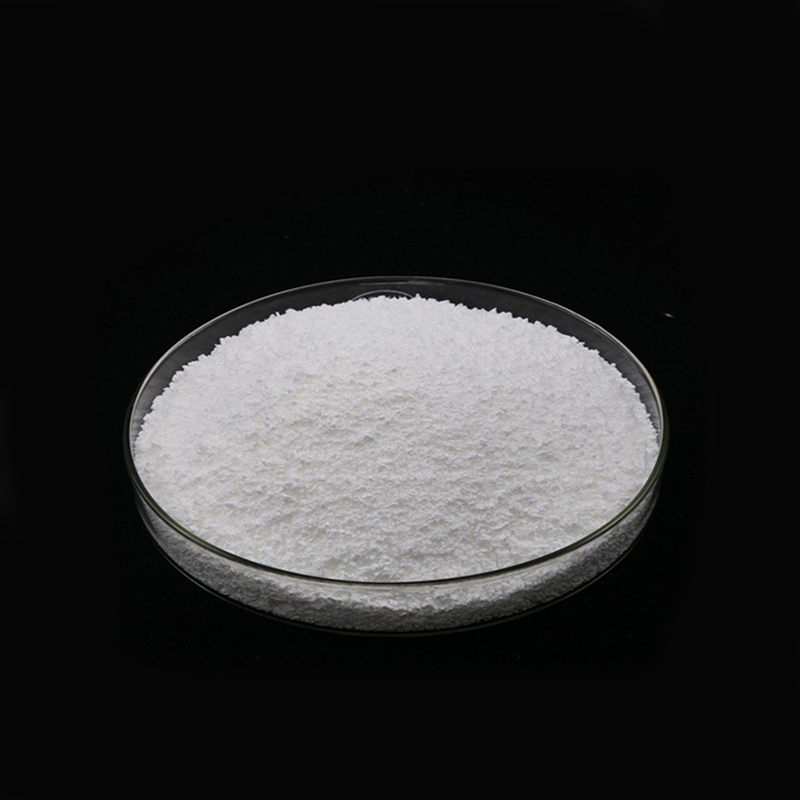
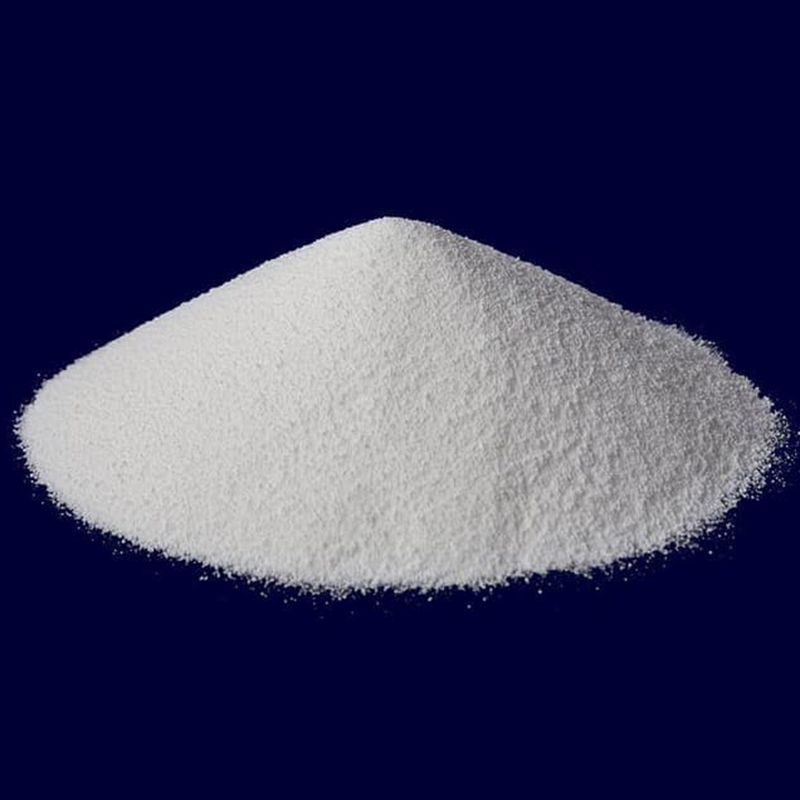

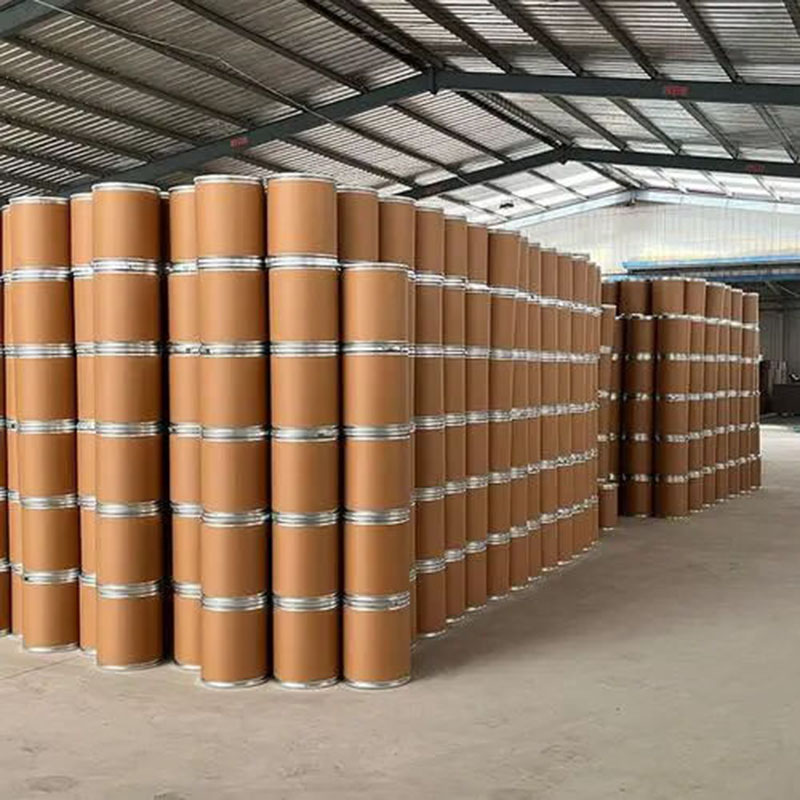
LACTITOL CAS#585-86-4
Low Digestibility and Gentle Metabolism: Exhibits extremely slow hydrolysis and digestion properties, with minimal enzymatic breakdown in the human intestinal tract, making it a unique low-digestible sugar alcohol.
Low Sweetness Profile: Provides approximately 40% of the sweetness of sucrose, offering a mild sweetness suitable for applications requiring reduced sweetness intensity.
Excellent Intestinal Compatibility: Is virtually not absorbed by the human small intestine and passes to the lower gastrointestinal tract, where it can be effectively utilized through bacterial fermentation.
Beneficial Fermentation Characteristics: Undergoes fermentation in the colon to produce short-chain fatty acids such as acetate, propionate, and butyrate, which can be further metabolized by the body.
Product Description of Lactitol
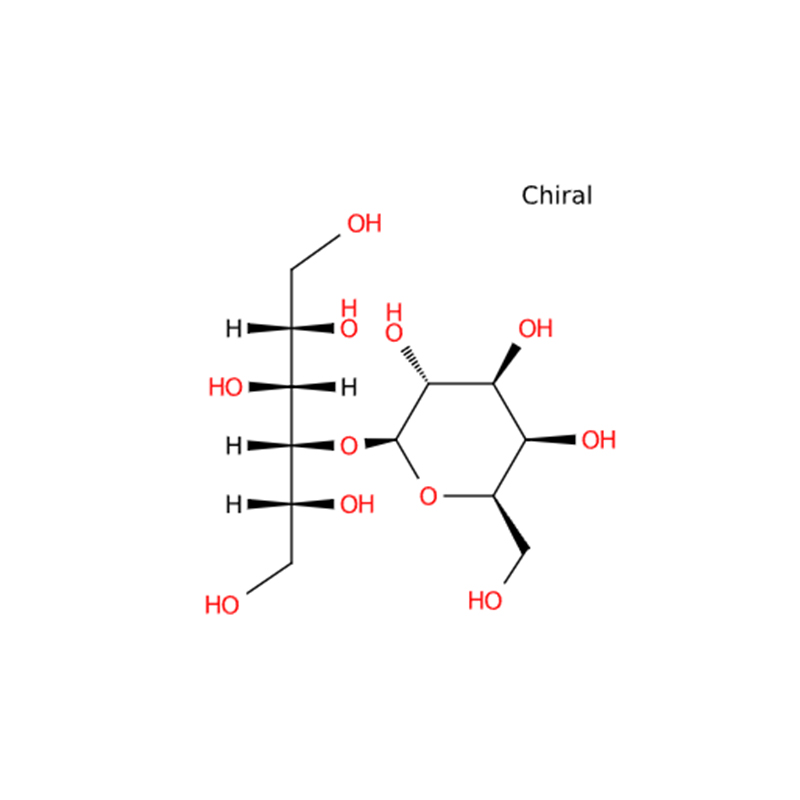
Lactitol (4-O-(β-D-Galactopyranosyl)-D-glucitol) is a disaccharide sugar alcohol produced by the reduction of the glucose portion of lactose. It is not naturally present in nature and has a sweetness level approximately 40% that of sucrose.
In vitro studies using galactosidase-containing enzyme preparations have shown that lactitol undergoes hydrolysis at a very slow rate. Studies conducted with human intestinal tissue have demonstrated that the intestinal mucosa has almost no significant disaccharidase activity toward lactitol. The hydrolytic activity of intestinal enzymes toward lactitol and isomalt was only about 1.3% of their activity toward lactose and isomaltulose, respectively. Similar results were observed in experiments using intestinal enzyme preparations from germ-free pigs and conventionally raised minipigs. These findings indicate that lactitol is one of the most slowly digested disaccharide sugar alcohols.
However, in vitro enzyme studies mainly provide comparative information on hydrolysis rates. Human studies using jejunal perfusion with ¹⁴C-labeled lactitol have shown that lactitol is essentially not absorbed by the human small intestine. After passing through the small intestine, ingested lactitol reaches the bacteria-containing sections of the gastrointestinal tract, where it undergoes extensive fermentation. The main fermentation products are short-chain fatty acids, including acetate, propionate, and butyrate, which are subsequently further metabolized by the body.
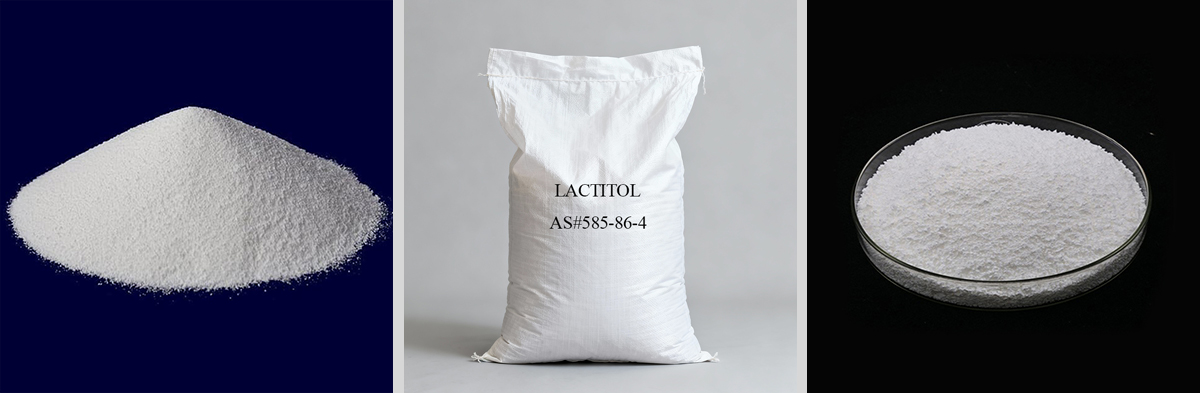
LACTITOL Chemical Properties
| Melting point | 146° |
| alpha | D23 +14° (c = 4 in water) |
| Boiling point | 788.5±60.0 °C(Predicted) |
| density | 1.69±0.1 g/cm3(Predicted) |
| storage temp. | Hygroscopic, Refrigerator, under inert atmosphere |
| solubility | Slightly soluble in ethanol (95%) and ether. Soluble 1 in 1.75 of water at 20°C; 1 in 1.61 at 30°C; 1 in 1.49 at 40°C; 1 in 1.39 at 50°C. |
| pka | 12.84±0.70(Predicted) |
| form | Solid |
| color | White to Off-White |
| Odor | odorless |
| Optical Rotation | [α]/D 14.5±1.5°, c =1 in H2O |
| Cosmetics Ingredients Functions | SKIN CONDITIONING |
| HUMECTANT | |
| InChI | InChI=1/C12H24O11/c13-1-4(16)7(18)11(5(17)2-14)23-12-10(21)9(20)8(19)6(3-15)22-12/h4-21H,1-3H2/t4-,5+,6+,7+,8-,9-,10+,11+,12-/s3 |
| InChIKey | VQHSOMBJVWLPSR-PHBIKYJVNA-N |
| SMILES | [C@@H]1([C@H](O)[C@H]([C@@H](O)[C@@H](CO)O1)O)O[C@H]([C@H](O)CO)[C@H](O)[C@@H](O)CO |&1:0,1,3,4,6,12,13,17,19,r| |
| LogP | -3.11 |
| Hazardous Substances Data | 585-86-4(Hazardous Substances Data) |