
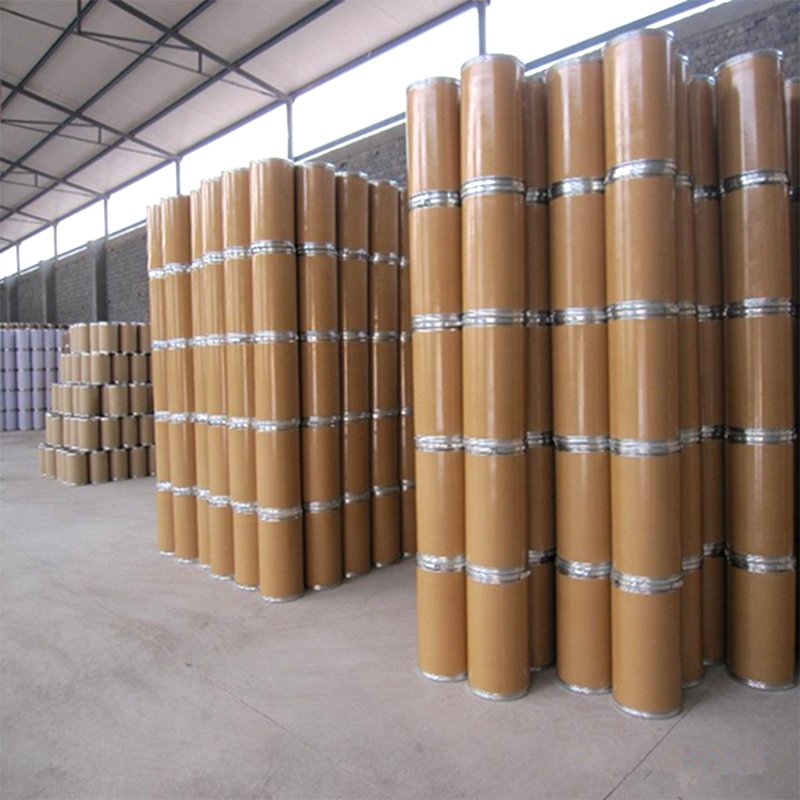
Collagenase CAS#9001-12-1
Efficient Collagen Degradation: Collagenase specifically digests native collagen by cleaving peptide bonds, making it an essential enzyme for collagen degradation and tissue dissociation applications.
Broad Substrate Specificity: Bacterial collagenase can degrade both water-insoluble native collagen and water-soluble denatured collagen, offering broader substrate compatibility than animal-derived collagenases.
Multiple Collagen Type Activity: It is capable of acting on nearly all collagen types and performing multiple cleavages within triple-helical collagen regions, providing high enzymatic efficiency.
Stable Performance Under Physiological Conditions: Collagenase exhibits optimal stability at a pH range of approximately 6.3–7.5, making it suitable for a variety of biological, research, and industrial applications.
Collagenase CAS#9001-12-1
Collagenase is a group of enzymes capable of degrading native collagen, the primary fibrous component of the extracellular connective tissue in animals. These enzymes are produced by certain bacteria, such as Clostridium species, and are also naturally synthesized by the body as part of the normal immune response. They primarily act on connective tissues in muscles and other organs by cleaving peptide bonds within collagen. Collagenase also participates in collagen metabolism by processing procollagen, the precursor of collagen, after it is secreted from cells.
Compared with animal-derived collagenases, bacterial collagenases exhibit a broader substrate specificity. While animal collagenases mainly cleave collagen in its native triple-helical structure, bacterial collagenases are capable of degrading both water-insoluble native collagen and water-soluble denatured collagen. They can also act on nearly all collagen types and introduce multiple cleavage sites within the triple-helical regions.
Depending on the enzyme class, collagenases have molecular weights ranging from approximately 68 kDa to 130 kDa. They show optimal stability at a pH of about 6.3–7.5 and have a theoretical isoelectric point (pI) of 5.62. The activity of collagenase can be regulated by various compounds. Calcium (Ca²⁺) and zinc (Zn²⁺) ions are known activators, whereas EDTA, EGTA, cysteine, histidine, dithiothreitol (DTT), 2-mercaptoethanol, o-phenanthroline, and metal ions such as Hg²⁺, Pb²⁺, Cd²⁺, Cu²⁺, and excess Zn²⁺ are recognized inhibitors of collagenase activity.
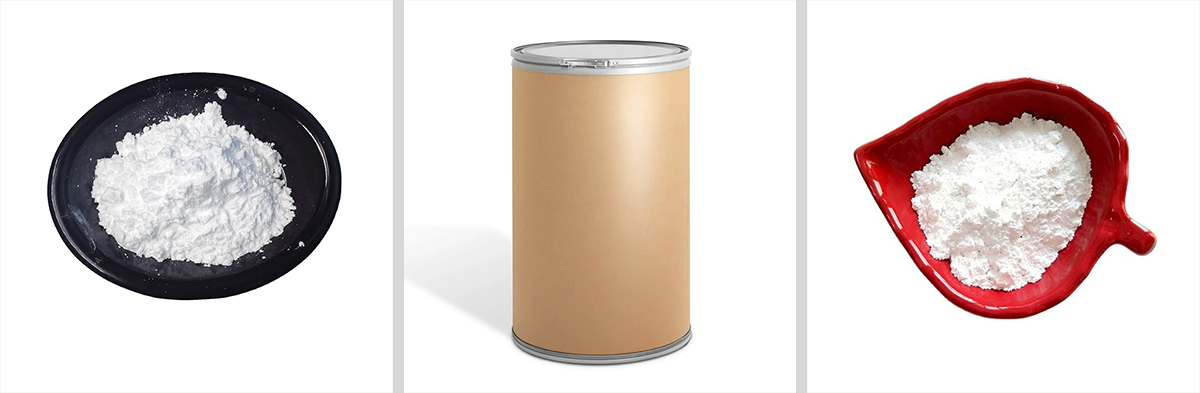
Collagenase Chemical Properties
| storage temp. | -20°C |
| solubility | Soluble in aqueous buffers. |
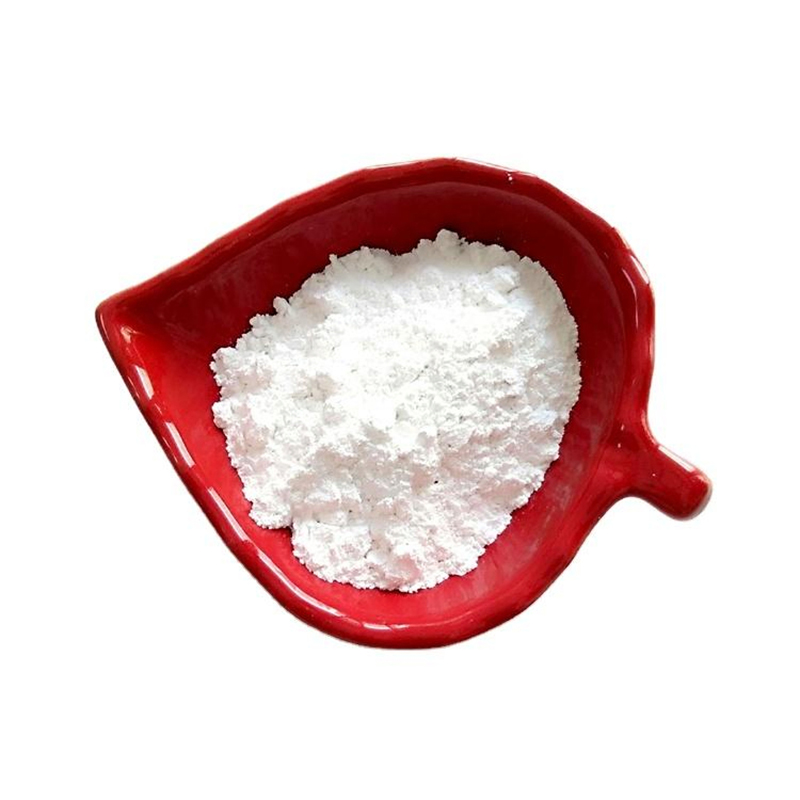
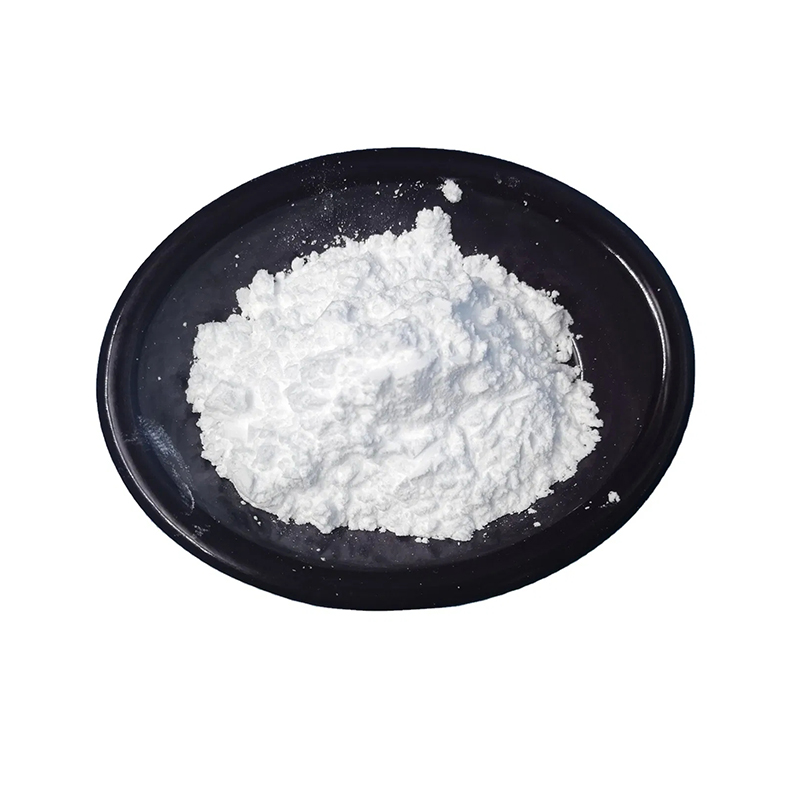
| form | powder |
| color | light brown |
| PH | 7 |
| biological source | Clostridium histolyticum |
| Water Solubility | water: soluble |
| Merck | 2481 |
| Specific Activity | 0.5-5.0FALGPA units/mg solid |
| InChIKey | YRQNKMKHABXEJZ-UVQQGXFZSA-N |
| CAS DataBase Reference | 2593923 |
| EPA Substance Registry System | Collagenase (9001-12-1) |
| Hazard Codes | Xn |
| Risk Statements | 36/37/38-42 |
| Safety Statements | 22-24-26-36/37 |
| WGK Germany | 1 |
| F | 46316 |
| TSCA | TSCA listed |
| HS Code | 3507907000 |
| Storage Class | 11 - Combustible Solids |
| Hazard Classifications | Eye Irrit. 2 |
| Resp. Sens. 1 | |
| Skin Irrit. 2 | |
| STOT SE 3 |

Product Application of Collagenase CAS#9001-12-1
This collagenase has been evaluated using cell lines and verified to be non-cytotoxic under the tested conditions. It is commonly used to digest connective tissue components in biological samples, enabling the efficient isolation of individual cells.
For cartilage tissue dissociation, a typical working concentration is 1–2 mg/mL. However, the optimal concentration may vary depending on the species and tissue type, and users are advised to consult the relevant literature for application-specific protocols.