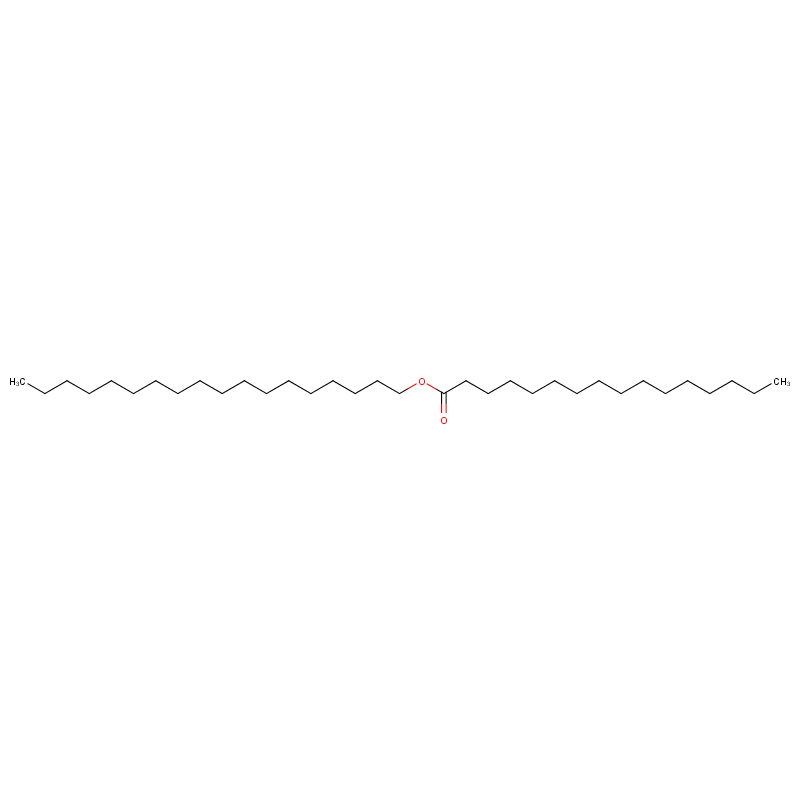
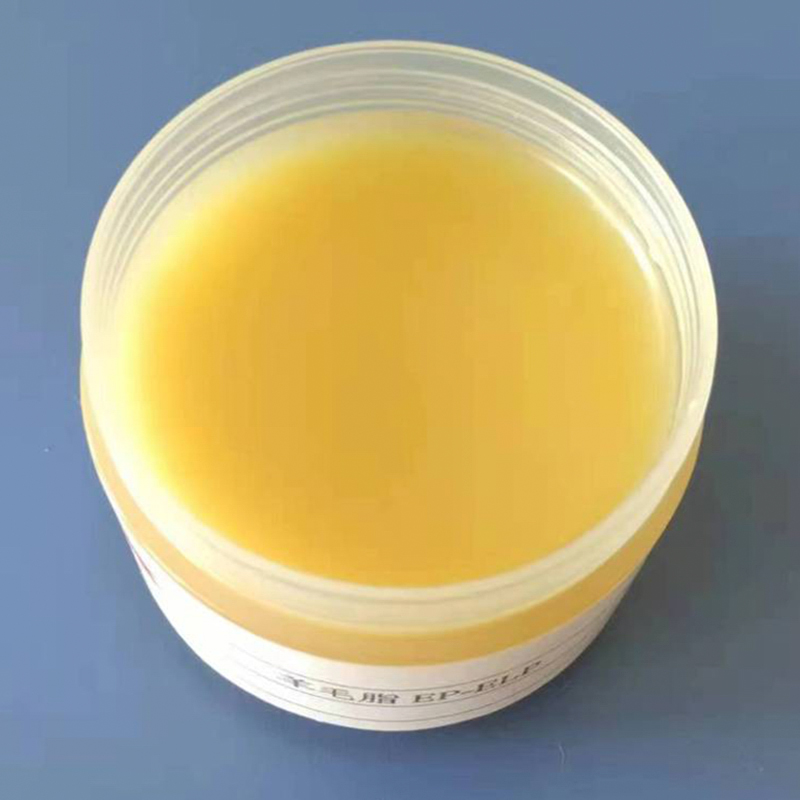
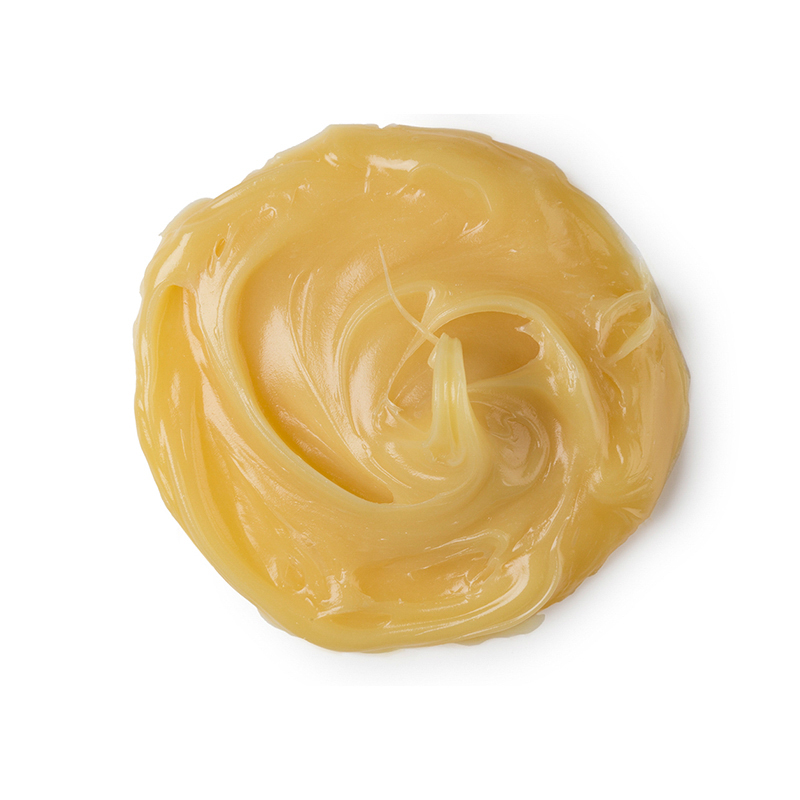

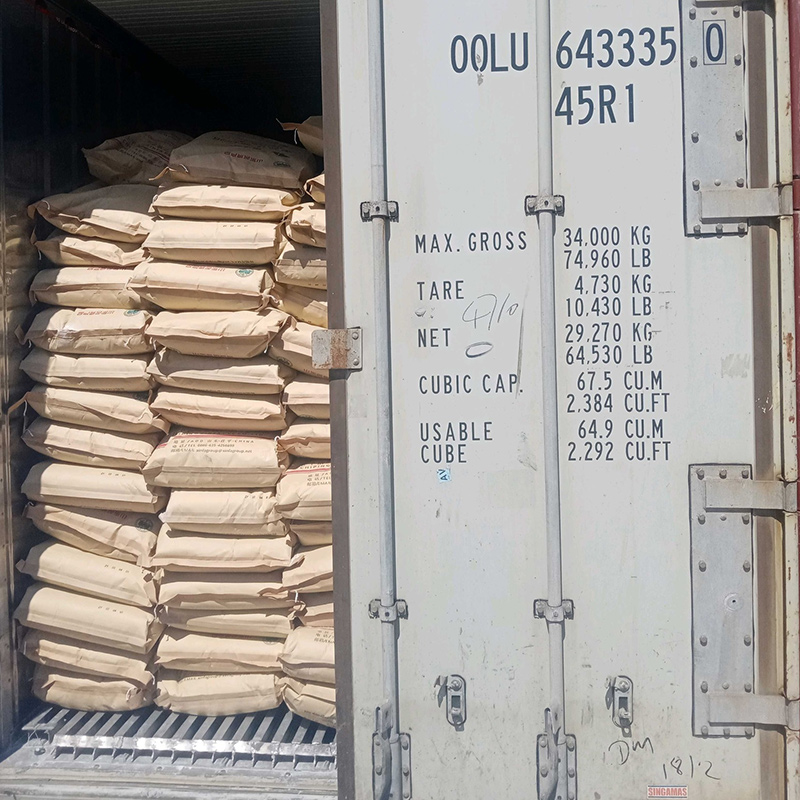
Lanolin CAS#8006-54-0
Excellent Moisturizing and Conditioning Properties: Lanolin oil effectively conditions and protects the skin and hair, making it a valuable ingredient in cosmetic and personal care formulations.
Similar to Human Sebum: Its composition closely resembles human sebum, providing excellent skin compatibility and helping maintain the skin's natural moisture balance.
Widely Used in Cosmetic Applications: Lanolin oil is extensively utilized in skincare, haircare, and cosmetic products due to its outstanding emollient and protective properties.
Naturally Derived and Sustainably Obtained: Extracted from sheep’s wool after shearing through a centrifugation process, lanolin oil is obtained without harming the sheep, making it a renewable and animal-friendly raw material.
Product Description of Lanolin CAS#8006-54-0
Lanolin is a natural oil secreted by the skin of sheep. Its composition is similar to that of human sebum, the natural oil produced by the sebaceous glands. Unlike human sebum, however, lanolin contains no triglycerides. Although it is often referred to as "wool fat," this term is technically inaccurate because lanolin lacks the triglycerides required to be classified as a true fat.
Lanolin naturally conditions and protects sheep’s wool, and these protective and moisturizing properties have led to its widespread use in cosmetics, skincare, and hair care products.
Lanolin oil is obtained by processing shorn sheep’s wool through a centrifugation process that separates the oil from impurities and other materials. Since the extraction is carried out after shearing, the process does not cause any harm to the sheep.
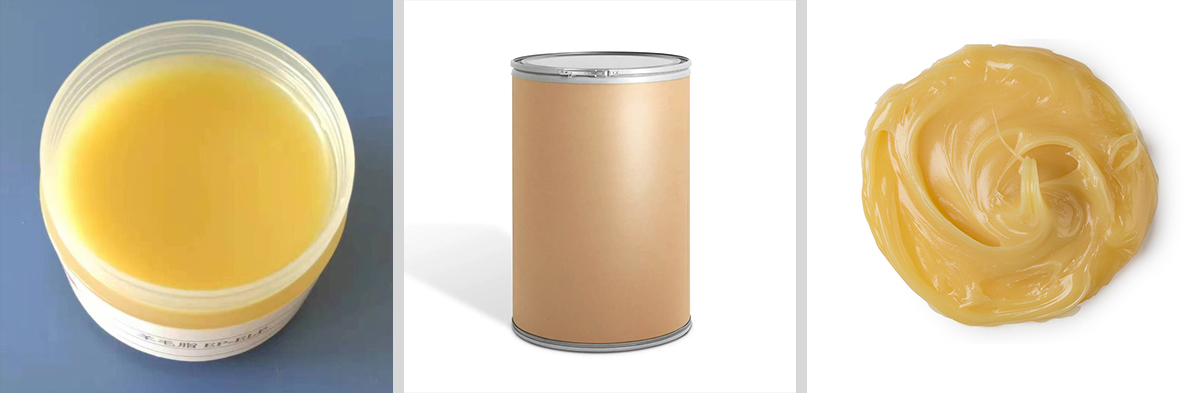
Lanolin Chemical Properties
| Melting point | 38-40 °C |
| density | 0.932-0.945 g/cm3(Temp: 15 °C) |
| Fp | 209 °C |
| storage temp. | Sealed in dry,Room Temperature |
| solubility | chloroform: 0.1 g/mL, clear to faintly turbid (<29 NTU), strongly yellow-green |
| form | Adhering Crystals or Powder |
| color | White to yellow |
| Odor | Characteristic |
| Water Solubility | Soluble in ether, petroleum ether, chloroform and petroleum benzene. Sparingly soluble in ethanol. Insoluble in water. |
| Merck | 145358 |
| Dielectric constant | 4.2(Ambient) |
| Cosmetics Ingredients Functions | HAIR CONDITIONING |
| ANTISTATIC | |
| SURFACTANT - EMULSIFYING | |
| SURFACTANT - CLEANSING | |
| SKIN CONDITIONING | |
| SKIN CONDITIONING - EMOLLIENT | |
| Cosmetic Ingredient Review (CIR) | Lanolin (8006-54-0) |
| EPA Substance Registry System | Lanolin (8006-54-0) |
| Safety Statements | 24/25 |
| WGK Germany | 1 |
| RTECS | OE3201000 |
| Autoignition Temperature | 833 °F |
| TSCA | TSCA listed |
| HS Code | 15050000 |
| Storage Class | 11 - Combustible Solids |
| Hazardous Substances Data | 8006-54-0(Hazardous Substances Data) |

Product Application of Lanolin CAS#8006-54-0
Lanolin is widely used as an emollient with excellent moisturizing properties and as an emulsifier with a high capacity for water absorption. Unlike petrolatum (Vaseline), which forms a continuous film on the skin, lanolin creates a breathable network on the skin's surface, helping to retain moisture while conditioning the skin.
Although long-term studies indicate a relatively low incidence of allergic reactions to lanolin, it remains a subject of discussion due to concerns about potential pesticide residues and possible comedogenicity. In response, leading lanolin manufacturers have focused on producing low-pesticide grades, while premium cosmetic formulators increasingly select highly purified lanolin for their products.
The comedogenic potential of lanolin is also under ongoing debate, as some researchers consider previous assessments to be inaccurate, particularly when lanolin is incorporated into emulsion-based formulations.
Lanolin is derived from sheep's wool and is produced from a fat-like, viscous secretion of the sheep's sebaceous glands. It is also regarded by some as a natural wax.