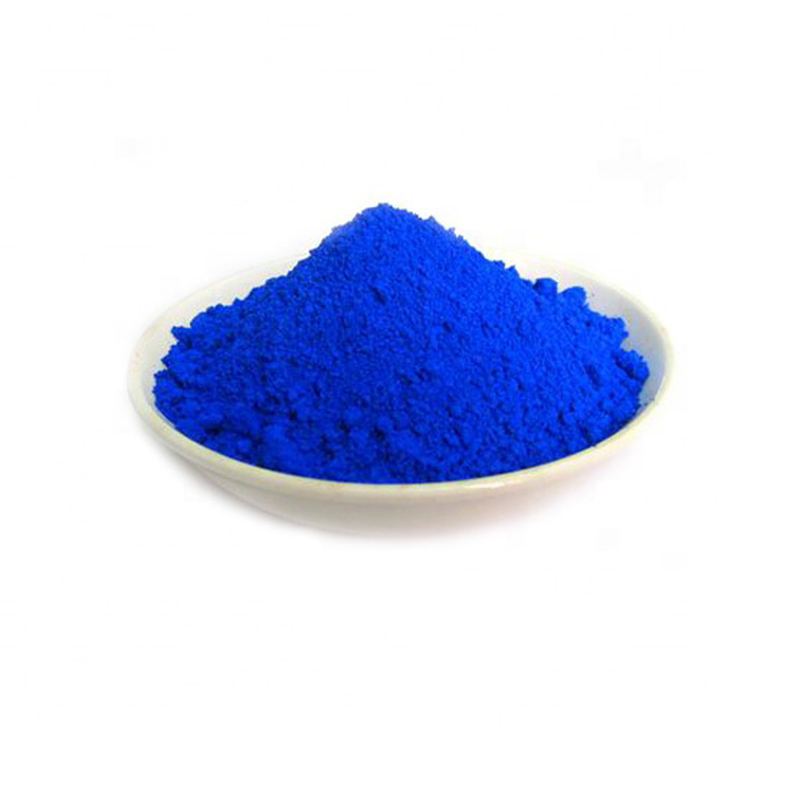
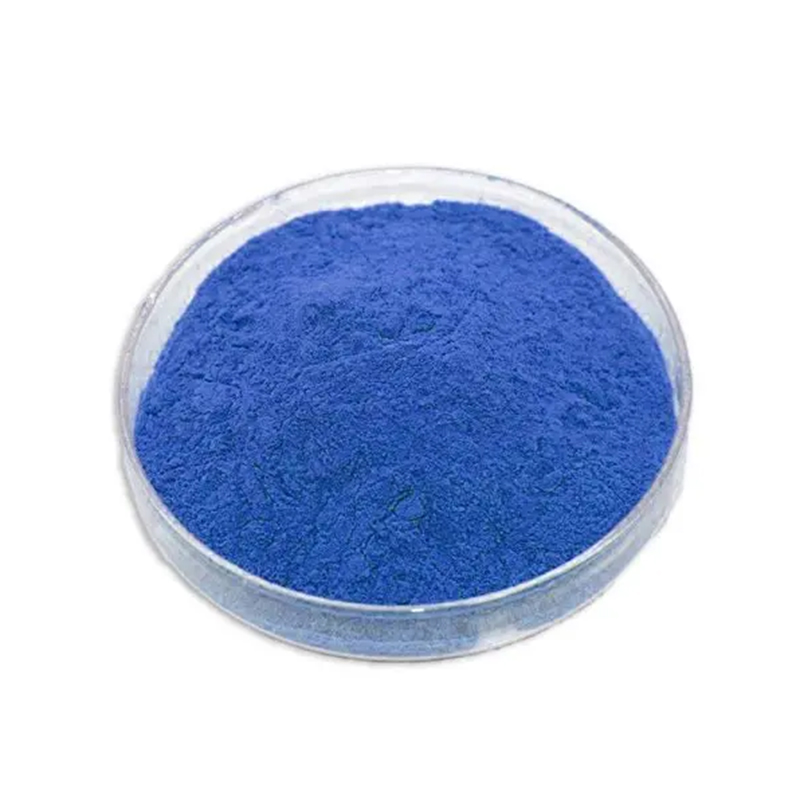


Sodium gualenate CAS#6223-35-4
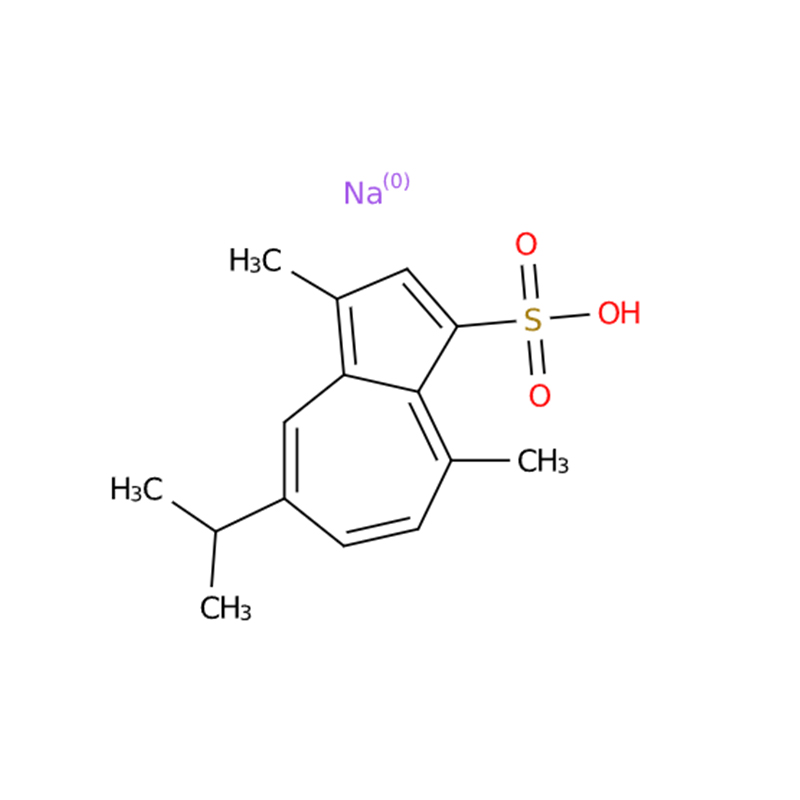
Unique Chemical Properties: Sodium Gualenate possesses a distinctive sulfonated azulene structure, providing specific chemical characteristics for specialized applications.
Crystalline Hydrate Forms Available: Sodium Gualenate commonly exists in forms containing half or one molecule of crystal water, offering flexibility in material selection and formulation.
Suitable for Specialized Applications: Its unique composition and physicochemical properties make it valuable for research and applications requiring azulene sulfonate derivatives.
Defined Reactivity Profile: Sodium Gualenate exhibits characteristic decomposition and desulfonation behavior under light, oxidation, and high-temperature conditions, providing useful insights for controlled chemical processing.
Product Description of Sodium Gualenate CAS#6223-35-4
Sodium Gualenate is a relatively unstable compound that may undergo decomposition when exposed to light, atmospheric oxidation, or high-temperature conditions. It is also prone to the removal of its sulfonic acid group under certain conditions.
According to available reports, sodium azulene sulfonate commonly exists in hydrated forms containing either half a molecule or one molecule of crystal water.
Sodium gualenate Chemical Properties
| Melting point | 98°C(lit.) |
| storage temp. | Inert atmosphere,Room Temperature |
| solubility | DMSO : 30 mg/mL (99.88 mM) |
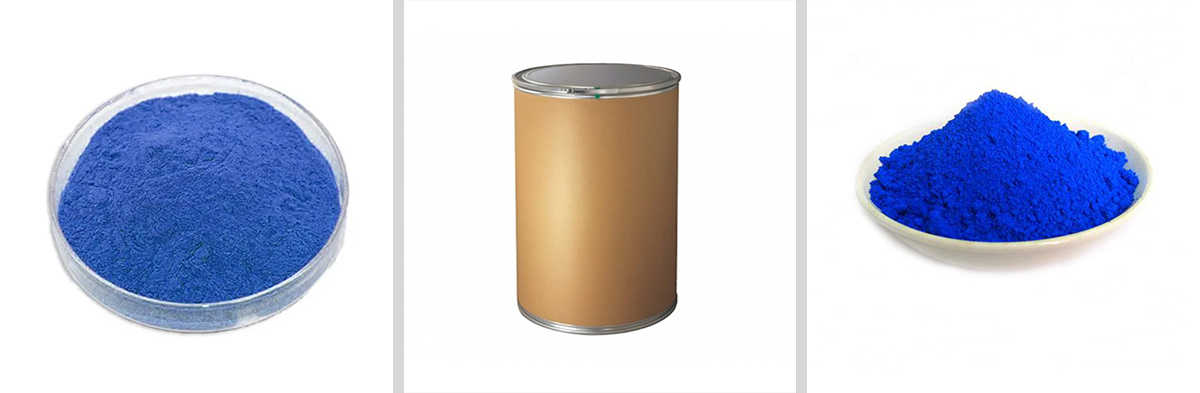
| form | powder to crystaline |
| color | Blue to Dark blue |
| Merck | 144554 |
| Cosmetics Ingredients Functions | SURFACTANT - CLEANSING |
| InChI | InChI=1S/C15H18O3S.Na/c1-9(2)12-6-5-10(3)15-13(8-12)11(4)7-14(15)19(16,17)18;/h5-9H,1-4H3,(H,16,17,18);/q;+1/p-1 |
| InChIKey | GEYJUFBPCGDENK-UHFFFAOYSA-M |
| SMILES | C12C(C)=CC=C(C(C)C)C=C1C(=CC=2S([O-])(=O)=O)C.[Na+] |
| RTECS | CO4826000 |
| HS Code | 2908.99.1500 |

Product Application of Sodium Gualenate CAS#6223-35-4
Sodium Gualenate is an active component derived from chamomile flowers. It exhibits strong anti-pepsin, anti-inflammatory, antibacterial, anti-allergic, and mucosal metabolism-promoting properties. It is primarily used in research related to duodenal ulcers, gastric ulcers, and gastritis.