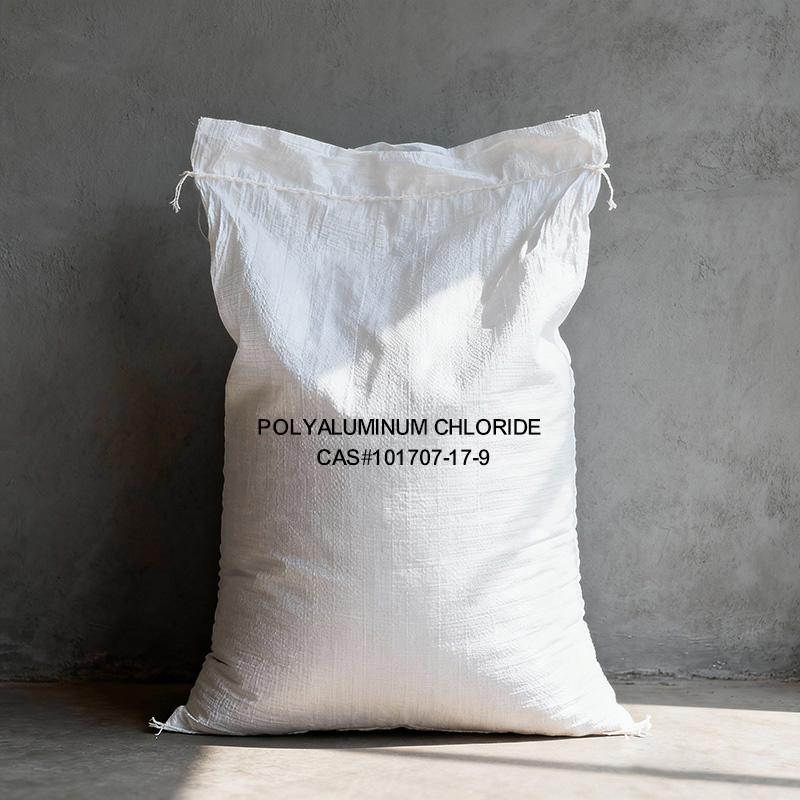
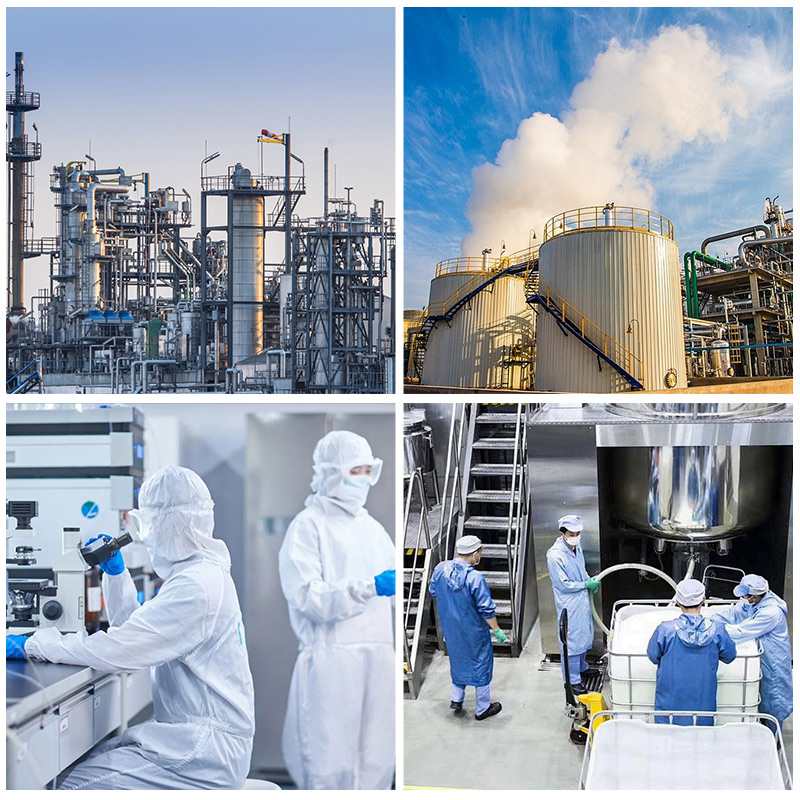
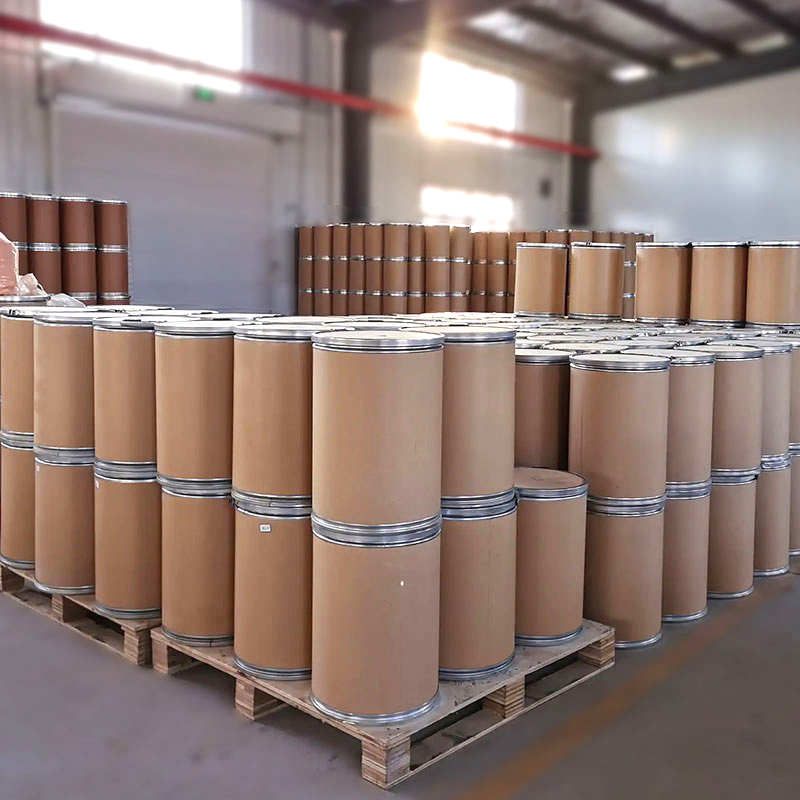
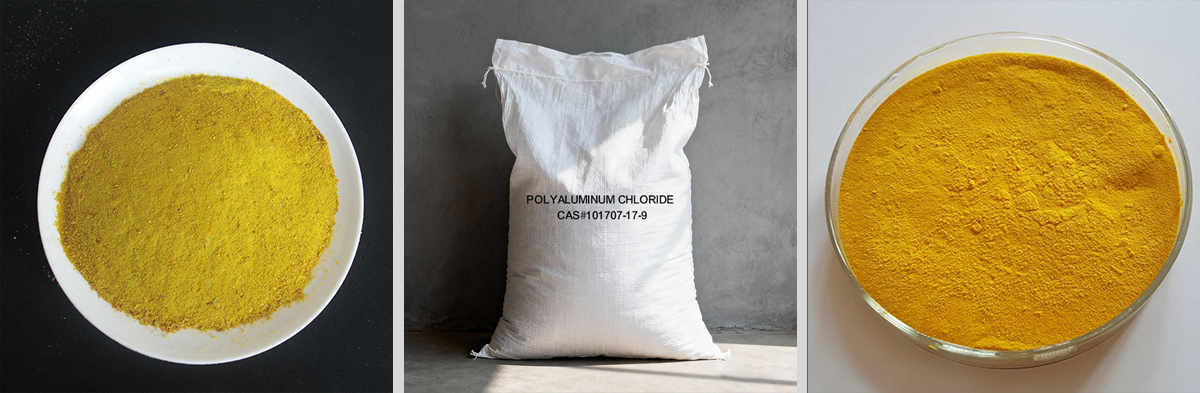
POLYALUMINUM CHLORIDE CAS#101707-17-9
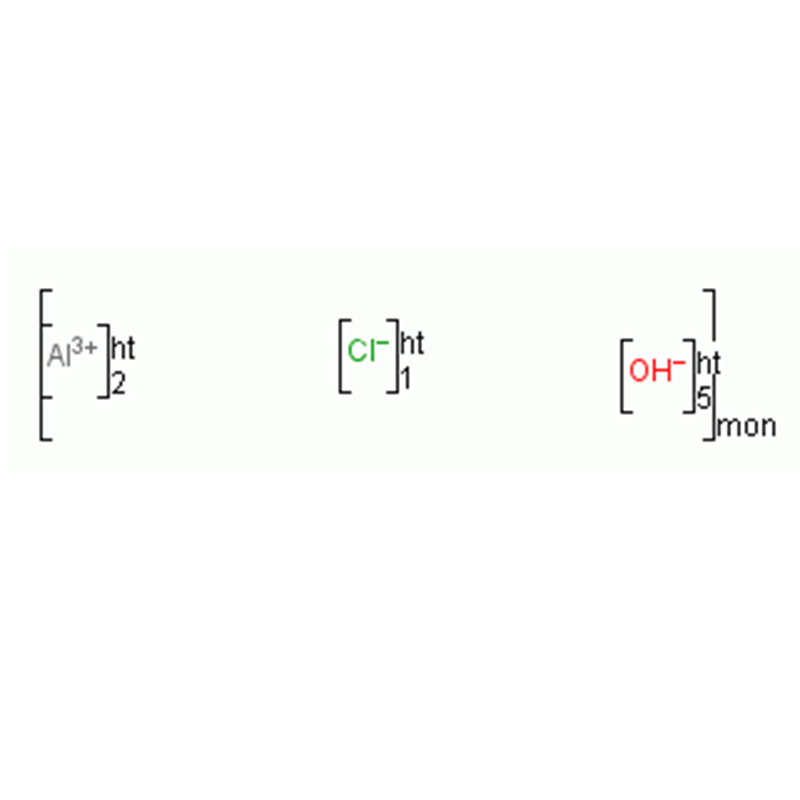
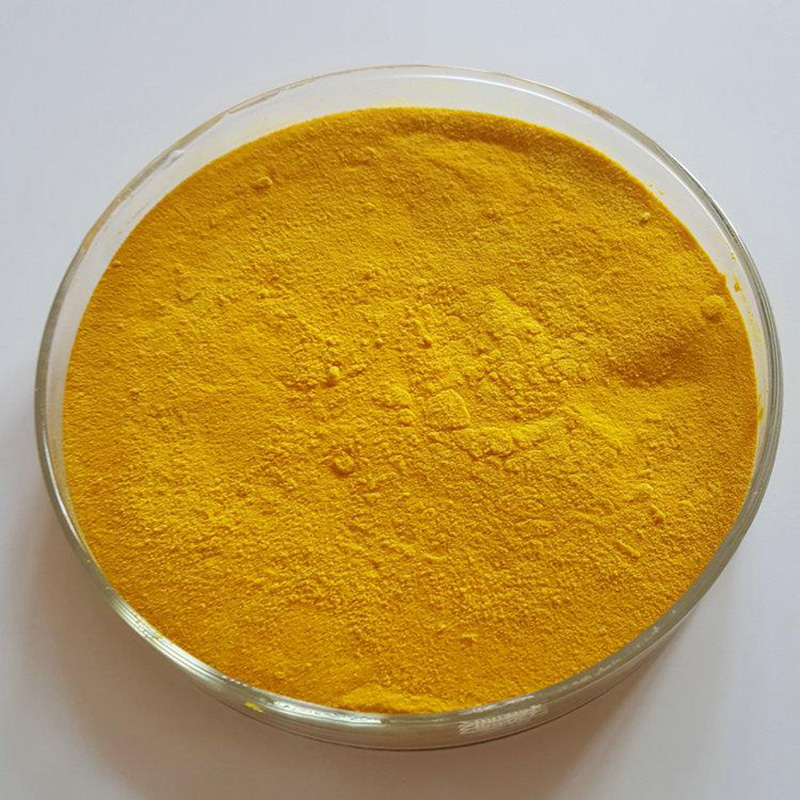
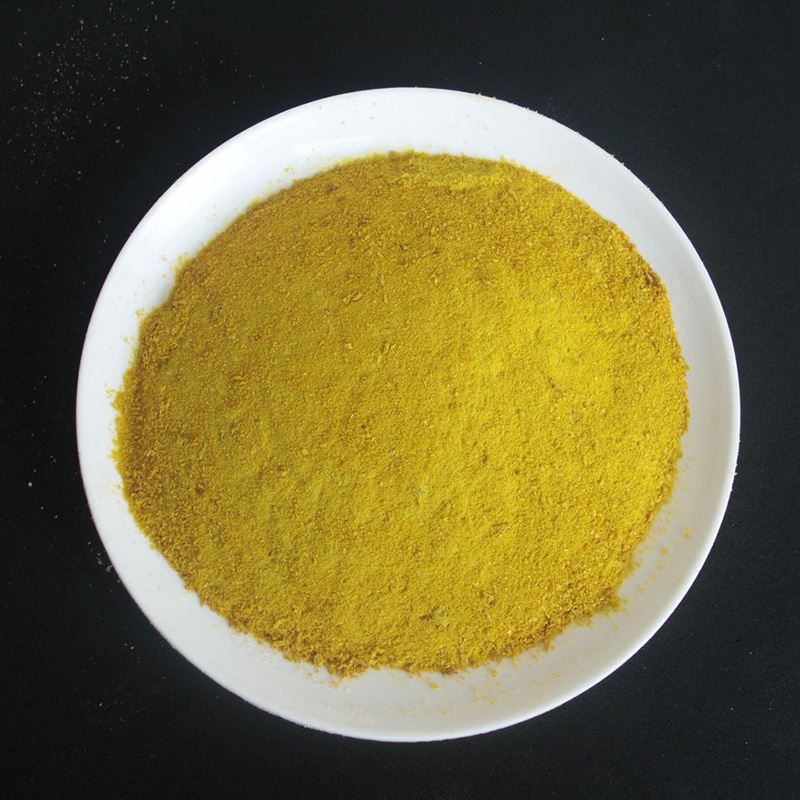
Poly Aluminum Chloride (PAC) is an inorganic polymer coagulant widely used in water treatment applications. It is a high-molecular-weight, highly charged inorganic polymer water treatment agent produced through the bridging action of hydroxide ions and the polymerization of polyvalent anions.
Solid PAC products feature high adsorption capacity, rapid clarification and sedimentation performance, a broad adaptable pH range, no requirement for additional coagulant aids, and low sensitivity to water temperature variations. Due to these advantages, PAC is extensively applied in drinking water purification, industrial water treatment, municipal wastewater treatment, industrial wastewater and sludge treatment, as well as the recovery of certain suspended solids from wastewater.
For some complex industrial wastewater treatment processes, PAC can also be used as a basic material. By combining PAC with other chemical agents to prepare composite coagulants, enhanced wastewater treatment performance and improved treatment efficiency can be achieved.
Product Applications of POLYALUMINUM CHLORIDE CAS#101707-17-9
1. Treatment of Oily Wastewater
Oily wastewater mainly includes oilfield-produced water generated during crude oil extraction, oil-containing wastewater from refineries and petrochemical plants, as well as wastewater produced from the cleaning of tankers and vehicles. Common treatment methods include oil separation and sedimentation, air flotation, and biological treatment. The combined use of PAC and modified cationic polyacrylamide for coagulation, sedimentation, and filtration treatment can effectively improve oily wastewater treatment performance. The molecular weight of modified cationic polyacrylamide should be appropriately controlled to ensure effective complex formation with PAC and achieve optimal treatment results.
2. Treatment of Papermaking Wastewater
The papermaking industry generates large quantities of wastewater, among which intermediate-stage wastewater accounts for a considerable proportion. In many paper mills, black liquor after pretreatment processes such as anaerobic digestion, strong acid treatment, cellulose separation, and neutralization is often combined with intermediate-stage wastewater for further treatment.
3. Application in Laundry Wastewater Treatment
Laundry wastewater contains high concentrations of surfactants, which interact with oils and particulate contaminants to form negatively charged colloidal particles that remain relatively stable in water. When PAC is added, positively charged cations and highly charged polynuclear complex ions are generated through hydroxyl bridging, providing strong charge neutralization and adsorption capabilities. These ions compress the electrical double layer surrounding suspended particles, destabilizing the colloids. Subsequently, the highly polymerized hydroxides formed through hydrolysis adsorb, precipitate, and capture pollutants, effectively separating them from the water.
4. Application in Dyeing Wastewater Treatment
Dyeing wastewater generally features high COD levels, strong coloration, and high pH values. Chemical coagulation is one of the commonly applied treatment methods. PAC demonstrates excellent coagulation performance and requires a relatively low dosage; however, its ability to neutralize the strong alkalinity of dyeing wastewater is limited. Traditional coagulants such as aluminum sulfate (Al₂(SO₄)₃) produce H⁺ ions during hydrolysis, providing stronger alkalinity neutralization capability. The combined application of PAC and aluminum sulfate utilizes their complementary advantages and synergistic effects, helping reduce treatment costs while improving the overall efficiency of dyeing wastewater treatment.
5. Application in Machining Wastewater Treatment
Emulsified fluids are widely used in machining processes as coolants, lubricants, cleaning agents, and rust inhibitors to improve product quality. During long-term use, these fluids are affected by bacteria, microorganisms, elevated temperatures, and selective adsorption by metal abrasives, gradually changing from milky white to gray-black. They may also undergo deterioration, produce unpleasant odors, and require effective wastewater treatment before discharge.