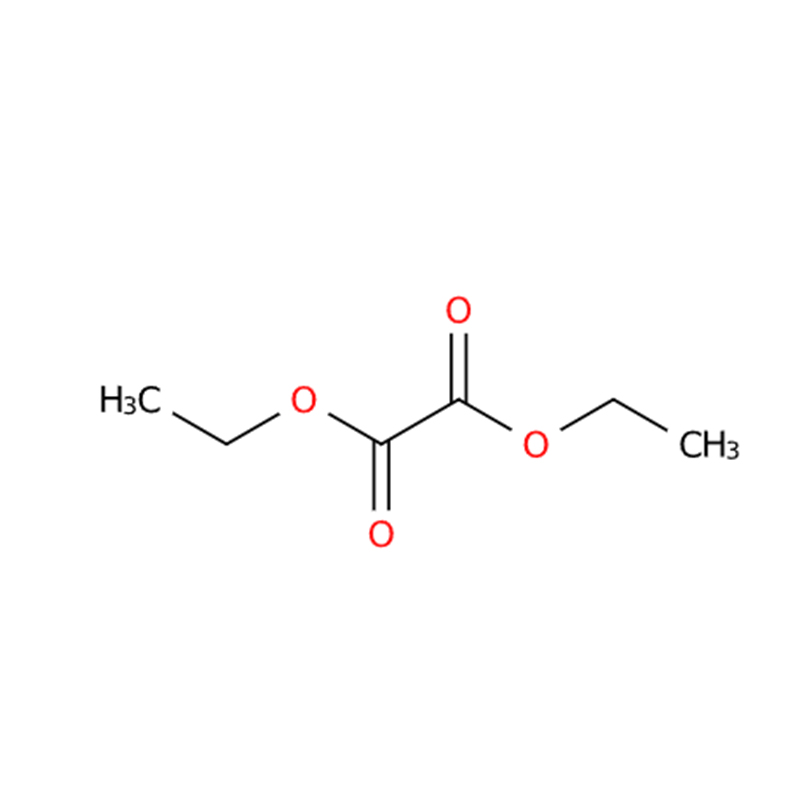

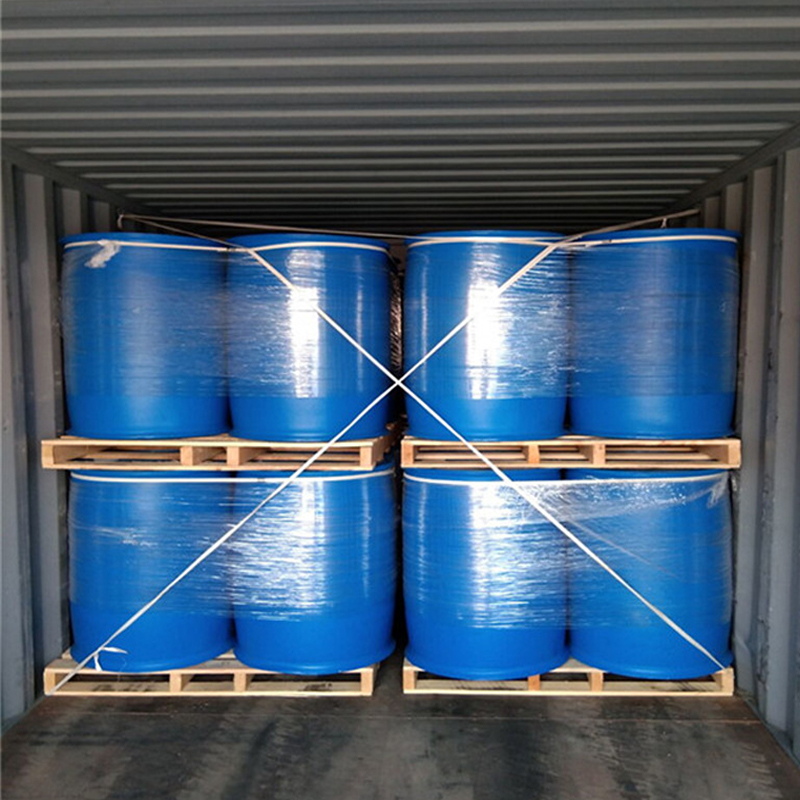
Diethyl oxalate CAS#95-92-1
Excellent Solvent Compatibility – Diethyl oxalate is readily miscible with most common organic solvents, including ethanol, ether, and ethyl acetate, making it suitable for a wide range of chemical processing and formulation applications.
Versatile Industrial Intermediate – It is widely used as a solvent, dye intermediate, and key raw material in the synthesis of paints, pharmaceuticals, and other fine chemicals, offering broad industrial applicability.
Stable Chemical Properties – With good chemical stability under normal conditions, diethyl oxalate ensures reliable performance during storage, transportation, and manufacturing processes.
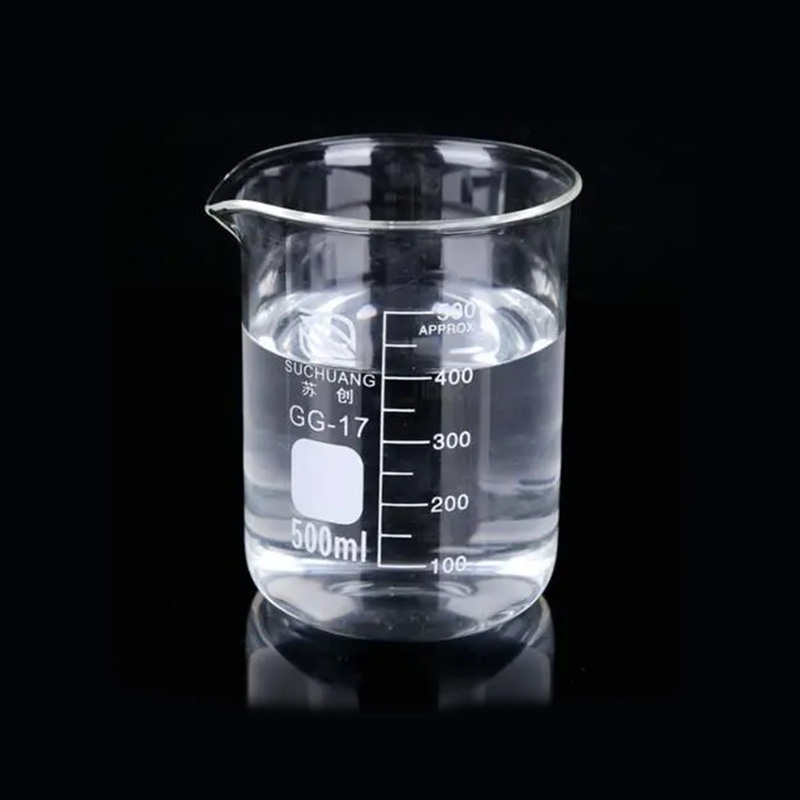
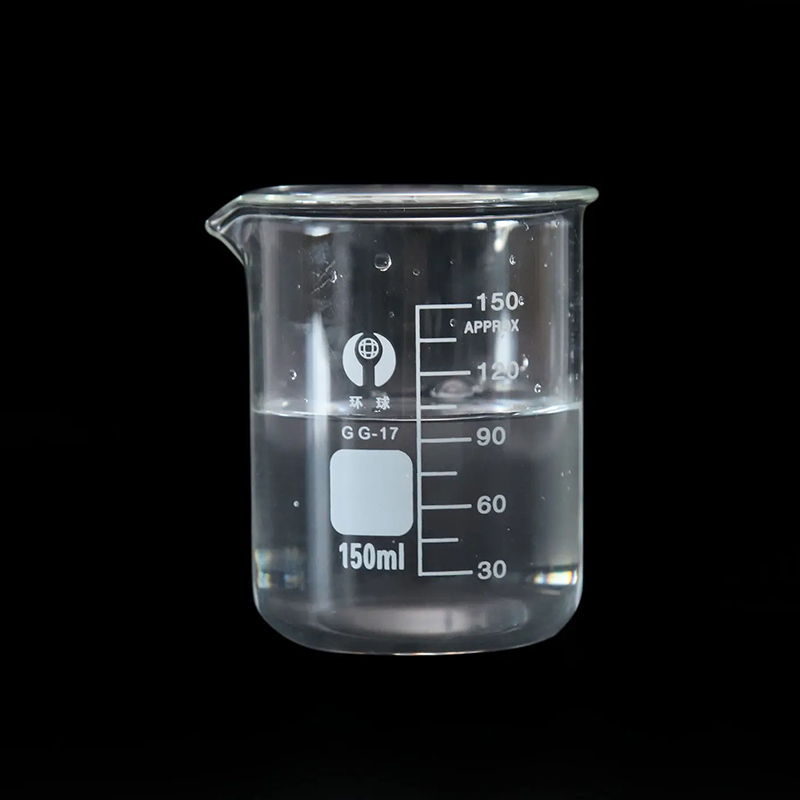
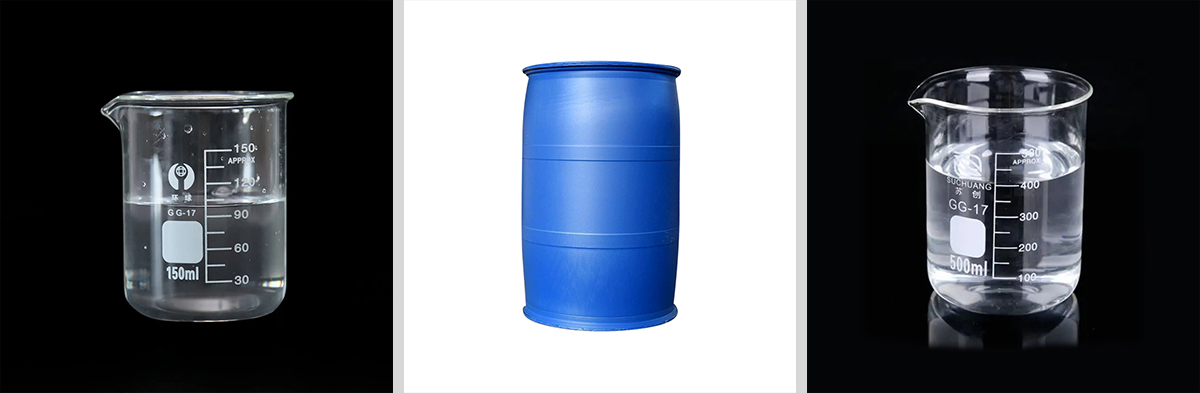
Easy Processing Characteristics – As a colorless, oily liquid with good fluidity, diethyl oxalate is convenient to handle, mix, and incorporate into various industrial production systems.
Products Description of Diethyl Oxalate (DEO)
Diethyl oxalate (DEO) is a colorless, oily liquid with a characteristic aromatic odor at room temperature. It is miscible with most common organic solvents, including ethanol, ether, and ethyl acetate, while being only slightly soluble in water. The product has a relative density of 1.08 (water = 1) and a relative vapor density of 5.04 (air = 1).
Diethyl oxalate exhibits good stability under normal conditions and is primarily used as a solvent, a dye intermediate, and a raw material in the synthesis of paints and pharmaceutical products. It is classified as a moderately toxic and flammable substance and should be handled with appropriate safety precautions.
| Melting point | -41 °C (lit.) |
| Boiling point | 185 °C (lit.) |
| Density | 1.076 g/mL at 25 °C (lit.) |
| Vapor density | 5.03 (vs air) |
| Vapor pressure | 1 mm Hg (47°C) |
| Refractive index | n20/D 1.410(lit.) |
| Flash point | 168 °F |
| Storage conditions | Store below +30°C. |
| Solubility | Miscible with common organic solvents such as alcohols and ethers. |
| Form | Liquid |
| Color | Transparent |
| Explosive limit | 0.42-2.67%(V) |
| Water solubility | MAY DECOMPOSE |
| Thermal conductivity | 0.153 W/(m-K) at 25 ℃ |
| Sensitivity | Moisture Sensitive |
| Merck | 143,125 |
| BRN | 606350 |
| Henry's Law Con stant | 4.5x10° mol/(m3Pa) at 25C, Duchowicz et al. (2020) |
| Dielectric constant | 8.2 (21℃) |
| Stability | Stable, but sensitive to moisture. Incompatible with strong oxidizing agents. |
| Cosmetic ingredient efficacy | Chlorinating agents Plasticizers Conditioners Fragrances Solvents |
| InChl | 1S/C6H1004/c1-3-9-5(7)6(8)10-4-2/h3-4H2,1-2H3 |
| InChIKey | WYACBZDAHNBPPB-UHFFFAOYSA-N |
| SMILES | CCOC(=O)C(=O)OCC |
| LogP | 0.56 |

Product Application of Diethyl Oxalate (DEO)
Diethyl oxalate is an important organic chemical raw material and an effective ethylating agent. It readily undergoes condensation reactions with fatty acid esters, amides, anilines, and a variety of heterocyclic compounds, making it a valuable intermediate in organic synthesis.
In the pharmaceutical industry, it serves as an intermediate for the production of drugs such as phenobarbital, carboxyphenyl penicillin, and thiabendazole. It is also used in the manufacture of plastic accelerators, textile auxiliaries, and additives for dye-sensitized batteries.
In addition, diethyl oxalate can react with corrosive carbonate matrices to form a unique oxalate surface layer, helping to inhibit further corrosion. It can directly replace oxalic acid in the wood pulp and paper industry and in the extraction of hemicellulose from plant fibers. Furthermore, it can serve as a safer alternative to highly toxic chloroacetic acid in the synthesis of ethylene malonate. Through hydrolysis and decarbonylation, it can also be converted into oxalic acid and diethyl carbonate, both of which are important industrial chemicals.