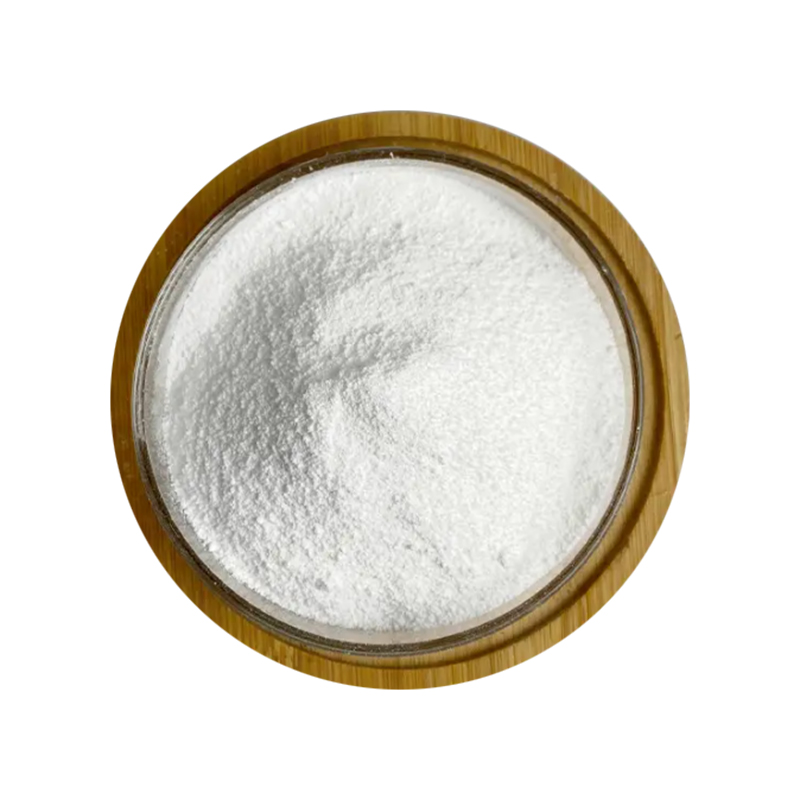


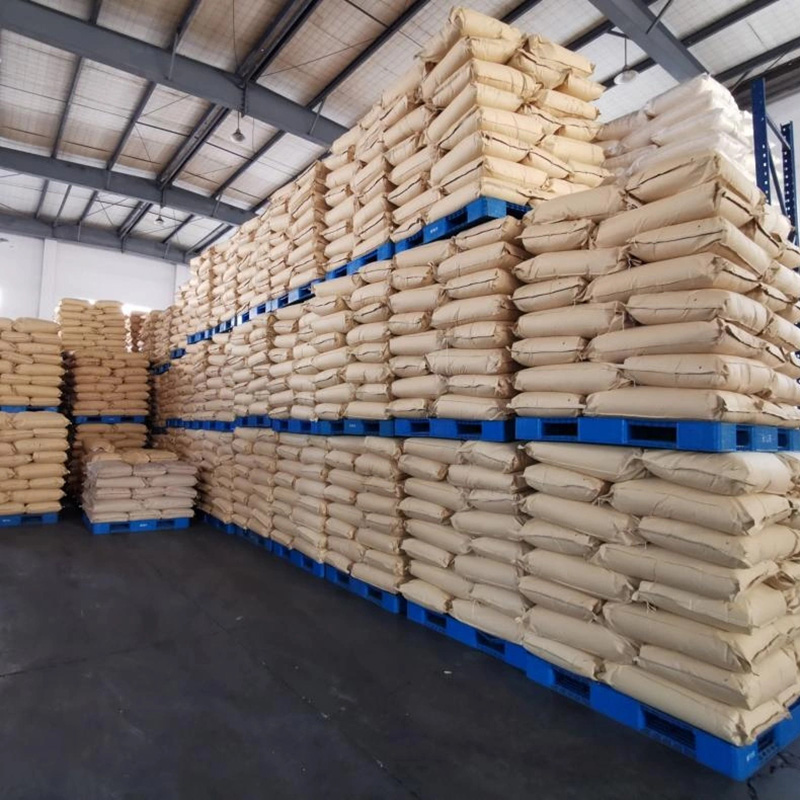
Imidazole CAS#288-32-4
Versatile Chemical Functionality: Imidazole can act both as a base and as a weak acid, providing valuable reactivity in a wide range of chemical processes.
Important Heterocyclic Structure: The compound contains a five-membered aromatic ring with two nitrogen atoms, making it a key building block in organic and pharmaceutical chemistry.
Naturally Relevant Molecular Framework: The imidazole ring is found in biologically important compounds such as histidine, histamine, and purines, highlighting its significance in life sciences.
Widely Used in Pharmaceutical Applications: Imidazole serves as an important structural component in numerous pharmaceutical compounds and chemical synthesis applications.
Imidazole CAS#288-32-4
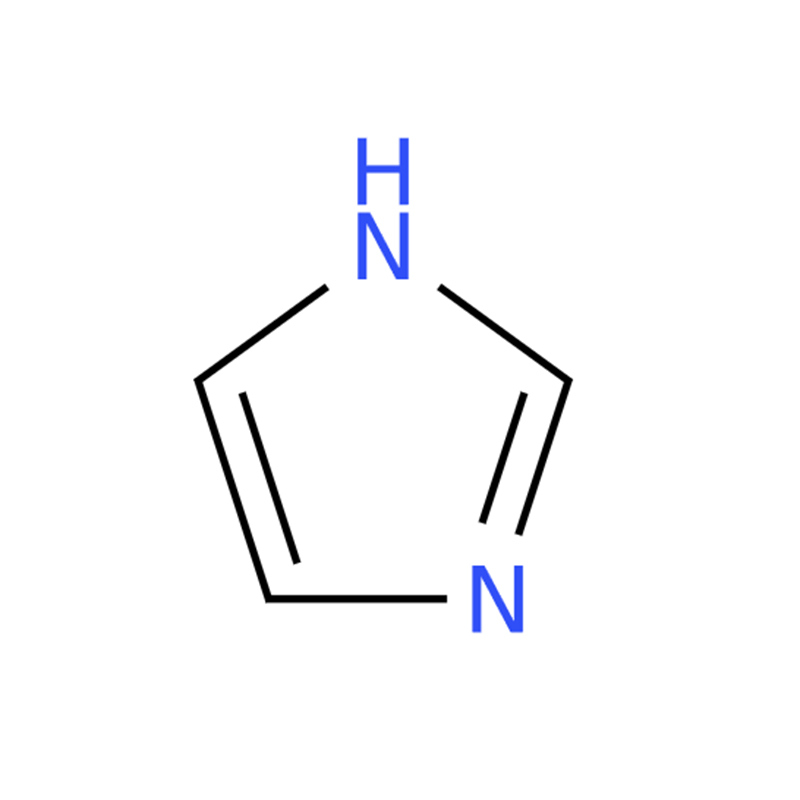
Imidazole is a heterocyclic aromatic organic compound characterized by a five-membered ring containing two non-adjacent nitrogen atoms, with a carbon atom positioned between them. It is the commonly accepted name for 1,3-azole and was previously known as glyoxaline or iminazole.
This important aromatic ring system is found in naturally occurring compounds such as histidine, histamine, and purines, as well as in numerous pharmaceutical substances. Imidazole exhibits both basic and weakly acidic properties and exists in two tautomeric forms, in which the hydrogen atom can be located on either of the two nitrogen atoms within the ring structure.
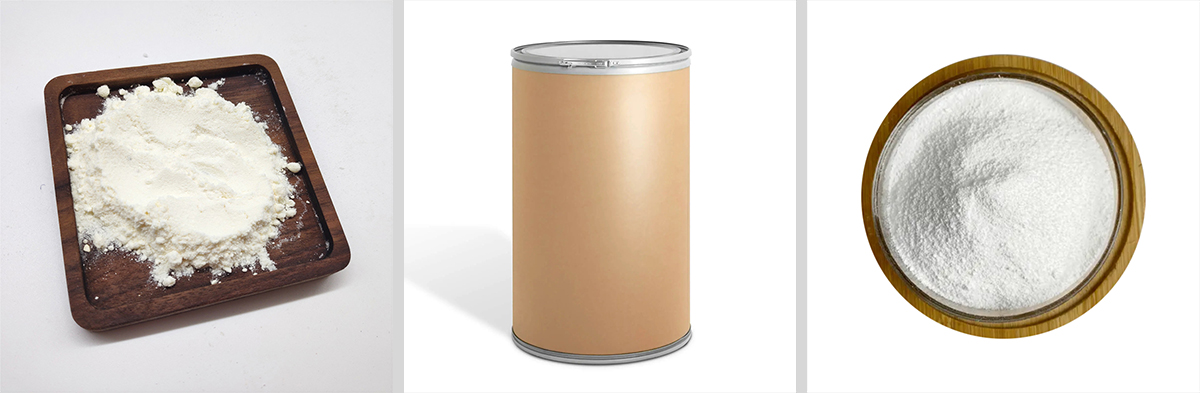
Imidazole Chemical Properties
| Melting point | 88-91 °C(lit.) |
| Boiling point | 256 °C(lit.) |
| bulk density | 500-600kg/m3 |
| density | 1.01 g/mL at 20 °C |
| vapor pressure | <1 mm Hg ( 20 °C) |
| refractive index | 1.4801 |
| Fp | 293 °F |
| storage temp. | Store below +30°C. |
| solubility | H2O: 0.1 M at 20 °C, clear, colorless |
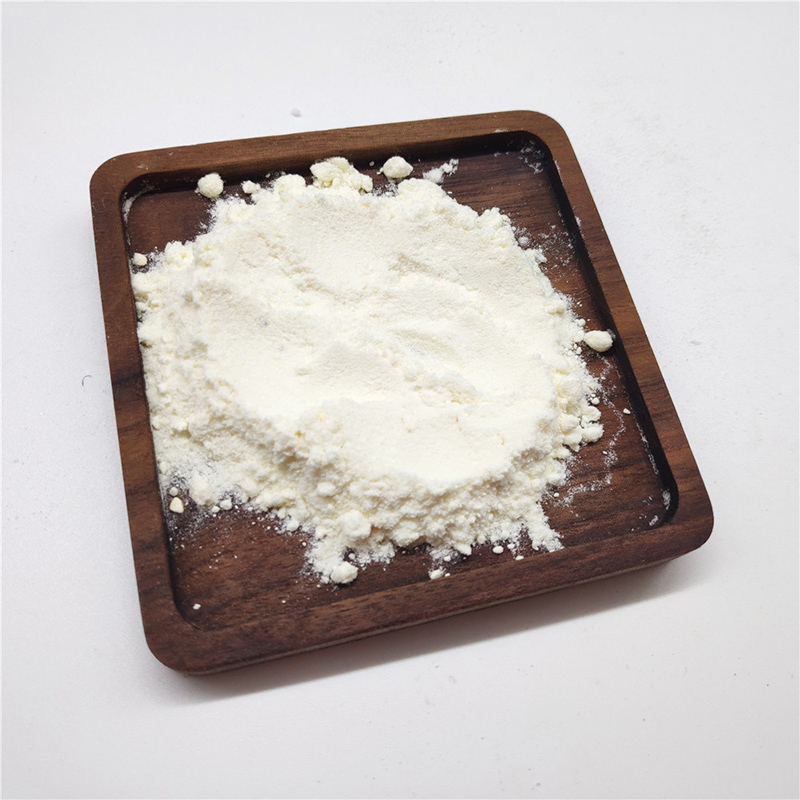
| form | crystalline |
| pka | 6.953(at 25℃) |
| Specific Gravity | 1.03 |
| color | white |
| Odor | Amine like |
| PH | 9.5-11.0 (25℃, 50mg/mL in H2O) |
| PH Range | 9.5 - 11 |
| Water Solubility | 633 g/L (20 ºC) |
| λmax | λ: 260 nm Amax: 0.10 |
| λ: 280 nm Amax: 0.10 | |
| Sensitive | Hygroscopic |
| Merck | 144912 |
| BRN | 103853 |
| Dielectric constant | 23.0(Ambient) |
| Stability: | Stable. Incompatible with acids, strong oxidizing agents. Protect from moisture. |
| Cosmetics Ingredients Functions | BUFFERING |
| InChI | 1S/C3H4N2/c1-2-5-3-4-1/h1-3H,(H,4,5) |
| InChIKey | RAXXELZNTBOGNW-UHFFFAOYSA-N |
| SMILES | c1c[nH]cn1 |
| LogP | -0.02 at 25℃ |
| CAS DataBase Reference | 288-32-4(CAS DataBase Reference) |
| NIST Chemistry Reference | 1H-Imidazole(288-32-4) |
| EPA Substance Registry System | Imidazole (288-32-4) |
Safety Information
| Hazard Codes | C,Xi,T |
| Risk Statements | 36/38-63-34-22-20/21/22-61 |
| Safety Statements | 26-36/37/39-45-22-36-27-53 |
| RIDADR | UN 2923 8/PG 3 |
| WGK Germany | 1 |
| RTECS | NI3325000 |
| Autoignition Temperature | 480 °C |
| TSCA | TSCA listed |
| HazardClass | 8 |
| PackingGroup | III |
| HS Code | 29332990 |
| Storage Class | 6.1C - Combustible acute toxic Cat.3 |
| toxic compounds or compounds which causing chronic effects | |
| Hazard Classifications | Acute Tox. 4 Oral |
| Eye Dam. 1 | |
| Repr. 1B | |
| Skin Corr. 1C | |
| Hazardous Substances Data | 288-32-4(Hazardous Substances Data) |
| Toxicity | LD50 in mice (mg/kg): 610 i.p.; 1880 orally (Nishie) |

Product Application of Imidazole CAS#288-32-4
Imidazole is a versatile heterocyclic compound widely used in the synthesis of various biologically active substances, including the amino acid histidine. It is also an important structural component in many antifungal drugs. In addition, imidazole is extensively employed as a corrosion inhibitor for transition metals such as copper.
The compound is commonly used in organic synthesis and has also been applied as an anti-radiation agent.
Imidazole has been utilized in:
Lysis, washing, and elution buffers for the purification of histidine-tagged Sonic Hedgehog (Shh-N) protein.
Stepwise-gradient elution buffers for the purification of histidine-tagged aldo-keto reductases using nickel affinity chromatography.
Homogenization buffers during the isolation and purification of phagosomal compartments from dendritic cells.
![1,5,7-Triazabicyclo[4.4.0]dec-5-ene CAS#5807-14-7](https://cdn.basfsd.com/cdn/ff/avMLtX2H2ggiZbUoOFuCuau_TYnb6EEZ-X6A0JCRCmk/1785327027/public/styles/chanpinzhanshitu_caijian/public/2026-07/%E6%9C%AA%E6%A0%87%E9%A2%98-1_1.jpg?itok=kLftPsg2)